Dynamic Webpages







 1/1
1/1



 1/3
1/3




 1/2
1/2


 1/3
1/3

 1/3
1/3





 1/3
1/3




 0
0






 1/3
1/3






 1/3
1/3





 1/3
1/3




 0
0




 1/3
1/3



 0
0




 1/3
1/3




 1/3
1/3

 CN
CN





 1/6
1/6




 1/3
1/3


 1/3
1/3




 1/3
1/3
 CN
CN



 1/4
1/4
About dynamic webpages
Where to Source Dynamic Webpages Development Services?
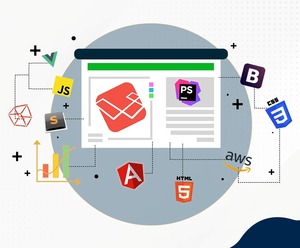
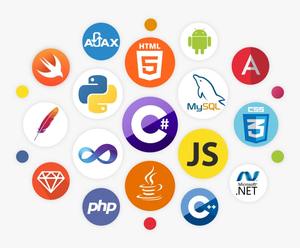
The global market for dynamic webpages development is decentralized, with specialized service providers distributed across technology hubs in Asia, Eastern Europe, and North America. Unlike physical goods, dynamic webpages are developed within digital ecosystems that emphasize software engineering expertise, agile workflows, and integration capabilities. Key regions such as India, Ukraine, and the United States host concentrated talent pools in full-stack development, particularly focused on JavaScript frameworks (React, Angular, Vue), server-side rendering (Node.js, PHP, Python), and API-driven architectures.
These regions offer competitive advantages through access to skilled developers—India alone produces over 1.5 million computer science graduates annually—while Ukraine maintains a high density of certified software engineers per capita. Providers in these markets leverage modular development practices and cloud-based testing environments to reduce deployment cycles. Buyers benefit from scalable engagement models, including fixed-price projects and dedicated team outsourcing, enabling cost efficiencies of 40–60% compared to in-house Western teams. Typical delivery timelines range from 4 to 12 weeks depending on complexity, with iterative testing phases ensuring functionality alignment.
How to Evaluate Dynamic Webpages Development Providers?
Adopt structured assessment criteria when selecting development partners:
Technical Compliance & Standards
Confirm adherence to W3C standards for HTML/CSS validation and accessibility (WCAG 2.1). For enterprise applications, require proof of secure coding practices (OWASP Top 10 compliance) and performance optimization techniques such as lazy loading, minification, and CDN integration. Verify use of version control systems (Git) and CI/CD pipelines to ensure code integrity and update traceability.
Development Capability Assessment
Evaluate technical infrastructure and human capital:
- Minimum team size of 5 full-stack developers with documented experience in RESTful or GraphQL APIs
- Proven track record in responsive design implementation across mobile-first and desktop environments
- In-house QA processes including cross-browser testing and load simulation
Cross-reference project portfolios with client testimonials to validate delivery consistency and technical depth.
Project Management & Transaction Safeguards
Require agile project tracking via tools like Jira or Trello with biweekly sprint reviews. Implement milestone-based payments tied to deliverables (e.g., wireframe approval, backend integration, UAT sign-off). Prioritize providers who offer post-launch support windows (minimum 30 days) and documentation packages including source code, database schema, and admin guides.
What Are the Leading Dynamic Webpages Development Firms?
No verified supplier data is currently available for dynamic webpages development providers. This reflects the intangible nature of digital services and the absence of standardized public metrics comparable to manufacturing outputs. Procurement decisions must rely on direct technical evaluations, portfolio analysis, and third-party validation through client references or independent audits.
Performance Analysis
In the absence of quantifiable supplier listings, buyer due diligence becomes critical. Focus on firms demonstrating transparent workflows, documented quality assurance protocols, and verifiable case studies in your industry vertical. Prioritize agencies with formal software development life cycle (SDLC) frameworks and certifications such as ISO/IEC 27001 for information security management. For complex implementations involving real-time data rendering or e-commerce integrations, conduct technical interviews with assigned developers to assess competency in state management, authentication flows, and database optimization.
FAQs
How to verify dynamic webpages development provider reliability?
Request detailed project references and conduct live demonstrations of past work. Validate claims through GitHub repository access or code review sessions. Assess responsiveness, problem-solving approach, and adherence to deadlines during initial prototyping phases before full commitment.
What is the average project timeline for dynamic webpage development?
Standard implementations require 4–8 weeks, including discovery, design, development, and testing. Complex systems with user authentication, content management, or third-party integrations (payment gateways, CRM sync) typically take 8–12 weeks. Expect additional time for custom animations or SEO-optimized server-side rendering setups.
Can developers integrate dynamic webpages with existing systems?
Yes, experienced providers support integration with legacy databases, ERP platforms, and marketing automation tools via API connectors. Confirm compatibility with your tech stack (e.g., .NET, Laravel, Django) and data exchange formats (JSON, XML) during scoping. Use sandbox environments for pre-deployment validation.
Do agencies provide free prototypes or demos?
Sample policies vary. Some vendors offer low-fidelity wireframes at no cost to demonstrate understanding of requirements. High-fidelity interactive prototypes are typically billable but may be credited toward total project cost upon contract signing.
How to initiate customization requests?
Submit functional specifications outlining user roles, data inputs, interaction logic, and expected outputs. Include design assets (Figma, Adobe XD files) and performance benchmarks (load time under 2 seconds, 90+ Lighthouse score). Reputable firms respond with technical architecture proposals and estimated effort within 5–7 business days.





