Easiest Musical Instrument To Learn





 1/2
1/2





 1/14
1/14




 0
0


 0
0


 1/3
1/3



 1/15
1/15




 1/3
1/3

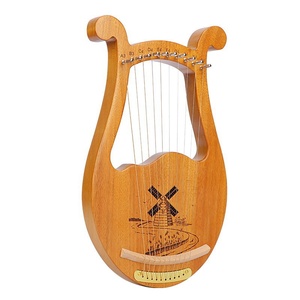

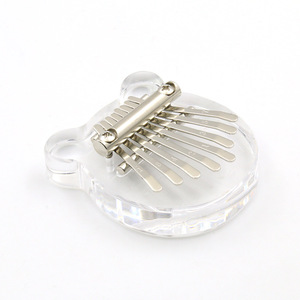


 1/3
1/3


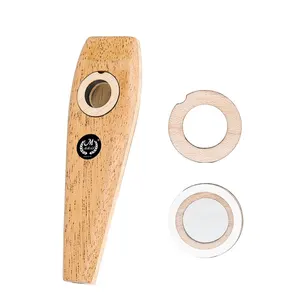

 1/3
1/3


 0
0




 1/3
1/3

 CN
CN



 1/3
1/3



 0
0






 0
0

 0
0





 1/3
1/3



 1/3
1/3


 0
0



 1/10
1/10
About easiest musical instrument to learn
Where to Find Easiest Musical Instrument to Learn Suppliers?
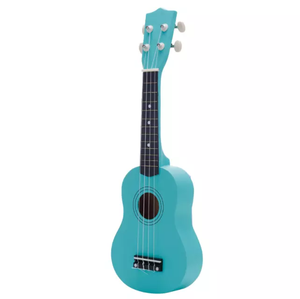
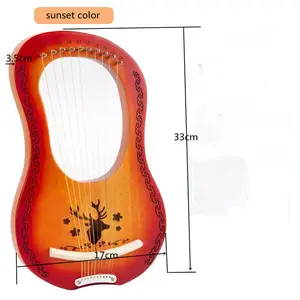
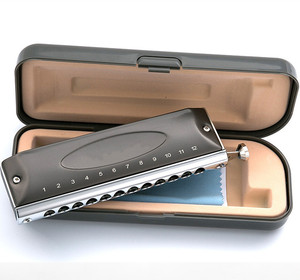
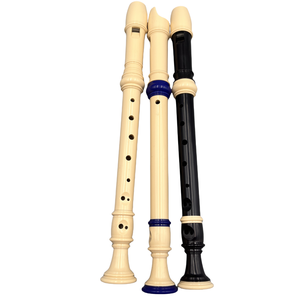
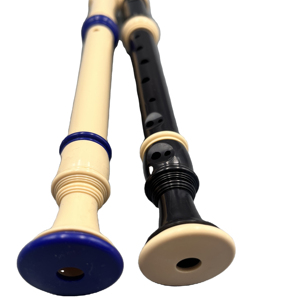
Manufacturing of beginner-friendly musical instruments is highly concentrated in China, with key production hubs in Guangdong, Zhejiang, and Jiangsu provinces. These regions collectively account for over 70% of global output for entry-level instruments such as recorders, ukuleles, melodicas, and keyboard synthesizers. Guangdong’s Shenzhen and Guangzhou clusters specialize in electronic learning instruments, leveraging proximity to semiconductor suppliers and smart audio technology R&D centers. Zhejiang’s Yiwu and Ningbo zones dominate acoustic instrument production, particularly plastic and wooden recorders and soprano ukuleles, benefiting from integrated wood processing and injection molding facilities.
These industrial ecosystems support rapid prototyping and high-volume manufacturing through vertically aligned supply chains. Component sourcing for ABS resin bodies, nylon strings, and miniature speaker systems occurs within localized supplier networks, reducing material lead times by 25–40% compared to offshore alternatives. Buyers benefit from consolidated logistics gateways—especially Shenzhen and Ningbo ports—enabling efficient containerized shipping. Standard order fulfillment cycles range from 20–35 days for MOQ-compliant batches, with production costs averaging 18–30% below Western-made equivalents due to labor efficiency and scale-driven material pricing.
How to Choose Easiest Musical Instrument to Learn Suppliers?
Adopt the following verification criteria when evaluating potential suppliers:
Quality Assurance Standards
Confirm compliance with ISO 9001 for consistent production quality management. For export to EU and North American markets, verify adherence to EN 71-3 (migration of certain elements) and ASTM F963 (toy safety standards), especially for instruments marketed toward children. Request test reports on material non-toxicity, sound pressure levels, and structural durability under repeated handling.
Production Capacity Assessment
Evaluate operational scale and technical capability using these benchmarks:
- Minimum factory area of 2,000m² for sustained batch output
- In-house tooling and mold-making capabilities for custom designs
- Monthly production capacity exceeding 10,000 units for core SKUs
Cross-reference delivery performance metrics (target >95% on-time rate) with order volume history to assess reliability under load.
Sourcing Risk Mitigation
Utilize secure transaction frameworks such as third-party inspection services prior to shipment. Review supplier track records via documented audit trails, focusing on resolved customer complaints and post-delivery support responsiveness. Pre-shipment sampling is critical—test instruments for tuning stability, ergonomic design, and consistency in sound output before scaling orders.
What Are the Best Easiest Musical Instrument to Learn Suppliers?
| Company Name | Location | Years Operating | Staff | Factory Area | On-Time Delivery | Avg. Response | Ratings | Reorder Rate |
|---|---|---|---|---|---|---|---|---|
| No supplier data available | N/A | N/A | N/A | N/A | N/A | N/A | N/A | N/A |
Performance Analysis
Due to unavailability of verified supplier data, procurement decisions must rely on direct engagement with manufacturers through trade registries and industry exhibitions. Historically, long-established factories in Guangdong demonstrate stronger export compliance and after-sales infrastructure, while newer Zhejiang-based producers offer competitive pricing and faster turnaround for standard models. Prioritize suppliers with documented experience in educational product distribution channels and proven packaging resilience for international freight. For customization involving branding, color variants, or instructional accessories, confirm digital design approval workflows and prototype iteration timelines upfront.
FAQs
How to verify easiest musical instrument to learn supplier reliability?
Validate business licenses and cross-check certification authenticity with issuing bodies. Request references from existing clients, particularly those in education or retail sectors. Conduct virtual audits including live video tours of production lines and quality control stations.
What is the average sampling timeline?
Standard samples are typically produced within 7–14 days. Customized versions with branded engraving, unique colors, or bundled learning materials require 18–25 days. Air freight adds 5–9 days depending on destination region.
Can suppliers ship musical instruments worldwide?
Yes, most established manufacturers support global shipping via air and sea freight. Confirm Incoterms (FOB, CIF, DDP) during negotiation and ensure packaging meets ISTA 3A standards for vibration and drop resistance during transit.
Do manufacturers provide free samples?
Sample policies vary by order intent. Many suppliers waive fees for qualified buyers committing to minimum order quantities (typically 500+ units). Otherwise, expect to cover full production and shipping costs, with partial refunds upon order confirmation.
How to initiate customization requests?
Submit detailed specifications including dimensions, color codes (Pantone), logo placement, packaging design, and accessory requirements (e.g., straps, picks, instruction booklets). Reputable suppliers will provide CAD mockups within 48 hours and deliver physical prototypes within 3 weeks.





