







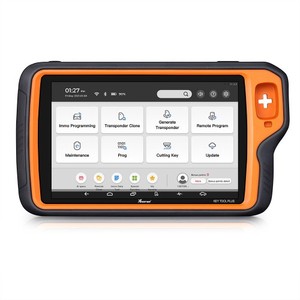
Ecu Programmer Software Wholesaler






 1/1
1/1



 1/3
1/3



 0
0


 0
0


 1/3
1/3



 1/3
1/3





 1/4
1/4


 0
0


 0
0


 1/1
1/1

 1/1
1/1




 1/3
1/3


 1/3
1/3


 0
0





 1/3
1/3


 1/3
1/3


 1/3
1/3



 1/3
1/3

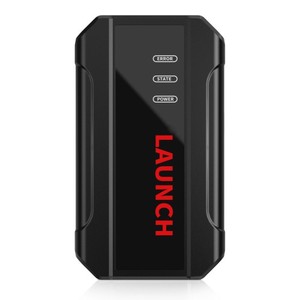
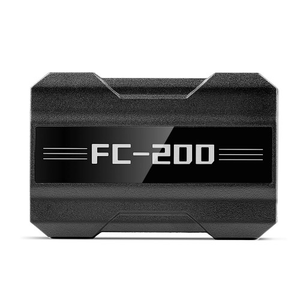
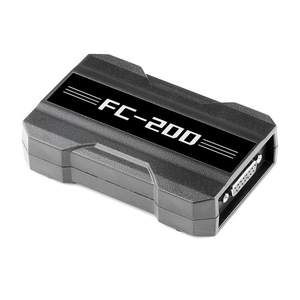
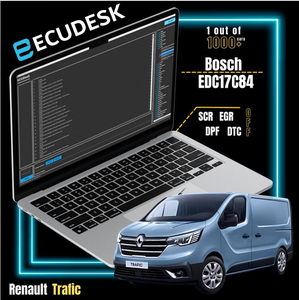

 1/3
1/3
About ecu programmer software wholesaler
Where to Find ECU Programmer Software Wholesalers?
China remains the central hub for automotive diagnostic and programming technology manufacturing, with key supplier clusters emerging in Guangdong and Jiangsu provinces. Guangdong, particularly around Shenzhen and Guangzhou, hosts a dense ecosystem of electronics and software integration specialists, leveraging proximity to semiconductor suppliers and R&D centers. This region supports rapid iteration of firmware-based tools, enabling wholesalers to deliver updated ECU programmer software versions within 7–14 days of release cycles.
Jiangsu’s industrial zones, including Suzhou and Wuxi, focus on hybrid hardware-software solutions, integrating flash programmers, OBD2 interfaces, and cloud-based licensing systems. These clusters benefit from established partnerships with domestic automotive component manufacturers, reducing time-to-market by up to 30% compared to independent developers. The concentration of technical talent—particularly in embedded systems engineering—allows wholesalers to offer scalable distribution models with localized language support and vehicle make-specific tuning packages.
How to Choose ECU Programmer Software Wholesalers?
Procurement decisions should be guided by structured evaluation criteria to ensure product integrity, compliance, and long-term supply stability.
Technical Compliance & Licensing Integrity
Verify that software complies with international cybersecurity standards (e.g., ISO/IEC 27001) and does not infringe on OEM intellectual property. Legitimate wholesalers provide documented proof of legal licensing agreements or white-label development rights. Avoid vendors offering unrestricted cloning or bypass modules, as these may pose legal risks in regulated markets such as the EU and North America.
Software Update Frequency & Vehicle Coverage
Assess the breadth and depth of supported vehicle makes and models. Leading wholesalers maintain databases covering over 80 global brands, including Asian, European, and American platforms, with monthly updates for new ECU variants. Confirm access to changelogs, version control systems, and patch deployment mechanisms. Minimum acceptable update cycles are bi-weekly for high-volume vehicle lines.
Production and Distribution Capability
Evaluate operational scale through measurable indicators:
- Minimum monthly software license output exceeding 5,000 units
- In-house development team with ≥15 embedded systems or automotive software engineers
- Digital delivery infrastructure supporting encrypted downloads and hardware dongle provisioning
Cross-reference claimed capabilities with verifiable transaction records and customer deployment case studies.
Transaction Safeguards & After-Sales Support
Require contractual assurance of post-sale technical support, including remote troubleshooting and update continuity. Prioritize partners offering trial licenses or demo environments before bulk procurement. Use secure payment channels with milestone-based releases—especially for customized builds. Validate export experience via documented shipments to Tier-1 distributors in Europe, North America, or the Middle East.
What Are the Best ECU Programmer Software Wholesalers?
No verified supplier data is currently available for ECU programmer software wholesalers. Buyers must conduct direct due diligence when engaging potential partners, focusing on documentation transparency, software auditability, and legal compliance frameworks. Given the digital nature of the product, physical factory audits should extend to server infrastructure, code repositories, and cybersecurity protocols.
Performance Analysis
In absence of quantifiable supplier metrics, risk mitigation becomes paramount. Emphasis should be placed on vendors demonstrating consistent update cadence, comprehensive vehicle coverage logs, and adherence to regional regulatory requirements. Wholesalers offering modular licensing—such as feature-limited trials or region-locked activations—provide lower-risk entry points for initial procurement. For high-volume buyers, negotiate SLAs guaranteeing minimum uptime for update servers and defined response windows for bug resolution.
FAQs
How to verify ECU programmer software wholesaler reliability?
Request evidence of software authenticity, including digital signing certificates, version hashes, and third-party security assessments. Conduct test deployments using non-critical hardware to evaluate stability and rollback procedures. Validate business credentials through official registration databases and cross-check export records if available.
What is the average lead time for bulk software licensing?
Digital delivery enables near-instantaneous fulfillment—typically within 24 hours after payment clearance. Lead times may extend to 5–7 days if hardware components (e.g., USB dongles or preloaded SD cards) are included. Custom-branded interfaces or private-label packaging require 10–15 days for finalization.
Can wholesalers customize ECU programmer software?
Yes, most established providers support customization including UI rebranding, selective feature enablement, and integration with proprietary diagnostic platforms. Minimum order thresholds typically apply—usually 1,000+ licenses—for full white-label configurations. Development timelines range from 3 to 6 weeks depending on complexity.
Do suppliers offer free trial licenses?
Trial availability varies. Many wholesalers provide time-limited (7–14 day) or function-restricted demo versions at no cost to facilitate evaluation. Full-function trials may require deposit reimbursement upon purchase confirmation. Trial abuse monitoring is common, with IP and device fingerprint tracking enforced.
How to assess software compatibility with existing diagnostic tools?
Request API documentation or SDK access for integration testing. Confirm protocol support for UDS, KWP2000, and manufacturer-specific modes. Test interoperability with common hardware interfaces such as STN21xx, ELM327 clones, or J2534 pass-thru devices. Reputable suppliers publish detailed system requirements and known conflict reports.





