Empty Ibc Container








 1/24
1/24





























 1/27
1/27




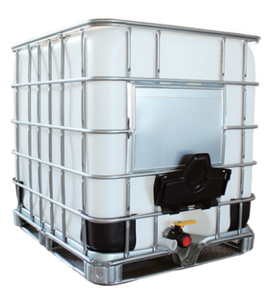
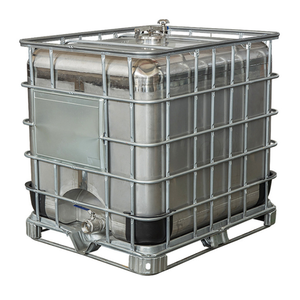








 1/7
1/7


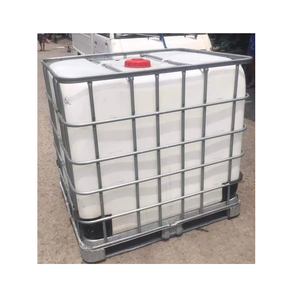
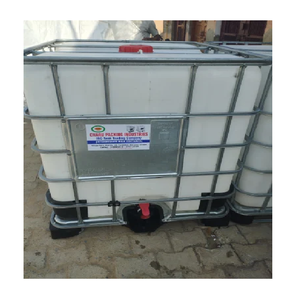





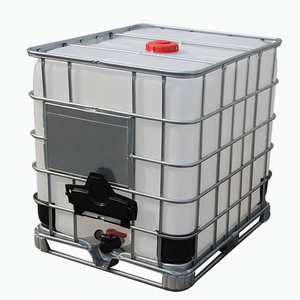
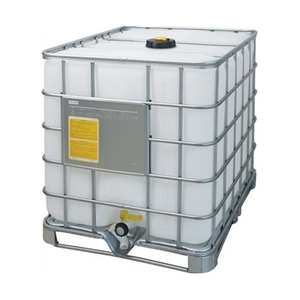
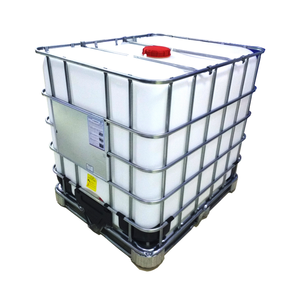
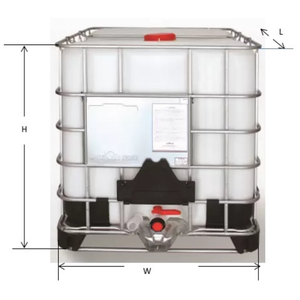
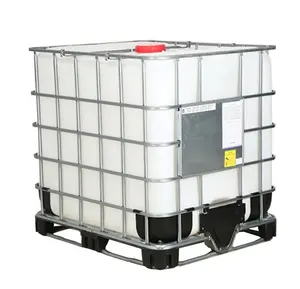
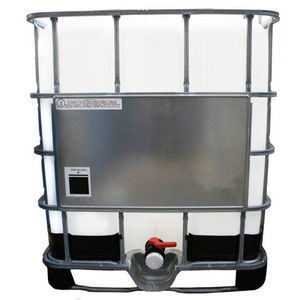
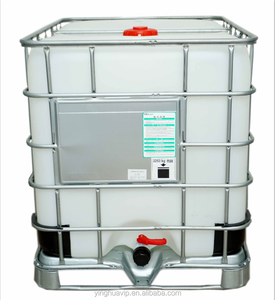
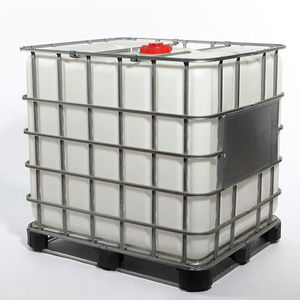
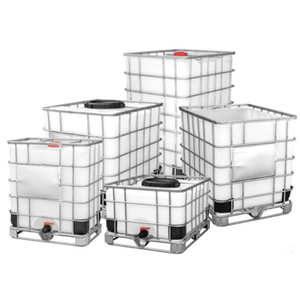
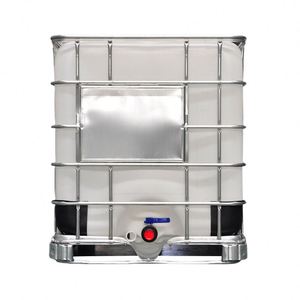
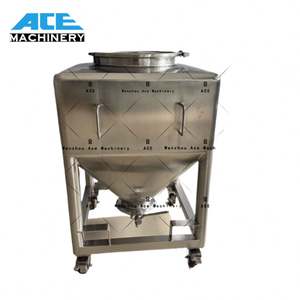
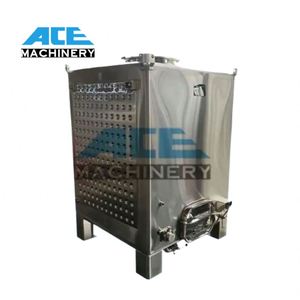
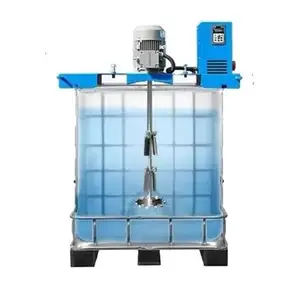
About empty ibc container
Where to Find Empty IBC Container Suppliers?
Global production of empty IBC (Intermediate Bulk Container) tanks is concentrated in specialized industrial hubs across China and Europe, where integrated manufacturing ecosystems support high-volume output and material-specific customization. Key Chinese clusters in Hebei, Shandong, and Jiangsu provinces leverage established polymer processing infrastructure and stainless steel fabrication capabilities, enabling cost-efficient production of both plastic and metal variants. These regions benefit from proximity to raw material suppliers—particularly HDPE resin and 304/316L stainless steel—and well-developed logistics networks that facilitate export-oriented operations.
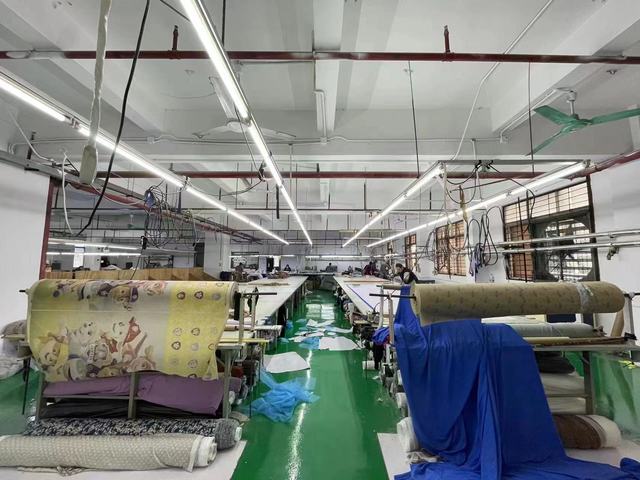
Suppliers in these zones typically operate vertically integrated facilities capable of injection molding, blow molding, frame welding, and final assembly under one roof. This integration reduces component lead times and supports rapid order fulfillment, with standard delivery windows ranging from 15–30 days for in-stock models. Buyers gain access to diverse material options—including food-grade polyethylene, chemical-resistant composites, and corrosion-proof stainless steel—produced using precision tooling and automated quality checks. Economies of scale further drive competitive pricing, particularly for 1000L configurations, which dominate global demand.
How to Choose Empty IBC Container Suppliers?
Selecting reliable partners requires a structured evaluation of technical capability, compliance, and transaction reliability:
Material & Design Compliance
Verify that containers meet relevant regulatory standards based on intended use. Food-grade units must comply with FDA 21 CFR or EU 10/2011 regulations, while chemical storage models should adhere to UN/DOT certification for hazardous materials transport. For stainless steel variants, confirm use of minimum Grade 304 or 316L material with proper surface passivation and weld integrity testing.
Production Capacity Assessment
Evaluate supplier infrastructure through the following indicators:
- Monthly output capacity exceeding 1,000 units for plastic IBCs or 200+ for stainless steel models
- In-house molding and metalworking capabilities (e.g., blow molding machines, CNC cutters, TIG welding stations)
- Dedicated quality control protocols, including hydrostatic pressure testing and drop tests for new units
Cross-reference facility claims with verifiable performance metrics such as on-time delivery rates (>97%) and reorder frequency.
Procurement Safeguards
Prioritize suppliers offering third-party inspection services and secure payment terms. Request batch-specific test reports and conduct pre-shipment audits when ordering at scale. For customized orders, require design validation via CAD drawings or physical prototypes before mass production. Confirm packaging and palletization methods suitable for containerized shipping to prevent transit damage.
What Are the Best Empty IBC Container Suppliers?
| Company Name | Main Material | Price Range (USD) | Min. Order Quantity | On-Time Delivery | Avg. Response | Reorder Rate | Customization Options |
|---|---|---|---|---|---|---|---|
| Hebei Xuejie Biotechnology Co., Ltd. | Plastic, Stainless Steel | $91–480 | 5–10 pieces | 100% | ≤3h | <15% | Color, size, logo, packaging, labeling |
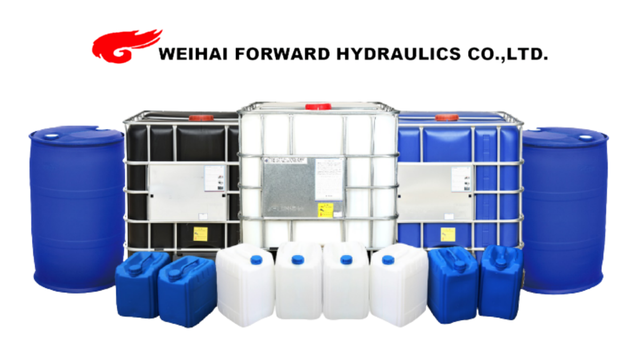
| Weihai Forward Hydraulics Co., Ltd. | Plastic (Food Grade) | $77–120 | 1–20 pieces | 100% | ≤2h | 25% | Limited (standard models) |
| Wuxi Derksen Packing Technology Co., Ltd. | Plastic, Stainless Steel | $77–700 | 10–30 pieces | 100% | ≤1h | <15% | Medium (custom sizes, liquid type) |
| Mayermoover Srl | Stainless Steel | $209–941 | 1 piece | Not available | ≤4h | Not available | High (ADR-certified, loading configurations) |
| EURL CARYS TRADE | Plastic (Low-Cost HDPE) | $15–30 | 1–5 pieces | Not available | ≤4h | Not available | None reported |
Performance Analysis
Hebei Xuejie and Weihai Forward stand out for consistent on-time delivery and responsiveness, making them strong candidates for time-sensitive procurement. Wuxi Derksen offers the fastest average response time (≤1 hour) and maintains full delivery performance, ideal for buyers requiring agile communication. While EURL CARYS TRADE presents the lowest price point ($15–30), the absence of verified performance data increases supply chain risk. Mayermoover Srl specializes in premium stainless steel and ADR-compliant units, catering to niche industrial applications despite limited transaction transparency. Plastic IBCs dominate the market with prices between $77–125 for 1000L food-grade models, whereas stainless steel versions range from $280–$940 depending on capacity and finish.
FAQs
What are the common materials used in empty IBC containers?
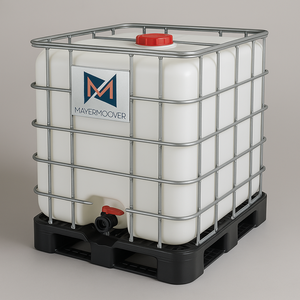
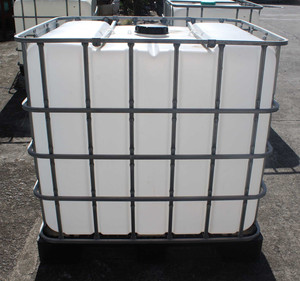
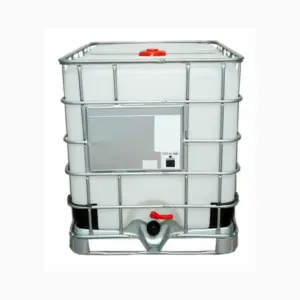
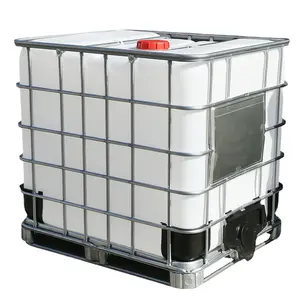
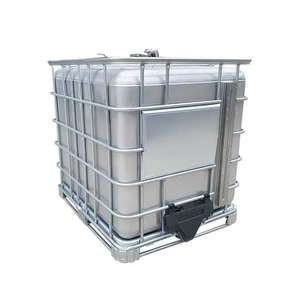
The most widely used materials are high-density polyethylene (HDPE) for the inner tank, supported by a galvanized steel cage. Stainless steel (Grade 304 or 316L) is preferred for high-purity, corrosive, or high-temperature applications. Liners may be added for compatibility with aggressive chemicals.
What is the typical lead time for empty IBC container orders?
Standard orders from Chinese manufacturers typically ship within 15–30 days after deposit confirmation. In-stock items may be dispatched within 7 days. Custom designs or stainless steel models can extend lead times to 35–45 days due to additional machining and testing requirements.
Can suppliers provide custom branding and specifications?
Yes, many suppliers offer OEM services including color variation, volume customization (500L, 1000L, 1200L), logo printing, label design, and packaging adjustments. Advanced modifications such as UV stabilization, anti-static additives, or specific valve configurations require engineering review and may affect MOQs.
What are the typical MOQs for empty IBC containers?
MOQs vary significantly: plastic models often require 5–20 pieces, while stainless steel units may have lower thresholds (1–6 pieces) due to higher unit value. Some suppliers offer single-piece sampling at elevated prices. Bulk discounts generally apply at 50+ units.
How are empty IBC containers tested for quality?
Reputable manufacturers conduct hydrostatic pressure testing (typically 2–3 bar), drop tests (from 1.2m height), and visual weld inspections. Food-grade models undergo extractables testing, while UN-certified containers must pass rigorous stacking, leakage, and impact evaluations per ISO 1817 and UN ST/SG/AC.1 standards.





