Empty Toolbox Producer











 1/9
1/9







 1/13
1/13





 0
0
 0
0



 1/3
1/3


 1/18
1/18



 1/3
1/3


 1/3
1/3


 1/24
1/24







 1/3
1/3






 1/26
1/26

 CN
CN



 1/39
1/39


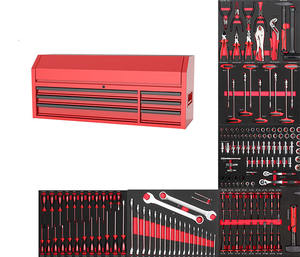
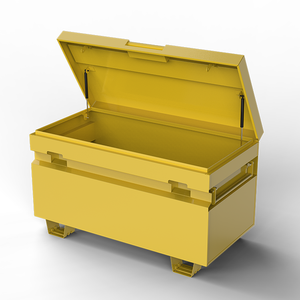

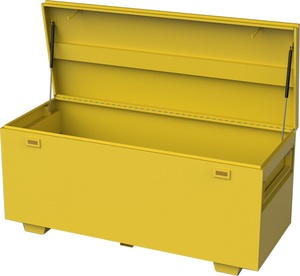 1/29
1/29


 1/22
1/22
About empty toolbox producer
Where to Find Empty Toolbox Producers?
China remains the global leader in manufacturing for industrial and consumer storage solutions, with key production clusters concentrated in Guangdong, Zhejiang, and Jiangsu provinces. These regions host integrated supply chains specializing in metal fabrication, plastic injection molding, and powder coating—core processes for empty toolbox production. Guangdong, particularly around Foshan and Dongguan, accounts for over 50% of China’s tool storage output, supported by advanced logistics networks that streamline export operations to North America, Europe, and Southeast Asia.
The industrial ecosystems in these zones feature vertically aligned manufacturing capabilities, enabling producers to manage raw material processing, stamping, welding, surface treatment, and assembly in-house. This integration reduces component lead times by up to 40% compared to fragmented supplier models. Buyers benefit from rapid prototyping (7–10 days), scalable batch production (MOQs as low as 100 units), and cost efficiencies driven by localized sourcing of cold-rolled steel, ABS plastic, and aluminum alloys. Average lead times for standard orders range from 25 to 35 days, with production costs 20–35% below Western counterparts due to optimized labor and energy inputs.
How to Choose Empty Toolbox Producers?
Implement structured evaluation criteria to ensure supplier reliability and product consistency:
Quality Management Systems
Confirm ISO 9001 certification as a baseline for process control. For markets requiring environmental compliance, verify RoHS or REACH declarations—particularly critical for plastic components and paint finishes. Request test reports for durability metrics such as drop resistance (per ISTA 3A), hinge cycle life (minimum 10,000 open/close cycles), and corrosion resistance (salt spray testing ≥48 hours).
Production Infrastructure Assessment
Evaluate operational scale and technical capability through the following indicators:
- Minimum factory area of 3,000m² to support automated stamping and assembly lines
- In-house tooling and mold-making capacity for custom designs
- CNC punching, bending, and robotic welding stations for precision metal forming
Validate throughput capacity: leading facilities achieve monthly outputs exceeding 50,000 units for standard models.
Procurement Safeguards
Utilize secure transaction methods such as third-party inspection services (e.g., SGS, BV) prior to shipment release. Require detailed workmanship samples before mass production to assess finish quality, weld integrity, and latch functionality. Review export history—proven suppliers maintain documented shipments to EU, US, and ANZAC markets with full customs documentation compliance.
What Are the Key Considerations When Sourcing Empty Toolboxes?
While no verified supplier data is currently available, procurement strategies should focus on flexibility, scalability, and risk mitigation:
Material & Design Options
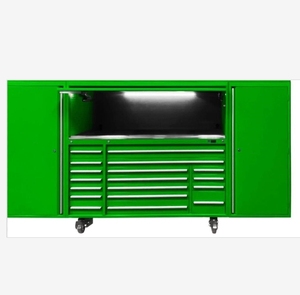
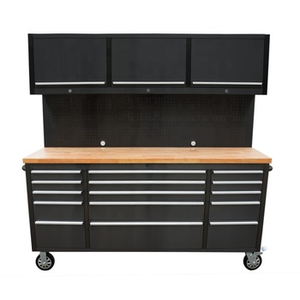
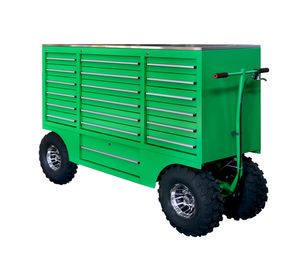
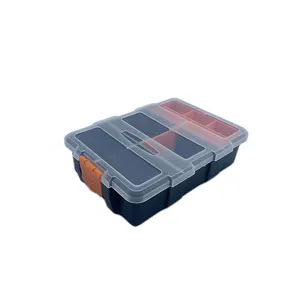
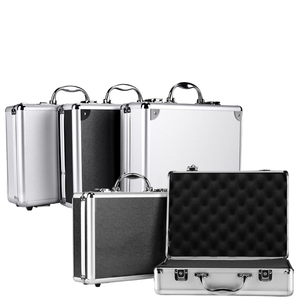
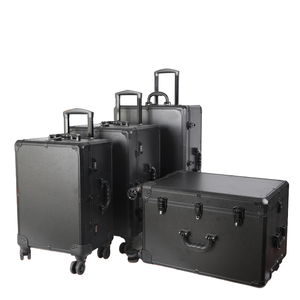
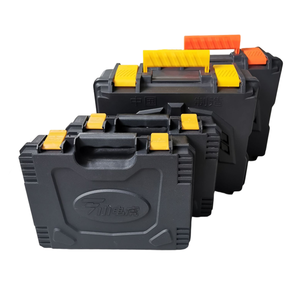
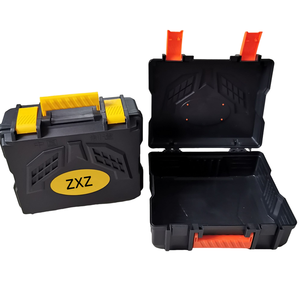
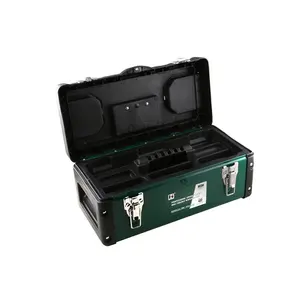
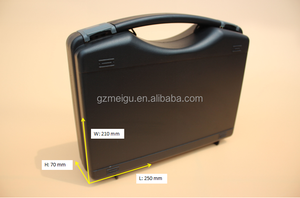
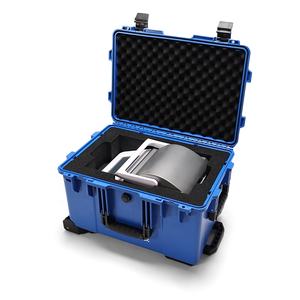
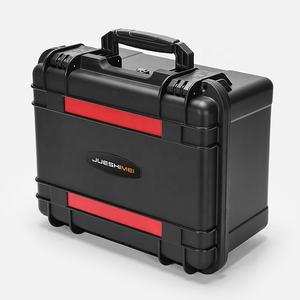
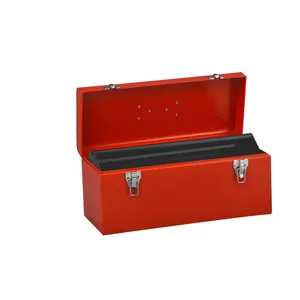
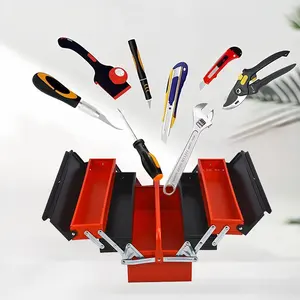
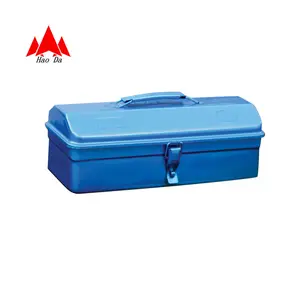
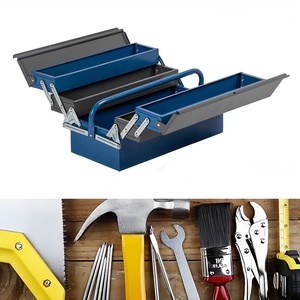
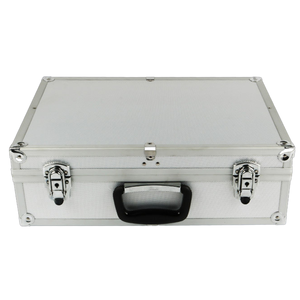
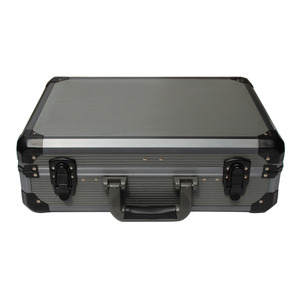
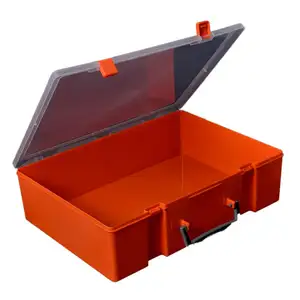
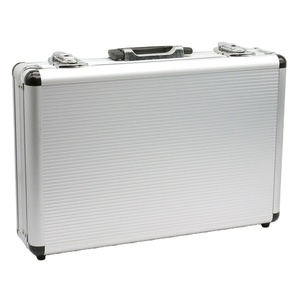
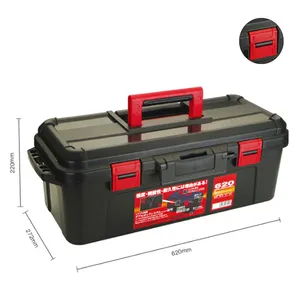
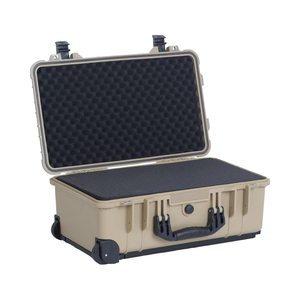
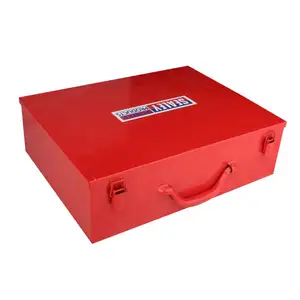
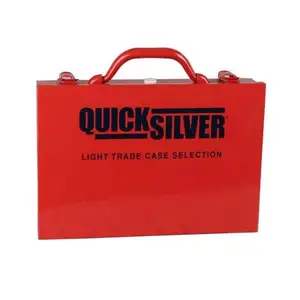
Most manufacturers offer three primary construction types: all-metal (steel with powder coat), hybrid (metal frame with plastic trays), and fully molded plastic (PP/ABS). Steel-based units typically use 0.6–1.2mm cold-rolled steel with anti-slip powder coating; plastic variants rely on high-impact injection-molded resins. Customization includes compartment layout, branding (debossed logos, screen printing), handle type, and locking mechanisms.
Order Parameters
Standard MOQs vary from 100 to 500 units depending on complexity and material. Bulk orders (≥5,000 units) unlock unit cost reductions of 15–25%. Lead times average 25–35 days post-approval of pre-production samples. Air freight options are viable for sample delivery (7–10 days globally), while sea freight remains optimal for container loads (FCL/LCL).
Custom Engineering Support
Reputable producers provide CAD support and DFM feedback within 48 hours of design submission. Prototype development takes 7–14 days, including material sourcing and functional testing. Suppliers with dedicated R&D teams (≥8% of workforce) are better equipped to support OEM projects requiring IP protection and exclusive tooling.
FAQs
How to verify an empty toolbox producer's credibility?
Request auditable references from existing clients in your target market. Conduct virtual or on-site factory audits to observe production flow, inventory management, and QC checkpoints. Validate certifications through issuing bodies and review historical order records via trade verification platforms.
What is the typical sampling timeline?
Standard sample production takes 7–10 days. Custom designs with unique molds or finishes require 12–18 days. Shipping via express courier adds 5–7 business days for international delivery.
Can empty toolbox producers handle global shipping?
Yes, experienced exporters manage end-to-end logistics under FOB, CIF, or DDP terms. Confirm Incoterms alignment and ensure the supplier has experience clearing customs in your destination country, especially for regulated materials like treated metals or coated surfaces.
Do manufacturers offer free samples?
Sample policies depend on order intent. Many waive fees for qualified buyers committing to minimum volumes (typically ≥500 units). Otherwise, expect to cover 50–100% of sample costs, which may be credited upon order confirmation.
How to initiate customization requests?
Submit detailed specifications including dimensions, load capacity, material preferences, color (RAL/Pantone), and functional requirements (e.g., modular dividers, ESD-safe variants). Leading producers respond with engineering drawings and 3D renderings within 72 hours and deliver physical prototypes in 2–3 weeks.





