Enterprise Resource Planning Systems Integration

 CN
CN





 1/4
1/4







 1/3
1/3



 1/3
1/3

 1/3
1/3
 CN
CN



 1/2
CN
1/2
CN
 1/3
1/3



 1/3
1/3
 CN
CN

 1/3
1/3


 0
0


 0
0



 1/3
1/3



 1/3
1/3






 1/3
1/3





 1/3
1/3





 1/3
1/3

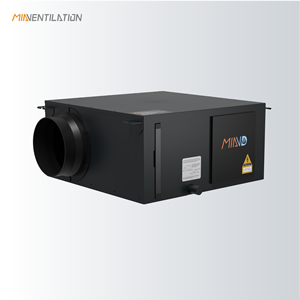
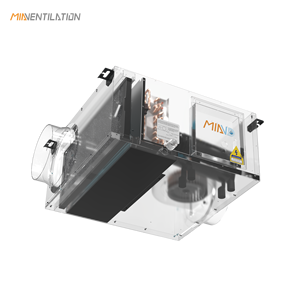
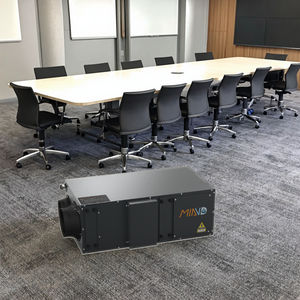
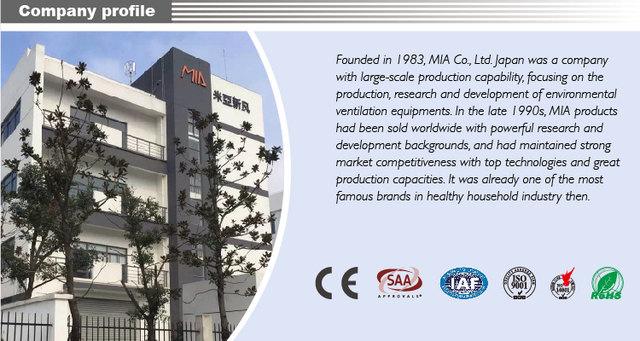 1/3
1/3


 1/33
CN
1/33
CN


 1/1
1/1


 0
0




 1/3
1/3
About enterprise resource planning systems integration
Where to Find Enterprise Resource Planning Systems Integration Suppliers?
The global market for enterprise resource planning (ERP) systems integration is characterized by a decentralized yet highly specialized supplier base, with leading service providers concentrated in technology hubs across North America, Western Europe, and East Asia. The United States and Germany serve as primary centers for high-complexity ERP integration projects, hosting over 70% of certified implementation partners for major platforms such as SAP, Oracle, and Microsoft Dynamics. India and the Philippines have emerged as key delivery centers for offshore integration support, offering cost-efficient technical teams fluent in multiple ERP ecosystems.
These regions benefit from mature IT infrastructure, deep talent pools in enterprise software architecture, and established compliance frameworks for data security and system interoperability. Buyers gain access to scalable project teams capable of managing end-to-end deployment, data migration, API development, and post-implementation support. Key advantages include reduced labor costs—up to 40% lower in offshore locations—while maintaining adherence to ISO/IEC 27001 and SOC 2 standards. Lead times for standard integrations typically range from 8 to 16 weeks, depending on module complexity and legacy system compatibility.
How to Choose Enterprise Resource Planning Systems Integration Suppliers?
Prioritize these verification protocols when selecting partners:
Technical Compliance
Require proof of certification from recognized ERP vendors (e.g., SAP Partner Edge, Oracle Specialization). For regulated industries, confirm alignment with GDPR, HIPAA, or SOX requirements where applicable. Validate experience with integration middleware such as MuleSoft, Dell Boomi, or Microsoft Azure Logic Apps through documented case studies.
Production Capability Audits
Evaluate organizational infrastructure:
- Minimum of 50 certified consultants with platform-specific credentials
- Dedicated project management office (PMO) following PMI or PRINCE2 methodologies
- In-house expertise in database normalization, ETL processes, and REST/SOAP API development
Cross-reference client references with project delivery timelines (target >95% on-schedule completion) to assess operational reliability.
Transaction Safeguards
Implement milestone-based payment structures tied to UAT sign-offs and go-live approvals. Review contractual SLAs covering system uptime, response times for issue resolution, and knowledge transfer protocols. Pilot testing remains critical—conduct a phased integration of non-core modules to evaluate data accuracy and performance before full rollout.
What Are the Best Enterprise Resource Planning Systems Integration Suppliers?
| Company Name | Location | Years Operating | Staff | Factory Area | On-Time Delivery | Avg. Response | Ratings | Reorder Rate |
|---|---|---|---|---|---|---|---|---|
| Supplier data not available | ||||||||
Performance Analysis
Due to absence of specific supplier data, general industry benchmarks apply. Established integrators with 10+ years of operation typically demonstrate higher project success rates, supported by structured methodologies and vendor partnerships. Reorder rates above 50% often indicate strong post-implementation support and client satisfaction. Prioritize firms reporting on-time delivery exceeding 95%, backed by documented quality management systems. For complex multi-system environments, verify direct engagement with ERP vendors and participation in official partner networks to ensure update compatibility and technical escalation paths.
FAQs
How to verify ERP systems integration supplier reliability?
Confirm active status in official ERP vendor partner directories. Request audit reports on change management procedures, data encryption practices, and disaster recovery plans. Analyze client testimonials focusing on scope adherence, budget control, and long-term system stability.
What is the average project timeline for ERP integration?
Standard implementations require 8–16 weeks. Large-scale deployments involving custom development, master data cleansing, and third-party system interfaces may extend to 6 months. Add 2–4 weeks for user training and parallel run validation.
Can suppliers integrate legacy systems with modern ERP platforms?
Yes, experienced providers offer legacy modernization services using ESBs (Enterprise Service Buses) and API gateways. Confirm prior experience with your specific legacy applications and databases during technical vetting.
Do integration suppliers provide post-go-live support?
Reputable suppliers include warranty periods (typically 30–90 days) and offer tiered support contracts thereafter. Ensure SLAs define incident response windows, root cause analysis timelines, and patch deployment frequency.
How to initiate customization requests?
Submit detailed functional specifications including required workflows, reporting structures, and integration points. Leading suppliers deliver solution design documents within 10 business days and provide sandbox environments for validation prior to development.





