Erp Software System
















 Top sponsor listing






 0
0



 1/3
1/3

 1/3
1/3






 1/3
1/3

 CN
CN
 1/3
CN
1/3
CN


 1/2
1/2





 1/3
1/3




 1/1
1/1




 1/3
1/3






 1/3
1/3
 CN
CN



 1/4
1/4


 0
0




 1/3
1/3
 CN
CN



 1/3
1/3


 0
0



 1/3
1/3




 1/27
1/27


 1/61
1/61
About erp software system
Where to Find ERP Software System Suppliers?
Global ERP software development is concentrated in technology hubs with strong IT infrastructure and skilled labor pools, particularly in China, India, and Eastern Europe. Chinese suppliers dominate mid-tier enterprise solutions, leveraging industrial clusters in Beijing, Shanghai, and Shenzhen that integrate software R&D with hardware compatibility testing for seamless deployment. These regions host over 70% of Asia-Pacific-based ERP developers, supported by government-backed tech zones offering tax incentives and access to cloud infrastructure partners.
These ecosystems enable rapid customization and modular development through co-located teams specializing in database architecture, UI/UX design, and integration protocols (e.g., API gateways, EDI). Buyers benefit from scalable delivery models—standard implementations typically deploy within 60–90 days—while hybrid on-premise/cloud configurations require an additional 20–30 days for system validation. Localization capabilities are a key advantage, with many vendors providing multi-language, multi-currency, and region-specific compliance modules (e.g., VAT reporting, GAAP/IFRS).
How to Choose ERP Software System Suppliers?
Prioritize these verification protocols when selecting partners:
Technical Compliance
Verify adherence to ISO/IEC 27001 for information security management as a baseline requirement. For regulated industries (finance, healthcare), confirm SOC 2 Type II or GDPR compliance where applicable. Demand documented testing procedures for data encryption, user authentication, and audit trail generation. Ensure the system supports standard integration frameworks such as RESTful APIs, OAuth 2.0, and SAML for third-party connectivity.
Development Capability Audits
Assess technical maturity through:
- Minimum 3-year track record in enterprise-grade ERP deployments
- Dedicated R&D teams comprising at least 40% of total staff
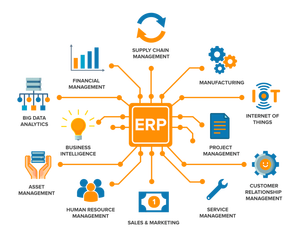
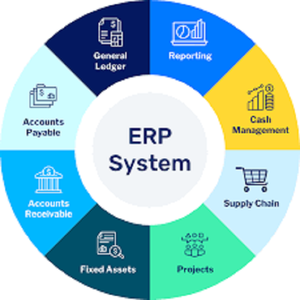
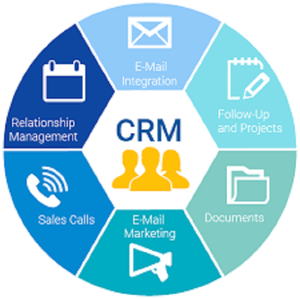
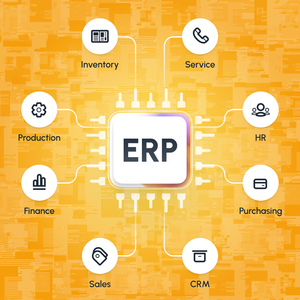
- In-house expertise in core modules: finance, inventory, HR, CRM, and supply chain
Validate project management methodology—Agile or Waterfall—with milestone tracking and UAT (User Acceptance Testing) protocols.
Transaction Safeguards
Implement phased payment structures tied to implementation milestones. Require source code escrow agreements for on-premise or hybrid deployments to ensure long-term maintainability. Evaluate vendor stability through contract history, client references, and post-launch support SLAs (target response time ≤4 hours for critical issues). Pilot testing is essential—benchmark system performance against 50+ concurrent users and real-time transaction processing before full rollout.
What Are the Best ERP Software System Suppliers?
| Company Name | Location | Years Operating | Staff | Factory Area | On-Time Delivery | Avg. Response | Ratings | Reorder Rate |
|---|
Performance Analysis
No verified suppliers are currently listed in the dataset. Buyers should proactively evaluate potential vendors using the assessment criteria outlined above, focusing on demonstrable deployment experience, certified development practices, and transparent support frameworks. Prioritize companies with published case studies in your industry vertical and proven scalability across SME to enterprise environments. Conduct technical due diligence via live demonstrations, sandbox environment access, and reference calls with existing clients.
FAQs
How to verify ERP software supplier reliability?
Cross-check certifications (ISO 27001, GDPR compliance) with issuing bodies. Request third-party audit reports covering development lifecycle, data handling policies, and incident response protocols. Analyze customer testimonials with emphasis on post-implementation support, upgrade frequency, and system uptime.
What is the average implementation timeline?
Standard cloud-based ERP deployments take 60–90 days from kickoff to go-live. On-premise installations extend to 120–150 days depending on integration complexity. Custom module development adds 30–45 days per major component (e.g., advanced analytics, manufacturing execution).
Can suppliers support global deployments?
Yes, established vendors offer multi-region hosting options via AWS, Azure, or private data centers. Confirm compliance with local data sovereignty laws and availability of regional support teams for training and troubleshooting. Cloud subscriptions typically include worldwide access under a single contract.
Do suppliers provide free trial or demo access?
Most vendors offer time-limited sandbox environments (14–30 days) at no cost. Full trial systems include sample datasets and role-based access simulation. Proof-of-concept engagements may require nominal setup fees, refundable upon contract signing.
How to initiate customization requests?
Submit detailed functional specifications including workflow diagrams, report templates, and integration endpoints. Reputable suppliers respond with technical feasibility assessments within 5 business days and deliver prototype builds in 2–3 weeks. Change orders must be formally documented to avoid scope creep.





