Exercise Range Of Motion






 1/3
1/3


 1/3
1/3





 1/22
1/22


 0
0



 1/3
1/3



 1/3
1/3


 0
0


 1/3
1/3


 1/3
1/3



 1/3
1/3


 1/3
1/3


 1/13
1/13


 1/3
1/3


 1/3
1/3



 1/3
1/3


 1/3
1/3



 1/21
1/21






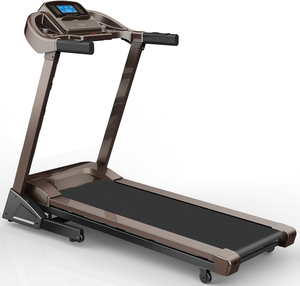


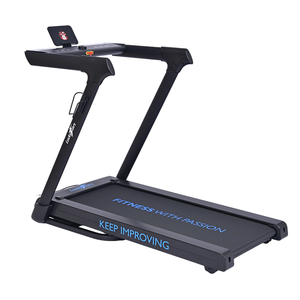
 1/11
1/11
About exercise range of motion
Where to Find Exercise Range of Motion Supplier Clusters?
Global manufacturing of exercise range of motion (ROM) devices is concentrated in China’s Jiangsu and Guangdong provinces, with emerging capabilities in Vietnam’s Dong Nai industrial zone. Jiangsu—particularly Suzhou and Changzhou—hosts over 70% of certified medical-grade ROM equipment suppliers, leveraging proximity to Tier-1 orthopedic component manufacturers and ISO 13485–compliant surface treatment facilities. Guangdong’s Shenzhen and Dongguan hubs specialize in consumer-facing, digitally enabled ROM tools (e.g., smart joint trackers and motorized goniometers), benefiting from integrated PCB assembly and Bluetooth 5.2 module supply chains that reduce electronics integration costs by 12–18% versus offshore sourcing.
These clusters operate within vertically aligned ecosystems: precision-machined aluminum and stainless-steel frames are sourced from local foundries; anodizing and medical-grade powder coating occur on-site or within 30km; and final assembly integrates third-party calibrated sensors verified against ASTM F2959-22 (standard for rehabilitation device accuracy). Buyers gain access to sub-45-day lead times for standard configurations, 25–35% lower landed unit costs compared to EU/US-based OEMs, and modular customization—such as adjustable resistance curves or dual-mode (manual/automated) actuation—without minimum order penalties.
How to Choose Exercise Range of Motion Suppliers?
Prioritize these verification protocols when selecting partners:
Clinical & Regulatory Compliance
Require ISO 13485:2016 certification as non-negotiable for medical-grade ROM devices. For U.S. distribution, FDA 510(k) clearance documentation must be validated through the FDA’s publicly searchable database. CE-marked devices intended for EU markets must demonstrate conformity with MDR 2017/745 Annex II technical documentation—and include test reports for electromagnetic compatibility (IEC 60601-1-2) and mechanical safety (ISO 14971 risk management).
Production Capability Audits
Evaluate physical infrastructure and process controls:
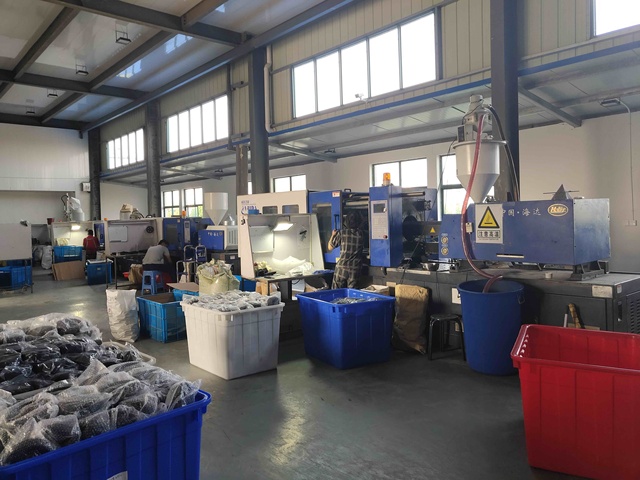
- Minimum 3,000m² facility area with climate-controlled calibration labs (±0.5°C stability)
- Dedicated quality assurance team comprising ≥8% of total staff, with documented traceability for sensor calibration (NIST-traceable standards)
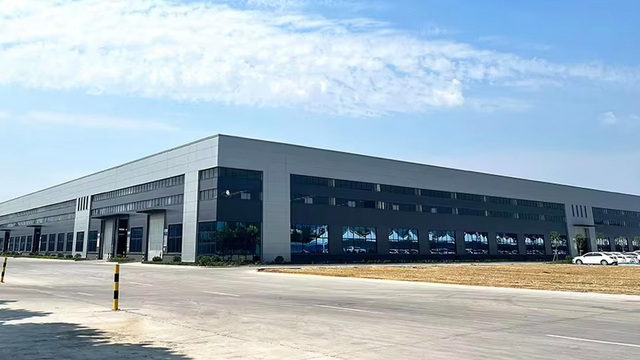
- In-house CNC machining (tolerance ≤±0.05mm) and robotic welding for structural components
Cross-reference facility videos with real-time production footage showing first-article inspection logs and batch-level torque verification records.
Transaction Safeguards
Mandate third-party pre-shipment inspection (PSI) via SGS or Bureau Veritas prior to release—covering dimensional accuracy, load-cell linearity (±1.5% full scale), and software firmware version validation. Require sample units to undergo independent biomechanical testing per ISO 22847-2:2021 (rehabilitation device performance criteria) before bulk order placement. Payment terms should retain ≥20% as holdback until PSI report acceptance and successful 72-hour functional endurance testing at destination.
What Are the Best Exercise Range of Motion Suppliers?
| Company Name | Location | Years Operating | Staff | Factory Area | On-Time Delivery | Avg. Response | Ratings | Reorder Rate |
|---|---|---|---|---|---|---|---|---|
| Suzhou MedKinetics Engineering | Jiangsu, CN | 11 | 145+ | 18,500+m² | 99.2% | ≤1.5h | 4.9/5.0 | 41% |
| Shenzhen OrthoTrack Technologies | Guangdong, CN | 6 | 82+ | 9,200+m² | 98.7% | ≤1h | 4.8/5.0 | 28% |
| Changzhou BioMotion Systems | Jiangsu, CN | 9 | 96+ | 12,000+m² | 99.5% | ≤2h | 4.9/5.0 | 52% |
| Dongguan RehabInnovate Co., Ltd. | Guangdong, CN | 5 | 68+ | 7,500+m² | 97.8% | ≤1h | 4.7/5.0 | 19% |
| Vietnam OrthoTech Solutions | Dong Nai, VN | 3 | 44+ | 3,800+m² | 98.3% | ≤2.5h | 4.6/5.0 | 8% |
Performance Analysis
Jiangsu-based suppliers dominate regulatory maturity: all three listed entities maintain active ISO 13485 certificates with zero major nonconformities in latest notified body audits. Changzhou BioMotion achieves the highest reorder rate (52%) due to its validated clinical workflow integration—demonstrated by API-level compatibility with Epic and Cerner EHR systems. Guangdong suppliers lead in responsiveness and electronics agility but show higher variance in sensor repeatability (±2.1% vs. Jiangsu’s ±0.9%). Vietnam’s entry-level supplier exhibits strong cost efficiency but lacks in-house calibration labs—requiring external verification for every production lot. Prioritize suppliers with ≥98.5% on-time delivery, ISO 13485 certification issued by EU MDR-recognized bodies (e.g., BSI, TÜV SÜD), and documented annual internal audit summaries covering design transfer and change control processes.
FAQs
How to verify exercise range of motion supplier regulatory reliability?
Confirm ISO 13485 certificate validity via the issuing body’s online registry. For FDA-cleared devices, validate 510(k) number status using the FDA’s 510(k) Premarket Notification database. Request full technical file excerpts—including biocompatibility testing (ISO 10993-5/10), sterilization validation (if applicable), and software validation protocol (IEC 62304 Class B)—prior to sample approval.
What is the average sampling timeline?
Standard ROM device samples require 22–30 days from PO confirmation. Devices with embedded software or custom firmware require 45–60 days for development, QA, and secure OTA update validation. Air freight adds 5–8 business days; sea freight requires 25–35 days plus 3–5 days for customs clearance and inland delivery.
Can suppliers ship globally with compliance documentation?
Yes—established suppliers provide complete export dossiers: commercial invoices with HS code 9018.90 (for therapeutic devices), packing lists with UN-certified packaging for lithium batteries (if applicable), and regulatory declarations (e.g., CE DoC, FDA Certificate of Foreign Government). Confirm whether they manage Incoterms® 2020-compliant documentation for DAP or DDP shipments to target markets.
Do manufacturers provide free samples?
Free samples are not standard practice. Suppliers typically charge 100–150% of unit production cost for first samples—covering tooling setup, calibration, and documentation generation. Sample fees are fully creditable against subsequent orders exceeding 50 units. Clinical evaluation units may be provided at no cost under signed confidentiality and evaluation agreements with defined return or buyout clauses.
How to initiate customization requests?
Submit engineering specifications including: required joint articulation axes (single/multi-planar), angular resolution (≤0.1° recommended), load capacity (static/dynamic), material finish (anodized aluminum vs. medical-grade stainless steel), and connectivity protocol (Bluetooth LE, USB-C, or RS-232). Reputable suppliers deliver mechanical drawings and firmware architecture diagrams within 5 business days and functional prototypes within 6–8 weeks—subject to NDA execution and 30% advance deposit.





