Expanded Notation


 1/3
1/3




 0
0


 1/3
1/3


 1/3
1/3














 1/3
1/3







 1/3
1/3



 1/3
1/3


 1/3
1/3


 1/3
1/3



 1/3
1/3







 1/3
1/3




 1/2
1/2



 1/3
1/3





 1/2
1/2


About expanded notation
Where to Find Expanded Notation Suppliers?
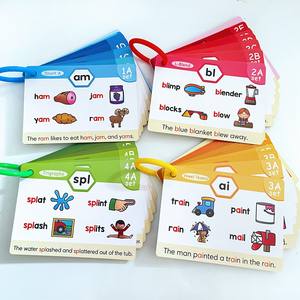
Currently, there is no verifiable supplier data available for manufacturers specializing in "expanded notation" as a physical product. The term primarily refers to an educational methodology used in mathematics instruction—specifically, the representation of numbers by place value (e.g., 345 = 300 + 40 + 5). As such, it does not correspond to a category of industrial goods or machinery with established production clusters.
In contexts where "expanded notation" appears in sourcing inquiries, it may stem from misclassification, translation discrepancies, or confusion with tangible products such as teaching aids, classroom posters, printed worksheets, or digital learning tools. These items are typically produced within broader educational materials manufacturing ecosystems, particularly in regions with strong stationery and print-goods industries such as Guangdong, Zhejiang, and Jiangsu provinces in China.
Suppliers capable of fulfilling orders related to expanded notation resources generally operate within the educational content or school supplies sector. They often offer customizable print media, laminated charts, or digital templates, leveraging standard offset printing, digital printing, and lamination processes. Production lead times for such items typically range from 10–20 days, with MOQs varying between 100–1,000 units depending on customization level and material specifications.
How to Choose Expanded Notation Suppliers?
When sourcing educational materials associated with expanded notation concepts, apply the following verification criteria:
Product Classification Clarity
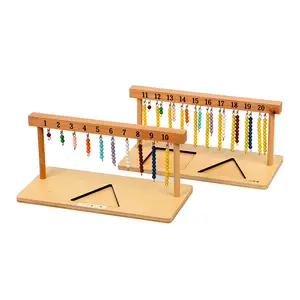
Confirm whether the intended product is physical (e.g., printed charts, manipulatives) or digital (e.g., PDFs, interactive software). Misalignment at this stage can result in incorrect supplier selection. Request detailed product descriptions and visual samples before proceeding.
Manufacturing Scope and Capabilities
Evaluate suppliers based on their experience in producing educational prints or learning aids. Key indicators include:
- Access to digital and offset printing equipment
- Lamination and finishing capabilities (e.g., UV coating, grommet installation)
- Design support for curriculum-aligned layouts
Ensure the supplier can replicate accurate mathematical formatting, including alignment, spacing, and font clarity critical for student comprehension.
Quality and Compliance Verification
For physical products intended for classroom use, verify compliance with safety standards such as EN71 (toys and childcare articles) or ASTM F963 (U.S. toy safety standard), especially if targeting international markets. Materials should be non-toxic, tear-resistant, and suitable for repeated handling. ISO 9001 certification indicates adherence to documented quality management systems, though it is not universally required for small-format print goods.
What Are the Best Expanded Notation Suppliers?
No specific suppliers have been identified or verified for dedicated expanded notation product manufacturing. The absence of structured supplier data—including company names, locations, operational history, facility size, delivery performance, and response metrics—prevents comparative analysis or ranking.
In practice, buyers seeking expanded notation teaching tools often source through general educational product manufacturers or curriculum material distributors. These entities may not specialize exclusively in expanded notation but can produce customized versions upon request. Prioritize suppliers who demonstrate experience in K–12 math education materials, provide sample proofs, and support low-volume trial runs.
FAQs
How to verify expanded notation supplier reliability?
Since no standardized supplier base exists, reliability must be assessed through proxy indicators: business registration status, customer reviews on B2B platforms, sample quality, and responsiveness. Conduct video calls to review production facilities and request references from previous clients in the education sector.
What is the average sampling timeline?
For printed expanded notation materials, expect sample creation within 5–10 working days after design finalization. Digital-only formats (e.g., editable PDFs) can be delivered within 48 hours. Shipping via express courier adds 3–7 days for international delivery.
Can suppliers ship expanded notation materials worldwide?
Yes, most educational print goods suppliers support global shipping. Confirm Incoterms (FOB, CIF, DDP) during negotiation. Lightweight items like posters and worksheets are commonly shipped via air freight or postal services; bulk orders benefit from sea freight consolidation for cost efficiency.
Do manufacturers provide free samples?
Many suppliers offer digital proofs at no cost. Physical samples may incur a nominal fee, which is sometimes waived for qualified buyers or offset against future orders. Free samples are more likely when combined with minimum order commitments (typically 500+ units).
How to initiate customization requests?
Submit clear specifications including grade level, number ranges (e.g., hundreds, thousands), language requirements, color schemes, paper weight (e.g., 157gsm gloss art paper), and finishing preferences. Reputable suppliers will provide layout mockups within 3–5 days and revise them based on feedback prior to production.





