Facial Recognition Attendance System Using Python










 Top sponsor listing




 1/3
1/3



 1/3
1/3




 1/27
1/27



 1/1
1/1





 1/32
1/32



 1/11
1/11



 1/3
1/3


 1/3
1/3



 1/3
1/3



 1/3
1/3



 1/3
1/3



 0
0


 0
0



 1/3
1/3


 1/1
1/1





 1/3
1/3


 1/3
1/3


 1/3
1/3
About facial recognition attendance system using python
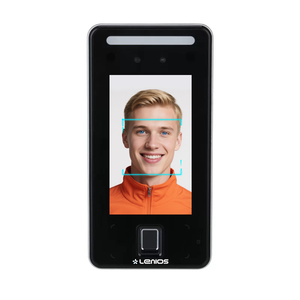
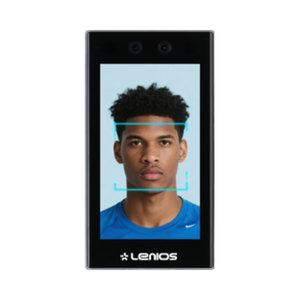
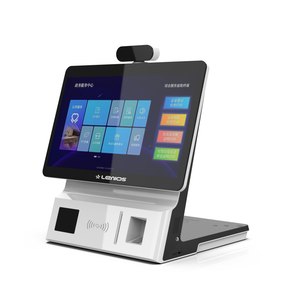
Where to Find Facial Recognition Attendance System Suppliers Using Python?
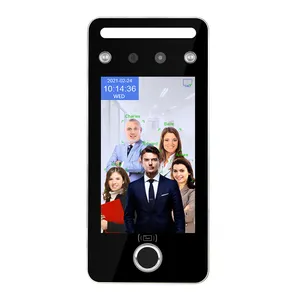
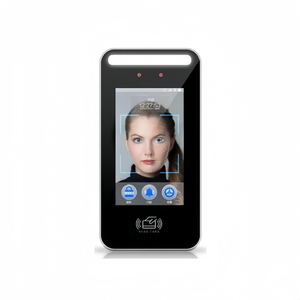
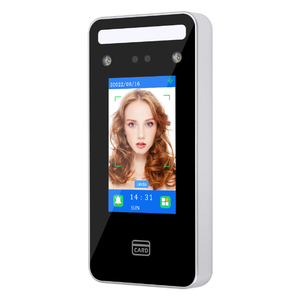
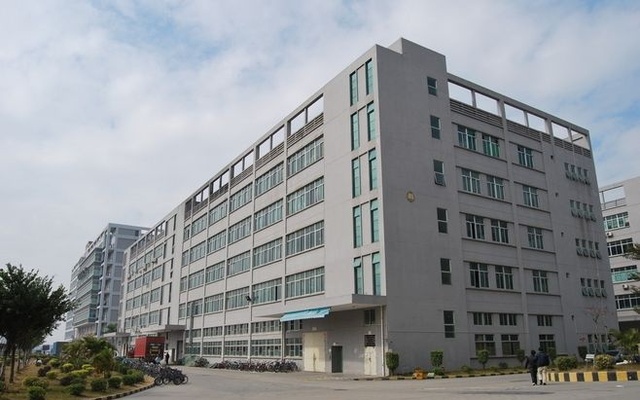
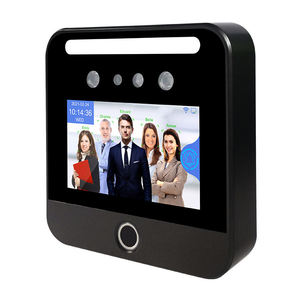
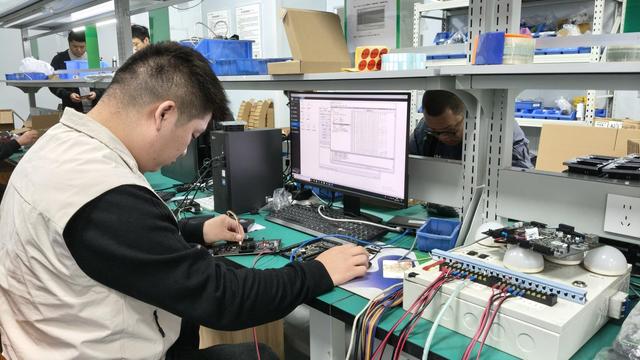
China remains the global epicenter for manufacturing facial recognition attendance systems with Python integration, primarily concentrated in Shenzhen and Suzhou—cities renowned for advanced electronics and AI innovation. These regions host specialized industrial clusters that combine access to semiconductor supply chains, embedded software development talent, and high-volume PCB assembly facilities. Shenzhen’s Bao’an and Nanshan districts support over 70% of China’s biometric hardware suppliers, offering streamlined logistics and rapid prototyping capabilities.
The ecosystem enables vertically integrated production, where sensor module sourcing, firmware programming, and enclosure manufacturing occur within tightly coordinated networks. This localization reduces component lead times by 25–40% compared to offshore alternatives. Buyers benefit from scalable output, with typical monthly capacities ranging from 5,000 to 20,000 units per supplier, depending on model complexity. Most manufacturers support both standalone devices and cloud-connected deployments, with native Python SDKs enabling seamless integration into custom HR or access control platforms.
How to Choose Facial Recognition Attendance System Suppliers Using Python?
Selecting reliable suppliers requires rigorous evaluation across technical, operational, and transactional dimensions:
Technical Integration Capability
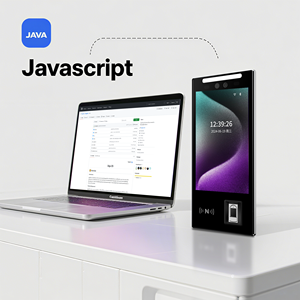
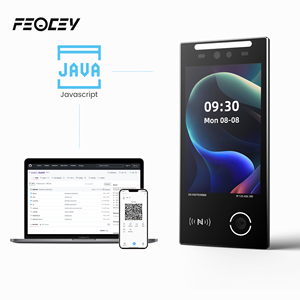
Confirm availability of Python-based SDKs or API documentation for device communication and data extraction. Verify compatibility with OpenCV, Dlib, or TensorFlow frameworks commonly used in facial recognition pipelines. Demand evidence of edge-processing capabilities (on-device face detection) to reduce server dependency. For cloud-managed systems, assess RESTful API robustness and encryption standards (HTTPS/TLS).
Production and Quality Assurance
Evaluate supplier infrastructure using these benchmarks:
- Minimum 10% R&D staffing ratio focused on algorithm optimization and firmware updates
- In-house testing labs validating false acceptance rate (FAR) ≤0.001% and verification speed ≤1 second
- Compliance with ISO 9001 quality management systems and RoHS environmental standards
Cross-reference product listings with on-time delivery performance (target ≥98%) and response time (ideally ≤3 hours).
Customization and Transaction Security
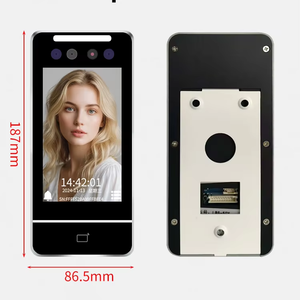
Prioritize suppliers offering configurable options in display size, camera resolution, housing material, and network connectivity (Wi-Fi, Ethernet, 4G). Ensure support for logo, packaging, and UI labeling customization. Use secure payment mechanisms such as escrow services, especially when engaging newer suppliers without extensive order histories. Request functional prototypes before mass production to validate Python integration and database synchronization.
What Are the Best Facial Recognition Attendance System Suppliers Using Python?
| Company Name | Location | Main Products (Listings) | Online Revenue | On-Time Delivery | Avg. Response | Reorder Rate | Customization Options | Notable Features |
|---|---|---|---|---|---|---|---|---|
| Shenzhen Yistar Technology Co., Ltd. | Shenzhen, CN | Biometric Access Control (167), Smart Locks (193) | US $200,000+ | 98% | ≤3h | 16% | Color, size, logo, packaging, battery, graphic | High product diversity across access control |
| Shenzhen Union Timmy Technology Co., Ltd. | Shenzhen, CN | Biometric Access Control (240), Time Recording (154) | US $340,000+ | 95% | ≤3h | 31% | Not specified | Highest revenue; strong focus on biometrics |
| Shenzhen Bowe Innovation Co., Ltd. | Shenzhen, CN | Biometric Access Control (321), Car Electronics (55) | US $10,000+ | 100% | ≤1h | 33% | Logo, software branding | Fastest response; highest reorder rate |
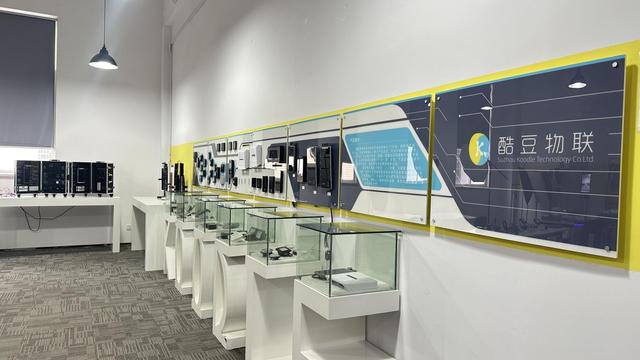
| Suzhou Koodle Tech Co., Ltd. | Suzhou, CN | AI Facial Recognition Devices (multiple models) | US $230,000+ | 100% | ≤1h | 26% | Color, material, size, logo, packaging, label | Full customization; AI-optimized hardware |
| Guangzhou Blue Bosen Electronic Technology Co., Ltd. | Guangzhou, CN | Biometric Access Control (126), Other Access Control (219) | US $10,000+ | 100% | ≤1h | 17% | Material, waterproof design, metal casing | Budget-friendly models; factory-direct pricing |
Performance Analysis
Shenzhen Union Timmy leads in sales volume and product specialization in biometric time recording, making it suitable for bulk procurement. Shenzhen Bowe Innovation and Suzhou Koodle Tech demonstrate superior responsiveness and perfect on-time delivery records, critical for time-sensitive deployments. Suzhou Koodle stands out for deep customization, ideal for integrators requiring branded interfaces or unique form factors. Guangzhou Blue Bosen offers competitive entry-level pricing ($59–$89 range), though with lower reorder frequency, suggesting potential gaps in post-sale support or consistency. All top-tier suppliers provide Python-compatible firmware, but only a subset publish documented APIs—verify this during technical onboarding.
FAQs
Do facial recognition attendance systems support Python integration?
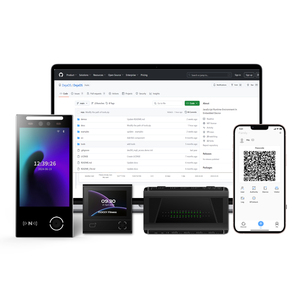
Yes, most modern systems offer Python SDKs or HTTP APIs for integration with internal HRMS, visitor management, or security platforms. Confirm availability of sample code for face enrollment, real-time detection, and log retrieval.
What is the typical MOQ and lead time?
Minimum Order Quantity ranges from 1 to 10 sets, with many suppliers accommodating single-unit orders for testing. Lead time averages 7–15 days for sample units and 20–30 days for bulk shipments after confirmation.
Are these systems compliant with international standards?
While not all list formal CE or FCC certifications, leading suppliers design to RoHS and electromagnetic compatibility norms. Buyers should request test reports for power supply, signal integrity, and data privacy compliance (e.g., GDPR-ready data handling).
Can I customize the software interface and branding?
Yes, suppliers like Suzhou Koodle Tech and Shenzhen Bowe Innovation support UI rebranding, logo insertion, language localization, and custom packaging. Some offer white-label SDKs for full ownership of deployment logic.
How are software updates and technical support handled?
Support varies: established suppliers provide email and chat assistance with firmware patches via secure portals. Long-term buyers may receive dedicated engineering contacts. Always clarify update frequency and backward compatibility before procurement.





