Front End Web Projects

 CN
CN






 1/4
1/4





 1/3
1/3
 CN
CN



 1/3
CN
1/3
CN



 1/6
CN
1/6
CN





 1/3
1/3





 1/3
1/3




 1/3
1/3


 1/2
1/2





 0
0


 1/3
1/3





 1/3
1/3



 1/3
1/3





 1/3
1/3




 1/3
1/3





 1/3
1/3





 1/3
1/3






 1/2
1/2




 1/3
1/3


 1/3
1/3





 0
0
About front end web projects
Where to Find Front End Web Projects Suppliers?
The global market for front end web development services is highly decentralized, with leading talent pools concentrated in technology hubs across Eastern Europe, South Asia, and Southeast Asia. Ukraine and Poland account for over 40% of European outsourced web development projects, supported by robust IT education systems and English proficiency rates exceeding 70% among developers. India and Vietnam have emerged as high-volume delivery centers, offering scalable teams for React, Angular, and Vue.js implementations at competitive cost structures—average hourly rates range from $25–$50 compared to $80–$150 in North America and Western Europe.
These regions provide operational efficiencies through mature outsourcing ecosystems, including co-working development centers, cloud-based project management integration, and standardized agile workflows. Buyers benefit from access to pre-vetted technical teams, rapid onboarding (typically within 5–10 business days), and flexible engagement models (dedicated teams, time-and-materials, or fixed-price contracts). Key advantages include 30–50% lower labor costs, 24/7 development cycles via time-zone complementarity, and scalability for both short-term projects and long-term maintenance support.
How to Choose Front End Web Projects Suppliers?
Prioritize these verification protocols when selecting partners:
Technical Compliance
Require evidence of adherence to W3C standards, cross-browser compatibility testing, and responsive design frameworks (e.g., Bootstrap, Tailwind CSS). For enterprise clients, confirm accessibility compliance with WCAG 2.1 Level AA and performance optimization benchmarks (Google Lighthouse scores ≥90). Validate experience with modern build tools (Webpack, Vite) and version control systems (Git/GitHub/GitLab).
Production Capability Audits
Evaluate team structure and workflow maturity:
- Minimum team size of 5 full-stack/frontend specialists for project continuity
- Dedicated QA engineers responsible for UI regression and usability testing
- Proven CI/CD pipeline implementation for automated deployment and staging environments
Cross-reference portfolio case studies with client testimonials to verify delivery consistency and code maintainability.
Transaction Safeguards
Implement milestone-based payments tied to deliverables (e.g., wireframe approval, component library completion, UAT sign-off). Utilize escrow services for fixed-scope contracts to ensure source code delivery upon final验收. Conduct code audits via third-party reviewers before full payment release. Prioritize suppliers with documented IP transfer agreements and NDA-compliant onboarding processes.
What Are the Best Front End Web Projects Suppliers?
No supplier data available for comparative analysis.
Performance Analysis
In the absence of specific supplier metrics, procurement decisions should rely on structured evaluation of technical portfolios, GitHub activity, and verified client references. Established agencies typically demonstrate higher code quality, adherence to design systems, and smoother collaboration with back-end teams. Newer vendors may offer faster response times and competitive pricing but require closer oversight during execution. Prioritize suppliers with demonstrable experience in your target industry (e.g., e-commerce, SaaS, fintech) and familiarity with your preferred tech stack. For complex SPAs or PWAs, verify hands-on experience with state management (Redux, Pinia) and SSR frameworks (Next.js, Nuxt.js) before engagement.
FAQs
How to verify front end web project supplier reliability?
Review public repositories for coding standards, commit frequency, and test coverage. Request case studies with measurable outcomes (e.g., load time reduction, conversion rate improvement). Conduct live technical interviews or code review sessions with assigned developers. Validate company registration and legal entity status, especially for offshore vendors.
What is the average project timeline for a front end web application?
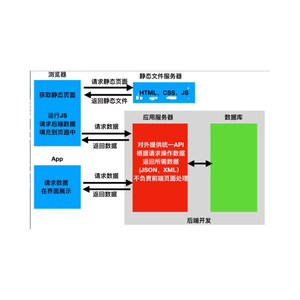
A standard single-page application (SPA) with 5–7 views and integrated APIs requires 4–8 weeks. Complex dashboards or admin panels with real-time components extend to 10–12 weeks. Add 1–2 weeks for accessibility compliance and browser/device testing across major platforms.
Can suppliers integrate with existing back-end systems?
Yes, qualified front end teams support integration with RESTful and GraphQL APIs, third-party authentication (OAuth, JWT), and microservices architectures. Confirm experience with your specific back-end framework (Node.js, Django, Laravel, etc.) and CORS configuration requirements during vendor assessment.
Do suppliers provide free project consultations or prototypes?
Most reputable agencies offer complimentary discovery sessions and wireframe mockups. Fully functional prototypes are typically billed under a paid scoping phase (10–20 hours), which may be credited toward full project costs if contracted.
How to initiate customization requests?
Submit detailed specifications including design files (Figma, Sketch, Adobe XD), component library requirements, animation expectations, and performance KPIs. Reputable suppliers respond with technical proposals, architecture diagrams, and estimated timelines within 3–5 business days.





