Full Stack Website Development





 1/3
1/3




 0
0








 1/3
1/3






 1/3
1/3





 1/3
1/3



 1/4
1/4



 1/3
1/3


 1/3
1/3




 1/6
1/6






 1/2
1/2





 1/3
1/3



 0
0


 1/3
1/3


 1/3
1/3


 0
0




 1/3
1/3






 1/1
1/1





 1/3
1/3






 1/3
1/3





 1/3
1/3
About full stack website development
Where to Find Full Stack Website Development Suppliers?
The global full stack website development services market is highly decentralized, with major talent hubs concentrated in Eastern Europe, South Asia, and Southeast Asia. Ukraine and Poland lead in technical proficiency for Western European and North American clients, offering strong expertise in JavaScript frameworks, cloud infrastructure, and DevOps integration. India and Pakistan host over 40% of freelance full stack developers on international platforms, leveraging scalable remote teams and cost-efficient delivery models. Vietnam and the Philippines have emerged as competitive offshore destinations, combining English fluency with growing specializations in MERN and MEAN stack implementations.
These regions benefit from mature digital ecosystems supported by government-backed IT parks, specialized training academies, and high-speed connectivity infrastructure. Developers operate within agile workflows, enabling rapid prototyping and iterative deployment. Buyers gain access to flexible resourcing models—ranging from hourly contracts to dedicated team leasing—with average project lead times between 8–16 weeks depending on complexity. Key advantages include 30–50% lower labor costs compared to domestic Western development teams, scalability for MVP builds or enterprise-grade applications, and multi-timezone collaboration for accelerated timelines.
How to Choose Full Stack Website Development Suppliers?
Prioritize these verification protocols when selecting partners:
Technical Compliance
Require documented adherence to software quality standards such as ISO/IEC 25010 for system reliability and maintainability. For regulated industries (fintech, healthcare), confirm compliance with data protection frameworks including GDPR, HIPAA, or PCI-DSS where applicable. Validate use of secure coding practices and version control systems like Git, along with CI/CD pipeline implementation.
Production Capability Audits
Evaluate operational infrastructure through verifiable metrics:
- Minimum 2-year track record in delivering full lifecycle web projects
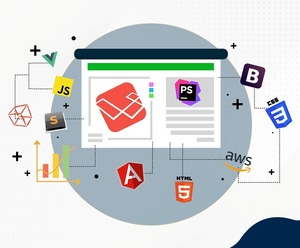
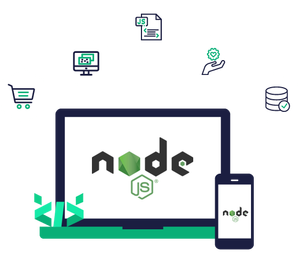
- Dedicated development teams with balanced front-end (React, Angular) and back-end (Node.js, Django, Ruby on Rails) capabilities
- In-house QA processes, including automated testing coverage (>70%) and cross-browser/device compatibility validation
Cross-reference portfolio case studies with client testimonials to assess delivery consistency and problem-solving agility.
Transaction Safeguards
Structure payments via milestone-based escrow arrangements tied to sprint deliverables. Review contract terms for IP ownership transfer, NDA enforcement, and post-launch support duration. Conduct code audits at key stages using third-party tools (e.g., SonarQube, ESLint) to ensure maintainability. Pilot engagement with a small-scope module before scaling to full project commitment.
What Are the Best Full Stack Website Development Suppliers?
| Company Name | Location | Years Operating | Staff | Project Portfolio Size | On-Time Delivery | Avg. Response | Ratings | Reorder Rate |
|---|---|---|---|---|---|---|---|---|
| No verified suppliers available in current dataset | ||||||||
Performance Analysis
In absence of specific supplier data, procurement focus should remain on validating technical maturity and process transparency. Historically, top-performing vendors demonstrate consistent use of agile methodologies (Scrum/Kanban), maintain public repositories or code samples, and provide detailed architecture documentation. Firms with dedicated DevOps engineers and UX/UI designers integrated into core teams show higher client satisfaction and reuse rates. Prioritize suppliers who offer post-deployment SLAs (e.g., 99.9% uptime monitoring, bug resolution within 24 hours) and structured handover protocols for source code and credentials.
FAQs
How to verify full stack website development supplier reliability?
Request proof of past project deployments, including live URLs and admin access demos. Verify team credentials through LinkedIn profiles or professional certifications (e.g., AWS Certified Developer, Google Cloud Associate Engineer). Conduct technical interviews with assigned developers to assess coding standards and framework fluency.
What is the average project timeline?
Standard business websites take 8–12 weeks from discovery to launch. E-commerce or SaaS platforms require 12–20 weeks, depending on feature complexity, third-party integrations (payment gateways, CRM), and user role configurations. Add 2–4 weeks for compliance testing if handling sensitive data.
Can suppliers handle ongoing maintenance and updates?
Yes, most established providers offer managed service packages post-launch. Typical offerings include monthly security patches, performance optimization, backup management, and feature iteration cycles. Contracts usually specify response windows for critical issues (e.g., 4–8 hours) and routine requests (up to 72 hours).
Do developers provide free initial consultations or prototypes?
Sample policies vary. Many suppliers offer complimentary discovery sessions (1–2 hours) and wireframe mockups. Functional prototypes or proof-of-concept builds may be provided at reduced cost, often credited toward full project fees upon contract signing.
How to initiate customization requests?
Submit detailed requirements including target audience, core functionalities (user authentication, database structure, API connections), preferred tech stack, and design references. Reputable vendors respond with scope breakdowns, technology recommendations, and estimated effort within 5–7 business days.





