Functional Pattern


 1/3
1/3
 1/3
1/3


 0
0


 0
0


 0
0


 0
0




 1/3
1/3


 1/3
1/3


 1/2
1/2


 0
0


 1/3
1/3


 1/3
1/3



 1/1
1/1


 1/3
1/3


 0
0



 1/3
1/3



 1/3
1/3


 1/3
1/3


 1/1
1/1


About functional pattern
Where to Find Functional Pattern Suppliers?
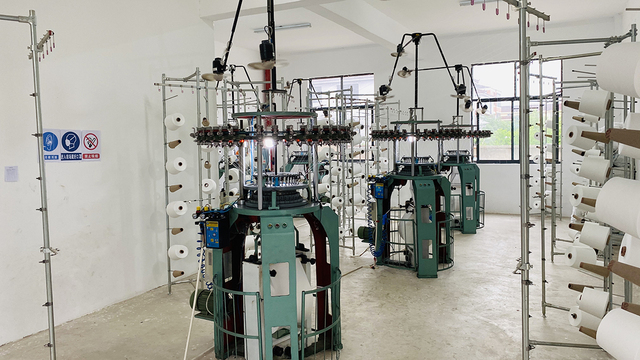
China remains the central hub for functional pattern manufacturing, with key production clusters in Guangdong, Zhejiang, and Jiangsu provinces. These regions host vertically integrated facilities specializing in textile engineering, digital printing, and performance fabric development. Guangdong’s Foshan and Dongguan zones are particularly notable, offering proximity to synthetic fiber producers and dyeing plants that streamline material sourcing. Zhejiang’s Shaoxing district, recognized as Asia’s largest textile trading center, supports rapid prototyping and small-batch production with localized access to over 10,000 textile suppliers within a 30km radius.
These industrial ecosystems enable agile production cycles through automated cutting lines, computer-aided design (CAD) integration, and advanced moisture-wicking, UV-resistant, and antimicrobial finishing technologies. Buyers benefit from reduced lead times—typically 25–40 days for bulk orders—and cost efficiencies driven by consolidated logistics and in-region material procurement. Average monthly output across mid-tier manufacturers ranges from 50,000 to 200,000 units, scalable based on automation level and facility size. Customization is widely supported, including fit adaptation, seam engineering, and branded labeling.
How to Choose Functional Pattern Suppliers?
Implement structured evaluation criteria to ensure technical and operational reliability:
Quality Management Standards
Confirm ISO 9001 certification as a baseline for consistent process control. For regulated markets (EU, North America), verify compliance with REACH, RoHS, and OEKO-TEX® Standard 100, particularly for skin-contact applications. Request test reports for colorfastness (AATCC 16), pilling resistance (ASTM D3512), and dimensional stability after washing (ISO 6330).
Production Capacity Assessment
Evaluate infrastructure and workforce capabilities:
- Minimum factory area of 3,000m² to support continuous batch processing
- Digital pattern-making systems (e.g., Gerber Accumark or Lectra Modaris) in use
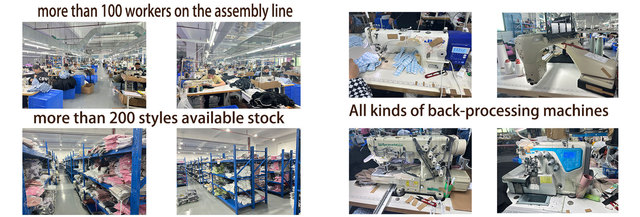
- In-house sampling department capable of producing tech packs and prototypes within 7–10 days
Cross-check order fulfillment history, targeting suppliers with documented on-time delivery rates above 95%.
Procurement Risk Mitigation
Utilize secure transaction models such as third-party inspection services and escrow payment terms tied to production milestones. Prioritize suppliers with export experience to your target market, confirmed through shipping documentation and customs clearance records. Pre-production sampling is critical—validate pattern accuracy, stitch density, and fabric hand feel before mass production.
What Are the Best Functional Pattern Suppliers?
No supplier data available for functional pattern manufacturers at this time.
Performance Analysis
Without current supplier profiles, buyers should focus on regional advantages and technical benchmarks during initial outreach. Guangdong-based factories typically offer faster turnaround for small to medium runs due to high equipment utilization and skilled labor pools. Zhejiang suppliers excel in fabric integration, often maintaining direct relationships with mills producing polyester-spandex blends, nylon-Lycra composites, and recycled performance textiles. When evaluating new partners, confirm CAD compatibility with major design software and request video audits of cutting and sewing lines to assess workflow efficiency.
FAQs
How to verify functional pattern supplier reliability?
Validate certifications through official databases and request audit trails covering raw material traceability, chemical usage, and workplace safety. Review client references, especially those in athleticwear, outdoor gear, or medical apparel sectors where performance standards are stringent.
What is the average sampling timeline?
Standard sample development takes 7–14 days, depending on design complexity. Fully customized patterns with ergonomic grading or compression zoning may require up to 21 days. Allow additional 5–8 days for international express delivery.
Can suppliers ship functional patterns worldwide?
Yes, most established manufacturers support global distribution via air or sea freight. Confirm Incoterms (FOB, CIF, DDP) upfront and ensure packaging meets destination regulations, particularly for environmentally sensitive regions enforcing textile import restrictions.
Do manufacturers provide free samples?
Sample policies vary: some suppliers waive fees for qualified bulk orders (typically MOQ ≥500 units), while others charge a nominal fee covering material and labor, refundable upon order confirmation. Complex technical samples may incur non-recurring engineering (NRE) costs.
How to initiate customization requests?
Submit detailed specifications including garment type, size range, fabric composition, stretch recovery requirements, and intended use case. Leading suppliers provide digital mockups within 48 hours and physical prototypes within 10–14 days, supporting iterative adjustments prior to production launch.





