





How Can I Make Espresso At Home














 Top sponsor listing

 CN
CN





 0
0



 1/3
1/3


 1/3
1/3


 1/3
1/3












 1/1
1/1


 1/1
1/1



 1/2
1/2


 1/3
1/3

 1/18
1/18



 0
0


 1/15
1/15



 1/3
1/3


 0
0




 1/3
1/3





 1/41
1/41


 0
0


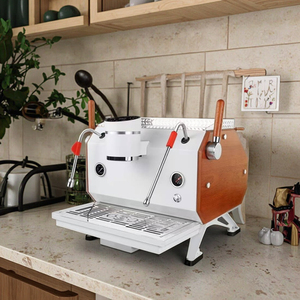 1/13
1/13
About how can i make espresso at home
Where to Find Espresso Equipment Suppliers?
Global production of espresso-making equipment is highly concentrated in regions with established manufacturing ecosystems for small appliances and precision machinery. Italy remains the epicenter for high-end lever and semi-automatic machines, driven by decades of engineering expertise and a culture of coffee excellence. Key industrial zones in Lombardy and Emilia-Romagna host specialized manufacturers producing brass-group boilers, thermoblock systems, and PID-controlled units with tight tolerances.
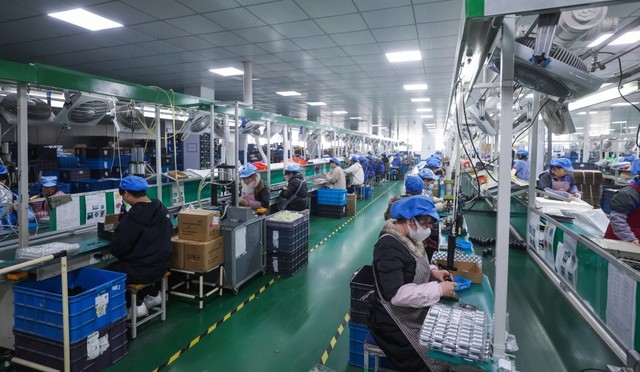
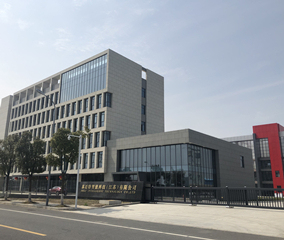
China has emerged as a dominant force in mid-tier and entry-level espresso machine production, particularly in Guangdong and Zhejiang provinces. These clusters benefit from vertically integrated supply chains for stainless steel, aluminum die-casting, and electronic control boards, enabling cost reductions of 25–40% compared to European counterparts. Facilities often combine injection molding, sheet metal fabrication, and final assembly under one roof, supporting rapid prototyping and scalable output. Buyers gain access to flexible MOQs (as low as 50 units) and lead times averaging 35–50 days for container shipments.
How to Choose Espresso Equipment Suppliers?
Prioritize these verification protocols when selecting partners:
Technical Compliance
Require ISO 9001 certification as a baseline for quality management. For markets in Europe and North America, CE or ETL listing is mandatory for electrical safety compliance. Verify conformity with low-voltage directive (LVD) and electromagnetic compatibility (EMC) standards. Request test reports for pressure vessel integrity—especially for boilers operating above 9 bar—and thermal cutoff functionality.
Production Capability Audits
Evaluate core infrastructure metrics:
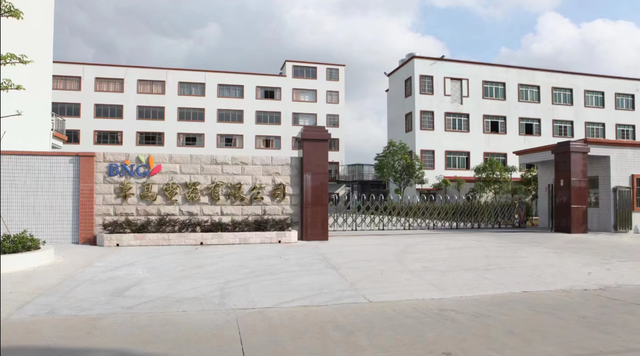
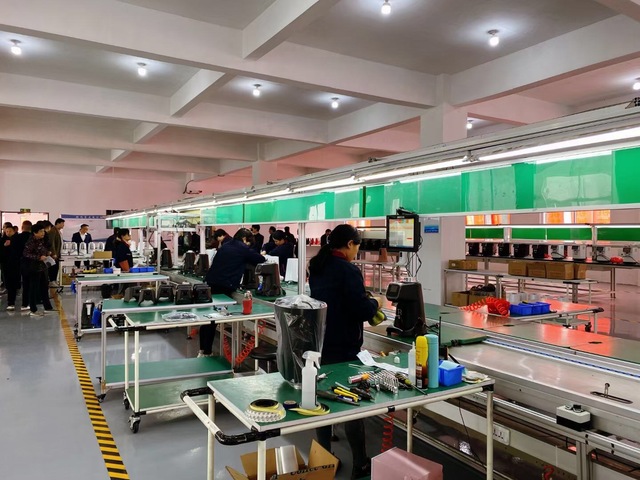
- Minimum 3,000m² facility with dedicated assembly lines
- In-house machining for critical components like portafilters and steam wands
- Capacity to produce ≥500 units/month for standard models
Confirm automation level through process videos and validate consistency via batch testing data.
Transaction Safeguards
Utilize third-party inspection services (e.g., SGS, TÜV) prior to shipment. Favor suppliers offering escrow payment terms or trade assurance programs. Conduct sample evaluations focusing on pump performance (target: 15±1 bar extraction pressure), pre-infusion timing, and build durability—including cycle testing of portafilter engagement (minimum 10,000 insertions).
What Are the Best Espresso Equipment Suppliers?
No supplier data available for analysis.
Performance Analysis
In absence of verified supplier profiles, procurement decisions should emphasize documented production experience, compliance transparency, and technical responsiveness. Established Italian manufacturers typically offer superior build quality and long-term service support but at higher price points and longer lead times (60+ days). Chinese suppliers provide greater flexibility in customization and faster turnaround, though due diligence on material sourcing and after-sales service capability is essential. Prioritize vendors who provide detailed technical drawings, perform in-factory run tests, and allow third-party audits.
FAQs
How to verify espresso machine supplier reliability?
Cross-validate certifications with accredited bodies. Request factory audit reports detailing quality control procedures, component traceability, and environmental compliance. Assess post-purchase support through customer references and warranty fulfillment history.
What is the average sampling timeline?
Standard samples take 10–20 days to produce. Custom configurations involving unique boiler designs or digital interfaces may require 30–45 days. Air freight adds 5–8 days for international delivery.
Can suppliers ship espresso machines worldwide?
Yes, experienced manufacturers manage global logistics via FOB, CIF, or DDP terms. Confirm adherence to destination-specific electrical standards (voltage, plug type) and packaging requirements for shock and moisture resistance during ocean transit.
Do manufacturers provide free samples?
Sample policies vary. Some suppliers waive fees for confirmed bulk orders (typically >200 units). Otherwise, expect to cover 40–60% of unit cost, which may be credited toward future production runs.
How to initiate customization requests?
Submit detailed specifications including boiler type (single/dual, heat exchange), pump style (vibratory/rotary), dimensions, power requirements, and UI preferences. Reputable suppliers respond with CAD files, BOMs, and functional prototypes within 2–4 weeks.





