How Can We Create A Web Page


 1/3
1/3






 1/3
1/3





 1/3
1/3






 1/3
1/3






 0
0





 1/2
1/2





 1/3
1/3






 1/2
1/2



 1/3
1/3

 CN
CN






 1/3
1/3






 1/3
1/3



 0
0


 0
0






 1/3
1/3






 1/3
1/3


 1/3
1/3






 1/3
1/3




 1/3
1/3




 1/1
1/1




 1/3
1/3
About how can we create a web page
How Can We Create a Web Page?
Creating a web page involves integrating design, development, and deployment processes using standardized technologies. The foundational components include HTML (HyperText Markup Language) for structure, CSS (Cascading Style Sheets) for styling, and JavaScript for interactivity. These elements are processed by web browsers to render functional and visually consistent pages across devices.
Development typically follows a structured workflow: requirement analysis, wireframing, UI/UX design, front-end coding, back-end integration (if dynamic content is required), testing, and hosting. Static pages can be built with basic text editors and deployed via simple file transfer, while dynamic sites require server-side scripting (e.g., PHP, Python, Node.js) and database integration (e.g., MySQL, MongoDB). Cloud-based platforms and content management systems (CMS) such as WordPress or custom frameworks streamline deployment and maintenance.
What Are the Key Technical Requirements for Web Page Development?
To ensure functionality, accessibility, and performance, adhere to established technical standards:
Core Technologies
HTML5 provides semantic structure and supports multimedia embedding. CSS3 enables responsive layouts through Flexbox and Grid systems, ensuring compatibility across screen sizes. JavaScript (ES6+) introduces dynamic behavior, including DOM manipulation and asynchronous API calls. For cross-browser consistency, validate code against W3C standards.
Performance Optimization
Evaluate these critical benchmarks:
- Page load time under 2 seconds for optimal user retention
- Image compression to reduce payload without compromising quality (WebP format preferred)
- Minification of CSS, JavaScript, and HTML files to decrease file size
- Use of Content Delivery Networks (CDNs) for global asset distribution
Implement lazy loading for images and deferred script execution to improve initial render speed.
Security & Compliance
Deploy HTTPS using TLS 1.2+ encryption to protect data transmission. Adhere to GDPR, CCPA, and WCAG 2.1 guidelines for privacy and accessibility. Validate input fields to prevent XSS and CSRF attacks. Regular security audits and vulnerability scanning are recommended for production environments.
What Are the Best Practices for Web Page Deployment?
| Component | Technology | Functionality | Hosting Type | Uptime SLA | Bandwidth | Support Response | SSL Included | Scalability |
|---|---|---|---|---|---|---|---|---|
| Static Site | HTML/CSS/JS | Brochure-style pages, portfolios | Shared Hosting / CDN | 99.9% | Unmetered | ≤4h | Yes | Low |
| Dynamic Site | PHP/Python/Node.js + DB | User accounts, forms, real-time updates | VPS / Dedicated Server | 99.95% | 5TB+/mo | ≤2h | Yes | Medium |
| Enterprise Portal | React/Angular + REST APIs | High-traffic applications, e-commerce | Cloud (AWS, GCP, Azure) | 99.99% | Auto-scaled | 24/7 | Yes | High |
| CMS-Based Site | WordPress, Drupal, Joomla | Content publishing, blogs, small business sites | Managed Hosting | 99.9% | Unmetered | ≤3h | Yes | Medium |
| Progressive Web App (PWA) | Service Workers + Manifest.json | Offline access, push notifications, mobile-first | Cloud + CDN | 99.95% | Auto-scaled | 24/7 | Yes | High |
Performance Analysis
Static sites offer fastest load times and lowest cost but lack interactivity. Dynamic and CMS-driven platforms provide greater functionality at increased complexity and resource usage. Cloud-hosted solutions deliver high availability and scalability, essential for traffic-intensive applications. Prioritize providers offering automated backups, DDoS protection, and staging environments for testing. For mission-critical deployments, verify uptime history and incident response protocols before contract signing.
FAQs
What is the average timeline for web page creation?
Simple static pages take 3–7 days from concept to launch. Dynamic sites require 2–6 weeks depending on feature complexity. Enterprise-grade applications with authentication, databases, and third-party integrations may take 8–12 weeks. Content readiness significantly impacts delivery speed.
Is responsive design mandatory?
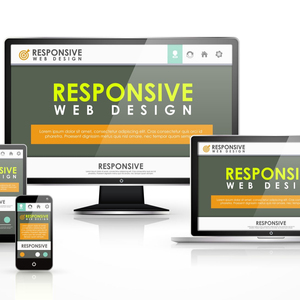
Yes. With over 60% of global web traffic originating from mobile devices, responsive design is a technical and commercial necessity. Test layouts on multiple breakpoints (mobile, tablet, desktop) and use viewport meta tags for accurate rendering.
Can we customize the backend infrastructure?
Full customization is possible with VPS or cloud hosting. Developers can configure operating systems, databases, caching layers (Redis, Memcached), and load balancers. Pre-configured CMS hosts offer limited backend access but simplify maintenance for non-technical users.
Do developers provide free revisions?
Revision policies vary. Most contractors include 1–2 rounds of changes in initial pricing. Additional modifications are billed hourly or per change request. Clearly define scope boundaries in project agreements to avoid cost overruns.
How to initiate a web development project?
Begin with a detailed specification document outlining objectives, target audience, sitemap, functionality requirements, and preferred technologies. Share mockups or reference sites to align expectations. Reputable developers respond within 24 hours and provide technical proposals within 3–5 business days.





