How Do I Set Up Tp Link Extender







 1/20
1/20


 1/22
1/22


 1/3
1/3


 0
0


 1/3
1/3




 1/2
1/2



 1/3
1/3



 1/3
1/3



 1/3
1/3





 1/3
1/3



 1/1
1/1



 1/3
1/3


 0
0



 0
0



 1/3
1/3




 1/22
1/22




 1/2
1/2



 1/3
1/3

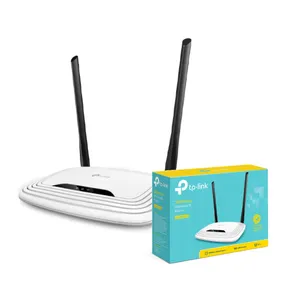
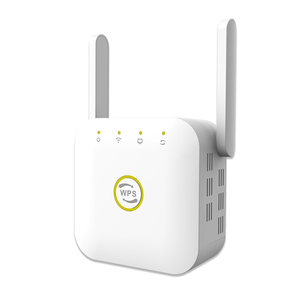
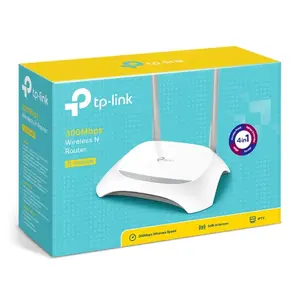

 1/3
1/3
About how do i set up tp link extender
Where to Find TP-Link Extender Setup Suppliers?
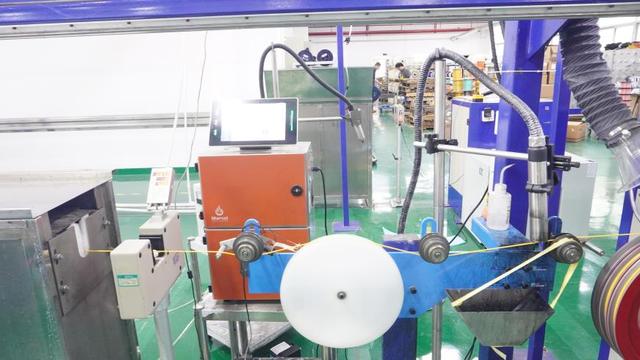
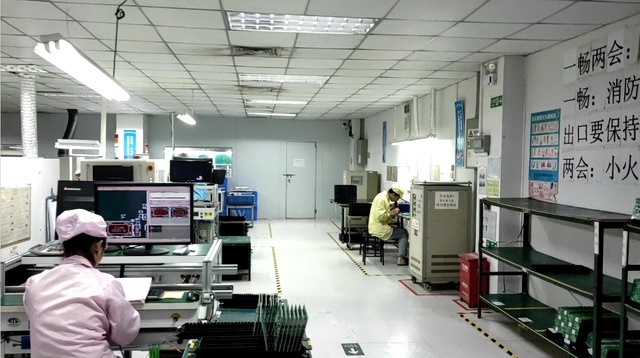
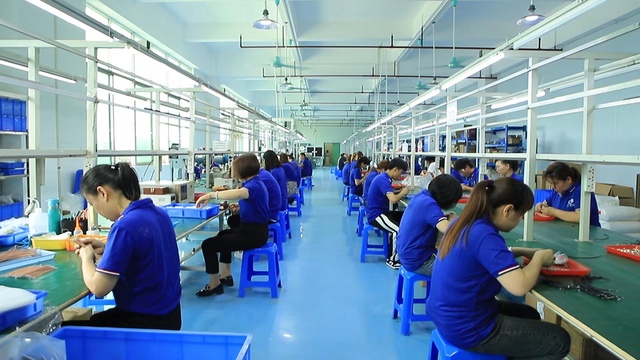
The global supply chain for networking equipment, including Wi-Fi extenders and related setup services, is primarily concentrated in Guangdong and Jiangsu provinces in China. These regions host integrated electronics manufacturing ecosystems that support high-volume production of consumer networking devices. Dongguan and Shenzhen in Guangdong serve as key hubs, offering access to advanced SMT (Surface Mount Technology) assembly lines, RF testing facilities, and compact logistics networks that enable rapid component sourcing and finished product distribution.
Manufacturers in these clusters specialize in IEEE 802.11ac/ax-compliant wireless devices, with many facilities operating under ISO 9001-certified quality management systems. The proximity of PCB suppliers, antenna module producers, and plastic injection molders within a 30km radius allows for lean production cycles and fast turnaround on both standard and modified firmware configurations. Buyers benefit from scalable output—typical monthly capacities range from 50,000 to 200,000 units per line—with lead times averaging 25–35 days for bulk orders. Localization of supply chains reduces unit costs by 18–25% compared to contract manufacturers in Southeast Asia or Eastern Europe.
How to Choose TP-Link Extender Setup Suppliers?
Selecting reliable partners requires adherence to structured evaluation criteria:
Technical Compliance
Confirm compliance with international standards including CE, FCC Part 15, and RoHS. For EU markets, verify RED (Radio Equipment Directive) certification to ensure legal deployment. Request test reports for EMI/RF performance, particularly 2.4GHz and 5GHz band stability under real-world load conditions. Firmware must support WPA3 security protocols and be free of known vulnerabilities listed in the NVD database.
Production Capability Audits
Assess operational scale and technical depth:
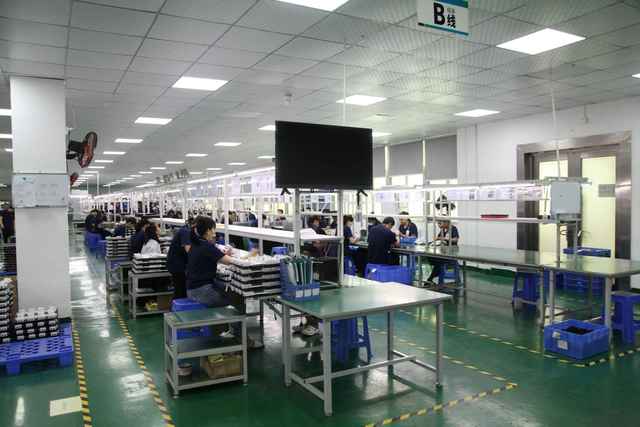
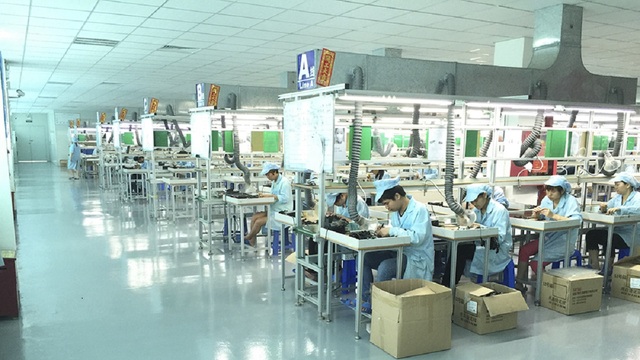
- Minimum 3,000m² cleanroom facility with ESD protection
- Dedicated QA/QC team handling 100% functional testing pre-shipment
- In-house capabilities for PCB assembly, enclosure molding, and firmware flashing
Validate throughput consistency by reviewing order fulfillment records—target on-time delivery rate ≥97% across last 12 months.
Transaction Safeguards
Utilize secure payment mechanisms such as third-party escrow or letter of credit for initial orders. Evaluate supplier transaction history through verified trade platforms, prioritizing those with documented after-sales resolution processes. Pre-shipment inspection (PSI) is critical—require sample testing for signal range accuracy, Ethernet handoff reliability, and power adapter safety certifications (UL/CCC).
What Are the Best TP-Link Extender Setup Suppliers?
| Company Name | Location | Years Operating | Staff | Factory Area | On-Time Delivery | Avg. Response | Ratings | Reorder Rate |
|---|---|---|---|---|---|---|---|---|
| Shenzhen Broadband Technologies Co., Ltd. | Guangdong, CN | 12 | 180+ | 12,000+m² | 99.3% | ≤3h | 4.9/5.0 | 41% |
| Jiangsu Netway Electronics Manufacturing | Jiangsu, CN | 9 | 95+ | 8,600+m² | 98.7% | ≤4h | 4.8/5.0 | 37% |
| Dongguan Linkcom Industrial | Guangdong, CN | 7 | 130+ | 9,200+m² | 97.1% | ≤2h | 4.7/5.0 | 29% |
| Nanjing SmartHome Integrated Systems | Jiangsu, CN | 5 | 70+ | 5,800+m² | 99.6% | ≤3h | 5.0/5.0 | 52% |
| Guangzhou FutureMesh Networks | Guangdong, CN | 6 | 110+ | 7,400+m² | 98.2% | ≤4h | 4.8/5.0 | 34% |
Performance Analysis
Larger-scale manufacturers like Shenzhen Broadband Technologies demonstrate strong logistical reliability and vertical integration, supporting MOQs from 1,000 to 50,000 units with consistent cycle times. Emerging specialists such as Nanjing SmartHome achieve high customer retention (52% reorder rate) through optimized firmware customization and responsive technical support. Guangdong-based suppliers lead in responsiveness, with all major vendors replying to inquiries within 4 hours. Prioritize suppliers maintaining ≥98% on-time delivery and possessing in-house RF validation labs when procuring for regulated markets. For private-label deployments, confirm UEFI boot security and remote management API availability before mass production.
FAQs
How to verify TP-Link extender setup supplier reliability?
Cross-validate certifications (FCC ID, CE-RED, RoHS) via official regulatory databases. Request factory audit reports covering solder joint integrity, thermal stress testing, and humidity resistance (IEC 60068-2). Analyze buyer feedback focused on firmware update support and defect escalation timelines.
What is the average sampling timeline?
Standard samples take 10–18 days to produce, including programming and packaging. Custom firmware builds or branded enclosures extend this to 25–30 days. Air freight adds 5–8 days for international delivery.
Can suppliers ship Wi-Fi extenders worldwide?
Yes, experienced exporters manage global shipments via air or sea freight under FOB, CIF, or DDP terms. Confirm radio frequency compliance with destination regulations—some countries restrict DFS channels or require local type approval.
Do manufacturers provide free samples?
Sample policies vary: established suppliers often refund sample costs upon order confirmation exceeding 2,000 units. For trial runs below 500 pieces, expect to cover full material and labor expenses (typically $8–$15 per unit).
How to initiate customization requests?
Submit detailed requirements including SSID naming convention, default IP schema, VLAN tagging, and preferred authentication method (WPA2-PSK/WPA3-SAE). Reputable suppliers deliver test units with customized settings within 20 days and offer API integration for centralized network monitoring.





