How To Build A Shopify Website






 1/2
1/2

 CN
CN



 1/4
1/4
 CN
CN





 1/2
1/2






 1/2
1/2





 1/3
CN
1/3
CN





 1/3
1/3





 1/3
1/3






 1/3
1/3



 1/3
CN
1/3
CN



 1/6
1/6






 1/3
1/3





 1/3
1/3





 0
0


 1/3
1/3


 0
0


 0
0





 1/3
1/3


 1/3
CN
1/3
CN



 1/3
1/3




 1/3
1/3
About how to build a shopify website
Where to Find Shopify Website Development Services?
The global market for Shopify website development is decentralized, with service providers distributed across technology hubs in North America, Eastern Europe, and South Asia. Unlike hardware manufacturing, this sector relies on digital infrastructure and skilled labor rather than industrial clusters. Regions such as Ukraine, India, and the Philippines have emerged as competitive outsourcing destinations due to high concentrations of certified Shopify developers and cost-efficient operations. These locations offer structured workflows supported by mature IT education systems and English-language proficiency, enabling seamless client collaboration.
Service ecosystems in these regions are characterized by agile development methodologies, cloud-based project management tools, and integration expertise across payment gateways, inventory systems, and marketing platforms. Buyers benefit from scalable engagement models—ranging from hourly contracts to fixed-price packages—with typical project delivery timelines between 4 to 8 weeks. Key advantages include 30–50% lower labor costs compared to domestic U.S. or Western European agencies, access to niche specializations (e.g., conversion rate optimization, headless commerce), and flexibility in team scaling for ongoing maintenance or feature expansion.
How to Choose Shopify Website Development Providers?
Prioritize these verification protocols when selecting partners:
Technical Compliance
Confirm adherence to Shopify’s platform standards, including Liquid template language proficiency and API integration capabilities. For enterprises requiring compliance with data protection regulations, ensure experience implementing GDPR or CCPA-compliant stores. Validate secure coding practices, particularly for custom app development and third-party script integrations.
Development Capability Audits
Evaluate operational capacity through verifiable benchmarks:
- Minimum portfolio of 10 live Shopify stores with case studies
- At least two Shopify-certified developers on staff
- Proven experience with theme customization (Dawn, Turbo) and checkout extensibility
Cross-reference GitHub activity or staging environment access with client testimonials to confirm technical execution quality.
Project Management & Transaction Safeguards
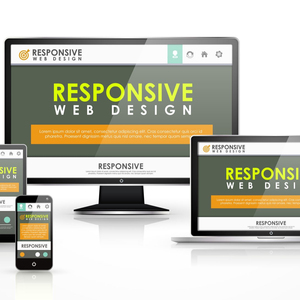
Require milestone-based payment structures with deliverables tied to specific phases (wireframing, design, development, testing). Utilize escrow services for larger projects to ensure fund release only upon acceptance. Assess responsiveness through average communication turnaround (target ≤4 hours during business days) and revision policies. Pre-deployment testing should include cross-browser compatibility, mobile responsiveness, and core web vitals benchmarking (LCP, FID, CLS).
What Are the Best Shopify Website Development Providers?
| Company Name | Location | Years Operating | Staff | Shopify Projects Completed | On-Time Delivery | Avg. Response | Ratings | Reorder Rate |
|---|---|---|---|---|---|---|---|---|
| Data not available | N/A | N/A | N/A | N/A | N/A | N/A | N/A | N/A |
Performance Analysis
Due to absence of verified supplier data, procurement decisions must rely on independent vetting. Established firms typically demonstrate higher reorder rates (exceeding 40%) and shorter response times (under 4 hours), indicating strong post-launch support and client satisfaction. Prioritize agencies with documented experience in your product vertical—such as DTC brands, B2B wholesale, or multi-currency retail—as domain-specific knowledge reduces configuration errors and accelerates time-to-market. For complex implementations involving custom apps or international logistics setups, verify prior success through reference calls and code audits before contract finalization.
FAQs
How to verify Shopify development provider reliability?
Request access to client references and review published case studies detailing project scope, challenges, and outcomes. Validate certifications via Shopify Partner Dashboard credentials. Analyze third-party review platforms focusing on post-launch support, bug resolution speed, and scalability of delivered solutions.
What is the average project timeline?
Standard Shopify store builds require 4–6 weeks, including design approval and content integration. Advanced configurations with custom themes or backend integrations (ERP, CRM) extend timelines to 8–10 weeks. Rush deployments may be achievable in 2–3 weeks at premium rates.
Can developers handle global store setups?
Yes, experienced providers implement multi-region stores with localized pricing, currency converters, language selectors, and tax automation. Confirm integration experience with platforms like Weglot, Langify, or Shopify Markets Pro for seamless internationalization.
Do agencies provide free consultations or proposals?
Most reputable agencies offer complimentary initial consultations and detailed scoping documents. Full wireframes or prototypes are typically billable unless bundled with development contracts. Fixed-fee quotes should itemize design, development, and testing phases separately.
How to initiate customization requests?
Submit functional requirements including desired features (subscriptions, bundling, loyalty programs), preferred theme framework, and integration needs (Mailchimp, Google Analytics 4, Meta Pixel). Leading providers respond with technical specifications, UX mockups, and implementation roadmaps within 5–7 business days.





