How To Setup Tp Link Wireless Extender





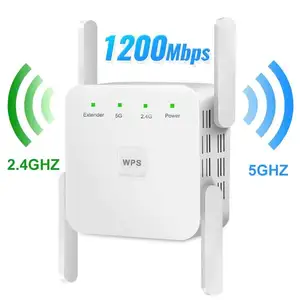
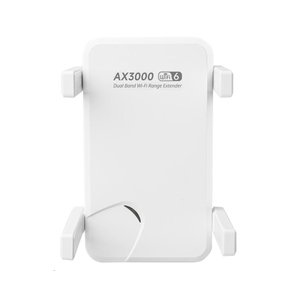


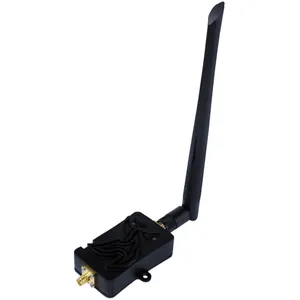
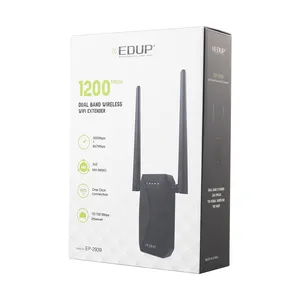
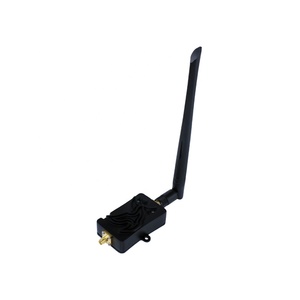

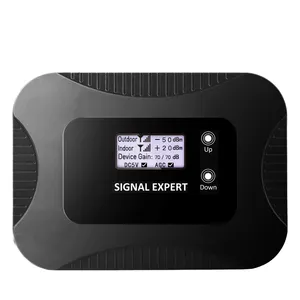
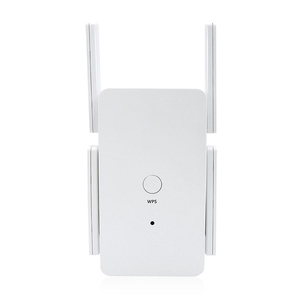
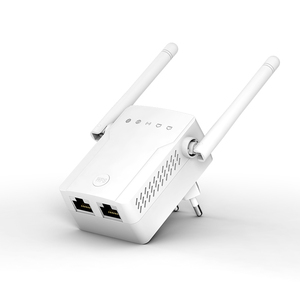
 Top sponsor listing




 1/20
1/20




 1/2
1/2


 1/22
1/22


 1/3
1/3


 1/3
1/3


 0
0




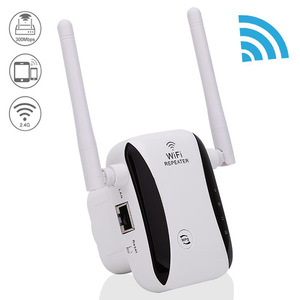
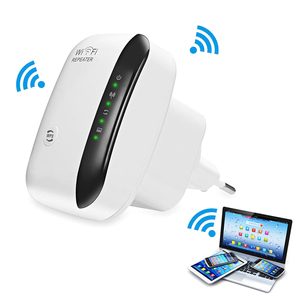


 1/3
1/3


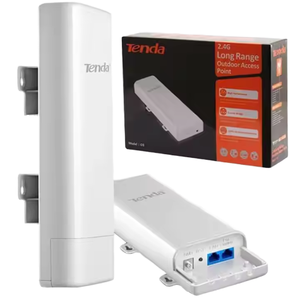
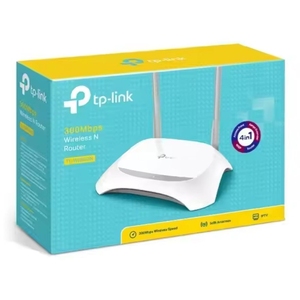
 1/3
1/3




 1/3
1/3



 1/3
1/3



 1/3
1/3




 1/2
1/2

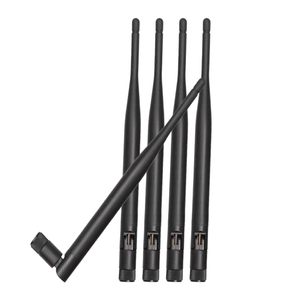

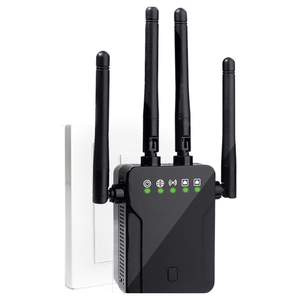
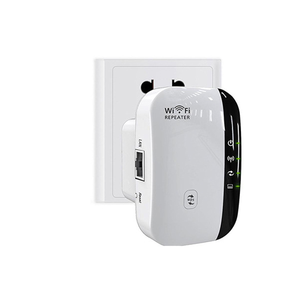

 1/3
1/3

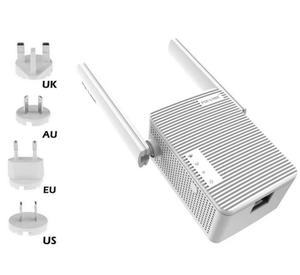


 1/3
1/3


 0
0


 1/3
1/3



 1/3
1/3


 0
0
About how to setup tp link wireless extender
Where to Find TP-Link Wireless Extender Suppliers?
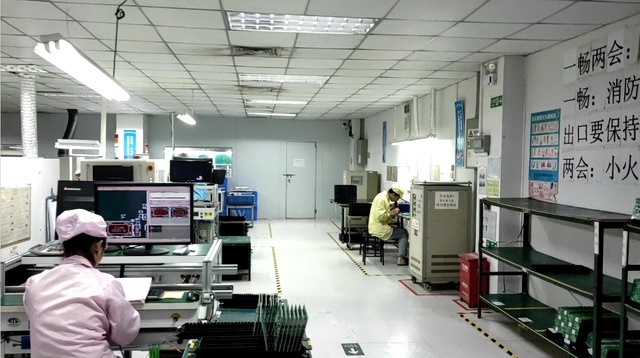
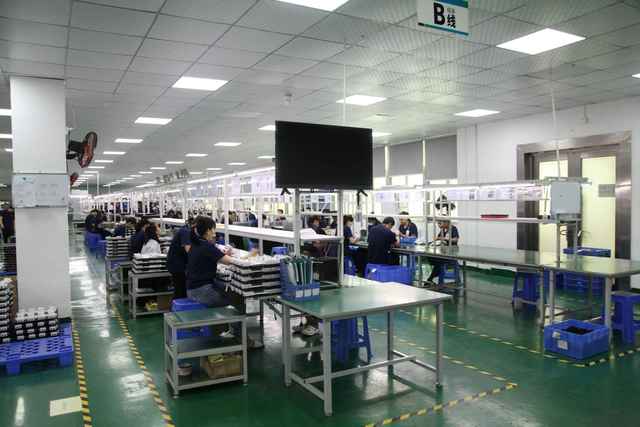
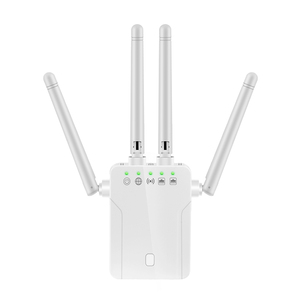
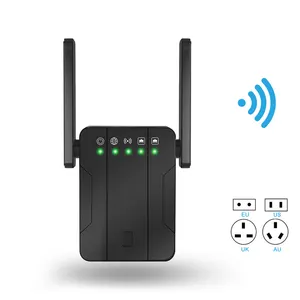
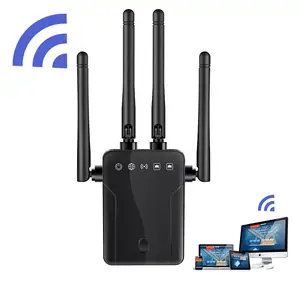
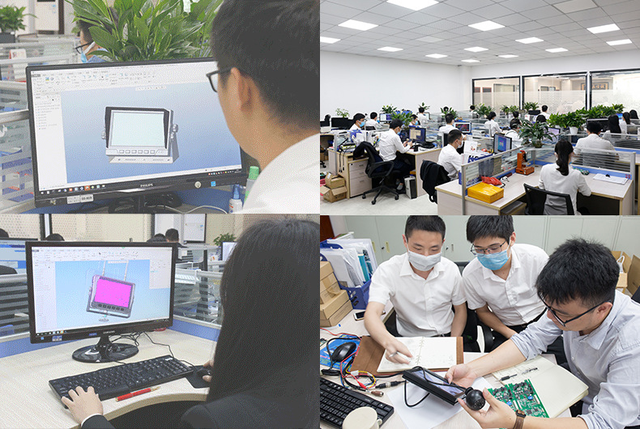
Manufacturing of networking hardware, including wireless extenders, is heavily concentrated in Guangdong and Jiangsu provinces in China, regions recognized for their advanced electronics industrial ecosystems. Guangdong, particularly the Pearl River Delta region encompassing Shenzhen and Dongguan, hosts a dense network of OEM/ODM suppliers specializing in Wi-Fi devices. These clusters benefit from proximity to semiconductor distributors, PCB fabricators, and logistics hubs, enabling rapid prototyping and scalable production.
The integration of surface-mount technology (SMT) lines, automated testing systems, and RF shielding facilities within 10-kilometer radii allows for efficient assembly of dual-band and tri-band wireless extenders. Buyers gain access to vertically integrated supply chains where firmware development, antenna tuning, and compliance testing are conducted in-house. Typical advantages include reduced component procurement lead times (7–14 days), 25–35% lower unit costs compared to non-Asian manufacturers, and flexibility in output volume ranging from 1,000 to over 100,000 units per month.
How to Choose TP-Link Wireless Extender Suppliers?
Procurement decisions should be guided by structured evaluation criteria to ensure technical reliability and operational consistency:
Technical Compliance
Confirm adherence to IEEE 802.11ac/ax standards and FCC Part 15 / CE RED directives for radio frequency emissions. Suppliers must provide test reports from accredited laboratories verifying EMI/RF performance, power output, and channel compatibility. For markets requiring environmental compliance, verify RoHS and REACH declarations with material disclosure statements.
Production Capability Audits
Assess manufacturing infrastructure through documented verification:
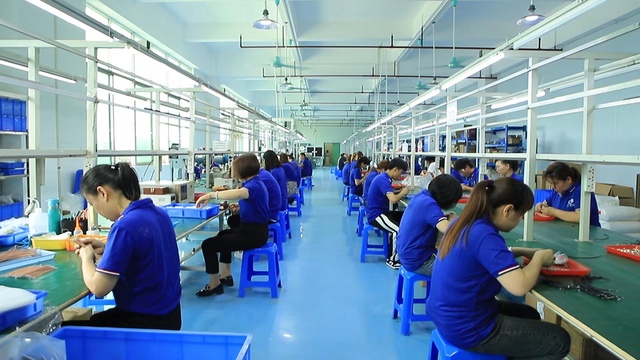
- Minimum 3,000m² facility with ESD-protected assembly zones
- SMT line capacity supporting ≥50,000 units/month
- In-house firmware flashing and functional testing stations
Cross-reference production logs with on-time delivery performance (target ≥96%) and defect rates (acceptable threshold ≤1.5%).
Transaction Safeguards
Utilize secure payment mechanisms such as irrevocable LC or third-party escrow until post-arrival quality inspection is completed. Review supplier transaction history for dispute resolution patterns and after-sales responsiveness. Pre-shipment sampling is critical—conduct packet loss, throughput, and thermal stress tests under real-world conditions before approving bulk orders.
What Are the Best TP-Link Wireless Extender Suppliers?
| Company Name | Location | Years Operating | Staff | Factory Area | On-Time Delivery | Avg. Response | Ratings | Reorder Rate |
|---|---|---|---|---|---|---|---|---|
| Supplier data not available | - | - | - | - | - | - | - | - |
Performance Analysis
Due to absence of supplier-specific data, procurement teams should prioritize partners with documented experience in consumer Wi-Fi device manufacturing. Established suppliers typically demonstrate higher reorder rates (>30%) and faster response times (<4 hours), indicators of service reliability. Prioritize facilities with ISO 9001-certified quality management systems and proven export experience to North America and EU markets. For customized firmware or regional certification support, validate engineering capacity via direct technical engagement and factory audit protocols.
FAQs
How to verify TP-Link wireless extender supplier reliability?
Validate certifications through official databases (e.g., FCC ID search, Notified Body registers). Request full BOM (bill of materials), schematic excerpts, and 8D reports for past non-conformities. Evaluate after-sales performance through independent buyer feedback focusing on warranty claim resolution and technical support availability.
What is the average sampling timeline?
Standard sample production takes 10–18 days, including programming and RF calibration. Custom configurations involving modified antennas or enclosure designs may require 25–35 days. Air freight shipping adds 5–9 days depending on destination region.
Can suppliers ship wireless extenders worldwide?
Yes, experienced manufacturers manage international logistics via FOB, CIF, or DDP terms. Confirm compliance with local telecom regulations (e.g., ISED in Canada, RCM in Australia) and that packaging includes multilingual labeling and regulatory markings. Sea freight is optimal for containerized orders exceeding 5,000 units.
Do manufacturers provide free samples?
Sample policies vary by order scale. Many suppliers waive fees for confirmed orders above 3,000 units. For trial purchases, expect to cover 40–60% of unit cost plus shipping, refundable upon mass production approval.
How to initiate customization requests?
Submit detailed specifications including Wi-Fi standard (802.11n/ac/ax), band support (2.4GHz/5GHz/6GHz), Ethernet port count, power input (AC/DC), and enclosure material (ABS/PC). Reputable suppliers deliver design proposals within 5 business days and functional prototypes within 4 weeks.





