How To Use Universal Remote








 0
0


 0
0



 1/1
1/1


 1/1
1/1


 1/3
1/3



 0
0


 1/3
1/3




 0
0


 1/3
1/3



 1/1
1/1




 1/3
1/3




 1/3
1/3


 1/2
1/2



 0
0




 1/2
1/2


 0
0




 1/3
1/3


 1/3
1/3


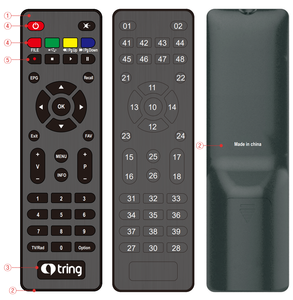

 1/1
1/1
About how to use universal remote
Where to Find Universal Remote Suppliers?
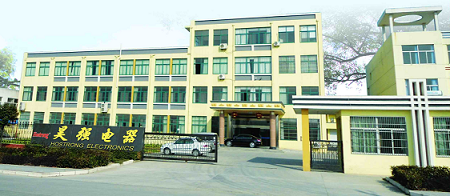
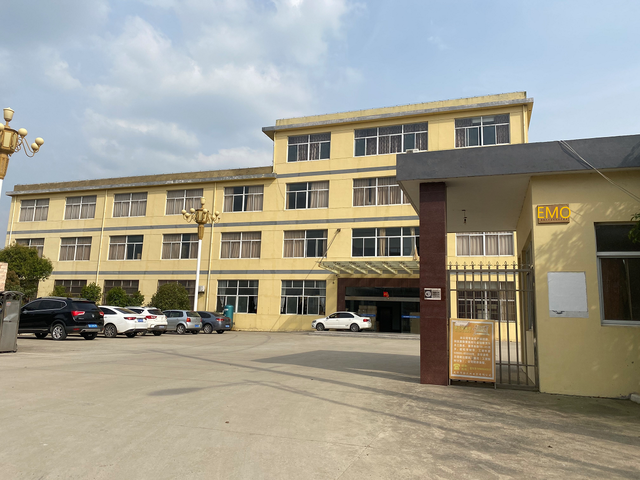
China remains the central hub for universal remote control manufacturing, with key production clusters in Guangdong and Zhejiang provinces. Guangdong, particularly the Pearl River Delta region, hosts over 70% of China’s consumer electronics OEMs, leveraging dense supplier networks for microcontrollers, infrared modules, and PCB assembly. Shenzhen and Dongguan offer integrated logistics and rapid prototyping capabilities, enabling efficient scale-up from sample to mass production.
These industrial ecosystems support vertically aligned operations—from injection molding and SMT line integration to final assembly—reducing component procurement lead times by 25–40%. Buyers benefit from compact supply chains where plastic housing suppliers, firmware developers, and testing labs operate within 30km radii. This localization enables standard order fulfillment in 20–35 days, with cost advantages of 18–30% compared to equivalent production in Southeast Asia or Eastern Europe. Customization flexibility is high, accommodating IR code database expansions, button layout modifications, and multi-brand compatibility upgrades.
How to Choose Universal Remote Suppliers?
Implement structured evaluation criteria to ensure technical reliability and operational consistency:
Quality Management Compliance
Confirm ISO 9001 certification as a baseline requirement for process control. For exports to regulated markets (EU, USA, UK), verify CE, FCC, and RoHS compliance documentation. Assess electromagnetic compatibility (EMC) test reports and battery safety certifications (e.g., UL 2054 for power components).
Production Capacity Verification
Evaluate core infrastructure indicators:
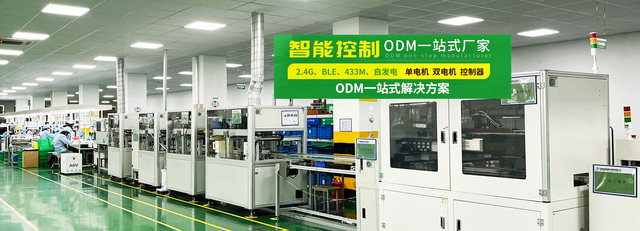
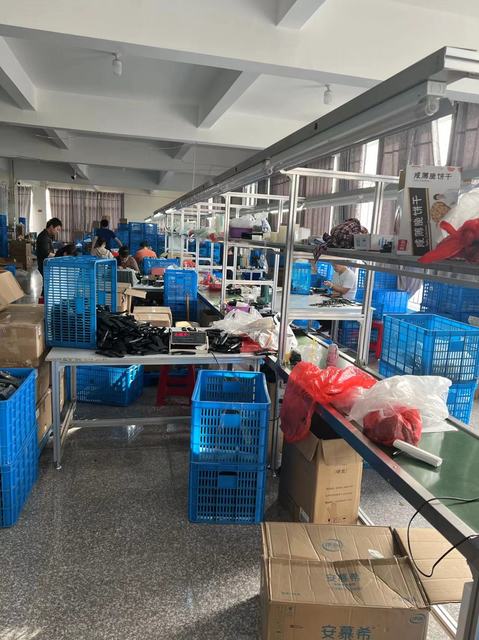
- Minimum 3,000m² factory area with dedicated SMT and assembly lines
- In-house programming stations for IR code library loading and firmware validation
- Automated optical inspection (AOI) systems for PCB quality assurance
Correlate facility size with monthly output capacity (target: ≥50,000 units) and on-time delivery performance (benchmark: ≥96%).
Procurement Risk Mitigation
Utilize secure transaction methods such as third-party escrow until post-arrival functional verification. Review supplier track records via verified trade histories, prioritizing those with documented dispute resolution protocols. Conduct pre-shipment sampling tests—validate IR signal range (minimum 8m), button cycle durability (≥50,000 presses), and code match accuracy across target TV, audio, and streaming device brands.
What Are the Best Universal Remote Suppliers?
No supplier data available for comparative analysis.
Performance Considerations
In absence of specific supplier profiles, buyers should prioritize manufacturers demonstrating transparent production workflows, verifiable compliance credentials, and responsive technical communication. Established players typically maintain response times under 4 hours and provide detailed product specification sheets including supported device databases (e.g., 300,000+ code sets), memory retention duration, and low-power consumption metrics. For volume contracts, confirm firmware update protocols and version control procedures to ensure long-term compatibility maintenance.
FAQs
How to verify universal remote supplier reliability?
Cross-validate certifications with accredited bodies. Request factory audit reports covering incoming material inspection, programming accuracy checks, and end-of-line functional testing. Analyze customer feedback focused on after-sales technical support and firmware update responsiveness.
What is the average sampling timeline?
Standard samples take 7–12 days to produce. Customized versions requiring unique button layouts or expanded brand compatibility require 15–20 days. Air freight adds 5–8 days for international delivery.
Can suppliers ship universal remotes worldwide?
Yes, experienced exporters manage global logistics via air or sea freight. Confirm Incoterms (FOB, CIF, DDP) and ensure packaging meets ISTA 3A standards for electronic goods. Battery shipping regulations (UN38.3 for lithium cells) must be strictly observed.
Do manufacturers provide free samples?
Sample policies vary. Many suppliers offer one complimentary unit for qualified buyers committing to MOQs above 1,000 pieces. Otherwise, expect to cover sample production and shipping costs, which are often credited against future orders.
How to initiate customization requests?
Submit detailed requirements including target device brands/models, desired button configuration, housing color (Pantone reference), and preferred power source (AAA, AA, rechargeable). Leading suppliers return engineering drawings within 48 hours and deliver functional prototypes within 2–3 weeks.





