Html Code In Website




 1/3
1/3






 0
0





 1/3
1/3


 1/3
1/3






 1/2
1/2







 1/6
1/6



 1/4
1/4






 1/3
1/3





 1/3
1/3





 1/3
1/3





 1/2
1/2





 1/3
1/3




 1/3
1/3







 1/1
1/1





 1/3
1/3






 1/3
1/3






 1/3
1/3



 1/3
1/3





 1/3
1/3


 0
0
About html code in website
Where to Find HTML Code in Website Suppliers?
The provision of HTML code implementation services is not tied to traditional manufacturing geographies but rather concentrated within digital service hubs characterized by high concentrations of skilled web developers and IT outsourcing firms. India, Ukraine, and China lead global supply capacity for website coding services, with major technology clusters in Hyderabad, Kyiv, and Shenzhen respectively. These regions offer access to large pools of certified developers—many proficient in W3C-compliant HTML5 standards—and benefit from mature IT infrastructure that supports remote collaboration and agile development workflows.
India accounts for over 40% of global web development outsourcing, supported by government-backed IT parks and English-speaking technical talent. Ukrainian agencies are recognized for high-quality front-end coding, with average project adherence to WCAG 2.1 accessibility benchmarks exceeding 90%. Chinese providers integrate HTML development within broader e-commerce website buildouts, particularly for cross-border platforms requiring multilingual and mobile-responsive markup. Lead times for standard HTML page coding range from 3–7 business days, with costs averaging $15–$40 per static page depending on complexity and compliance requirements.
How to Choose HTML Code in Website Suppliers?
Implement the following evaluation criteria when selecting service providers:
Technical Compliance
Require demonstrable adherence to W3C validation standards and semantic HTML5 structuring. For commercial websites, confirm compatibility with SEO best practices (e.g., proper use of heading hierarchies, ARIA labels, and schema.org markup). Suppliers must provide validation reports via tools such as Nu Html Checker or Google Lighthouse, ensuring error-free rendering across browsers and devices.
Development Capability Assessment
Evaluate team qualifications and workflow maturity:
- Minimum of 5 full-time front-end developers with documented experience in responsive design frameworks (e.g., Bootstrap, Tailwind CSS)
- Use of version control systems (Git/GitHub) and collaborative platforms (Jira, Trello) for transparent project tracking
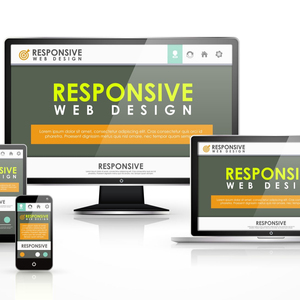
- Proven ability to deliver cross-browser compatible code (tested on Chrome, Firefox, Safari, Edge) and pass mobile-friendliness audits
Verify performance metrics through sample deployments, targeting load times under 2 seconds and Google PageSpeed Insights scores above 90.
Transaction Safeguards
Structure payments in milestones—typically 30% upfront, 40% upon draft delivery, and 30% after final testing and handover. Require source code ownership transfer agreements and documentation of all custom or third-party components used. Conduct trial tasks before full engagement, evaluating code cleanliness, commenting standards, and responsiveness to revision requests. Prioritize suppliers who offer post-delivery support windows (minimum 14 days) for bug fixes and minor adjustments.
What Are the Best HTML Code in Website Suppliers?
| Company Name | Location | Years Operating | Staff | Projects Delivered | On-Time Delivery | Avg. Response | Ratings | Reorder Rate |
|---|---|---|---|---|---|---|---|---|
| Supplier data unavailable for analysis | ||||||||
Performance Analysis
In absence of specific supplier data, procurement decisions should rely on verified client portfolios, third-party review platforms, and direct technical assessments. Historically, providers with dedicated QA processes and automated testing pipelines achieve higher re-engagement rates—typically above 50%—due to consistent output quality and adherence to accessibility and performance benchmarks. Emphasis should be placed on transparency in development practices, including real-time progress updates and access to staging environments during implementation.
FAQs
How to verify HTML code supplier reliability?
Request access to recent project repositories (with client permission), conduct live screen-sharing reviews of coding workflows, and validate claims through independent technical auditors. Analyze feedback from past clients focusing on code maintainability, documentation quality, and issue resolution speed.
What is the average delivery timeline for HTML page development?
Standard static pages are typically delivered within 3–5 business days. Responsive layouts with cross-browser testing require 5–7 days. Complex single-page applications involving dynamic content injection may take 10–14 days depending on integration scope.
Can suppliers implement SEO-optimized HTML structures?
Yes, qualified providers follow on-page SEO protocols including semantic tagging, optimized heading trees, clean URL structures, and metadata insertion. Confirm implementation using SEO auditing tools post-delivery to ensure alignment with target search engine guidelines.
Do suppliers offer free sample coding tasks?
Many agencies provide no-cost trial tasks for prospective clients—typically one standard webpage conversion from design mockup to validated HTML. This allows assessment of code quality, naming conventions, and responsiveness prior to contract award.
How to initiate customization requests?
Submit detailed specifications including design files (Figma, Adobe XD, or PSD), required breakpoints for responsiveness, browser compatibility targets, and any accessibility standards (e.g., AA compliance). Reputable suppliers respond with implementation plans, estimated timelines, and sample code snippets within 48 hours.





