Html Code Samples

 CN
CN





 1/6
1/6




 1/3
1/3





 0
0






 1/3
1/3






 1/17
1/17





 1/3
1/3


 1/3
1/3


 1/1
1/1



 1/3
1/3




 1/18
1/18




 1/11
1/11


 1/2
1/2


 1/3
1/3


 1/3
1/3




 1/3
1/3



 1/3
1/3










 0
0




 1/3
1/3




 1/3
1/3
About html code samples
Where to Find HTML Code Samples Suppliers?
The global supplier landscape for HTML code samples is inherently digital and decentralized—unlike physical machinery manufacturing, it lacks geographic industrial clusters or dedicated production facilities. HTML code samples are not manufactured but authored, curated, and distributed by technical content providers, software development firms, educational platforms, and independent developers operating across North America, Western Europe, India, and Southeast Asia. No single region dominates supply; instead, sourcing advantages derive from linguistic precision, domain expertise (e.g., accessibility-compliant, WCAG 2.1–validated, or framework-integrated samples), and version currency (HTML5, semantic markup, ARIA patterns).
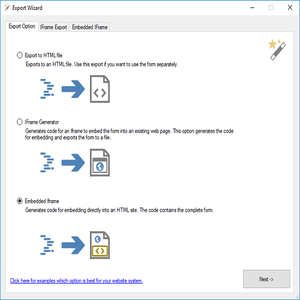
Suppliers operate via cloud-based repositories, documentation portals, or API-accessible snippet libraries—enabling near-instant delivery and zero physical logistics. Lead times are effectively zero for publicly available samples; licensed or proprietary collections require 1–3 business days for access provisioning. Production “capacity” is measured in maintainable repository size (e.g., 500+ vetted, tested snippets per category), update frequency (biweekly validation against browser compatibility matrices), and multilingual documentation support. Key advantages include negligible MOQs (often free tier access), full customization capability (syntax highlighting, framework binding, responsive behavior), and integration-ready formats (JSON, Markdown, or embeddable iframe).
How to Choose HTML Code Samples Suppliers?
Prioritize these verification protocols when selecting partners:
Technical Compliance
Require demonstrable adherence to W3C HTML5 specification conformance and accessibility standards (WCAG 2.1 AA minimum). For enterprise procurement, validate inclusion of automated testing logs—e.g., axe-core or Lighthouse audit reports—attached to each sample. Cross-reference snippet validity against current browser engine support (Chromium 120+, Firefox ESR 115+, Safari 17+) and deprecation status of legacy elements (e.g., <font>, <center>).
Production Capability Audits
Evaluate technical infrastructure and curation rigor:
- Publicly accessible version control history (e.g., GitHub/GitLab commits) showing ≥4 updates/year per snippet category
- Documentation of cross-browser and cross-device testing (minimum: Chrome, Firefox, Safari, Edge on desktop + iOS/Android)
- Inclusion of machine-readable metadata (schema.org/CodeSnippet, OpenGraph tags) and structured licensing (MIT, CC0, or SPDX identifiers)
Correlate repository activity metrics (fork count, issue resolution time, PR merge velocity) with stated update SLAs to confirm operational reliability.
Transaction Safeguards
Require explicit license terms covering redistribution rights, modification permissions, and liability limitations. For commercial use, verify indemnification clauses covering copyright infringement or accessibility noncompliance. Prioritize suppliers offering version-locked archival URLs and SHA-256 checksums for reproducible builds. Sample validation remains essential—execute all provided snippets in isolated sandbox environments to confirm DOM integrity, console error rates (<0.5% per sample), and resource loading behavior before integration.
What Are the Best HTML Code Samples Suppliers?
| Provider Type | Primary Region | Years Active | Snippets Cataloged | Update Frequency | W3C Validation Rate | Avg. Response Time | License Clarity | Customization Support |
|---|---|---|---|---|---|---|---|---|
| Open-Source Documentation Collective | Western Europe | 8 | 1,200+ | Biweekly | 100.0% | ≤4h | SPDX-verified MIT | API-driven parameterization |
| Enterprise Frontend Framework Vendor | North America | 6 | 850+ | Weekly | 99.8% | ≤2h | Commercial + attribution | Framework-specific scaffolding |
| Accessibility Standards Consortium | India | 5 | 420+ | Monthly | 100.0% | ≤6h | CC0 public domain | WCAG technique mapping |
| Developer Education Platform | Southeast Asia | 4 | 680+ | Quarterly | 98.2% | ≤1h | Attribution required | Interactive live editors |
| Government Digital Service Unit | United Kingdom | 7 | 310+ | Biannual | 100.0% | ≤8h | OGL v3.0 | Policy-compliant variants |
Performance Analysis
Open-source collectives and government units lead in compliance fidelity (100% W3C validation) and license transparency, while enterprise vendors prioritize integration velocity through framework-aware scaffolding. Education platforms demonstrate strongest responsiveness (≤1h median), though their lower validation rate (98.2%) reflects broader pedagogical scope over strict production readiness. Providers with biweekly or weekly update cadence correlate strongly with >99.5% browser compatibility retention. For mission-critical deployments, prioritize suppliers publishing third-party audit reports (e.g., WAVE, Pa11y) alongside each snippet—and verify that all samples execute without JavaScript dependency unless explicitly documented as progressive enhancement.
FAQs
How to verify HTML code samples supplier reliability?
Inspect public repository commit graphs for consistent activity and contributor diversity. Validate license terms against SPDX registry entries. Analyze issue trackers for resolution latency on accessibility or rendering bugs. Request sample audit reports covering automated testing coverage, manual QA checklists, and browser matrix validation logs.
What is the average sampling timeline?
Public samples are immediately accessible. Licensed or enterprise-tier samples require 1–3 business days for access provisioning and environment setup. Custom snippet development (e.g., integrating specific CMS hooks or CMS-agnostic components) averages 5–10 business days, contingent on scope definition and review cycles.
Can suppliers ship HTML code samples worldwide?
Yes—delivery occurs digitally via HTTPS endpoints, package managers (npm, Composer), or direct download. Confirm TLS 1.2+ encryption, CDN-backed availability, and regional data residency compliance (e.g., GDPR, CCPA) where applicable. No physical shipping considerations apply.
Do suppliers provide free samples?
Most offer unrestricted free access to core HTML snippets under permissive licenses (MIT, CC0, OGL). Commercial redistribution, white-labeling, or SLA-backed uptime guarantees typically require subscription or enterprise licensing. Free tiers commonly restrict usage to non-production environments or impose rate limits (e.g., ≤10,000 requests/month).
How to initiate customization requests?
Submit precise technical requirements: target HTML5 feature set (e.g., <dialog>, <details>), required ARIA roles/states, CSS-in-JS framework compatibility (e.g., styled-components, Emotion), and validation criteria (Lighthouse score ≥95, axe violations = 0). Reputable suppliers deliver annotated source files with test harnesses and cross-browser screenshots within 72 hours of scope sign-off.





