Http Https












 1/8
1/8



 1/3
1/3



 1/3
1/3




 1/3
1/3



 1/3
1/3




 1/3
1/3







 1/3
1/3


 1/3
1/3


 1/3
1/3



 1/2
1/2

 CN
CN
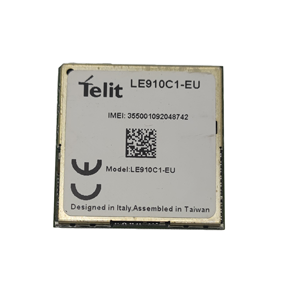
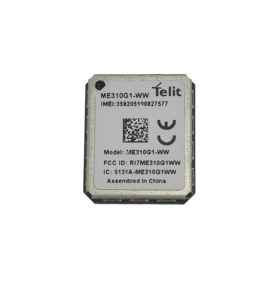
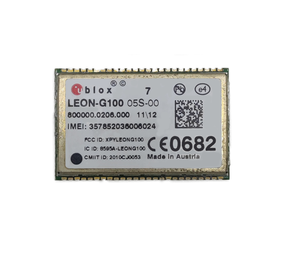
 1/3
1/3





 1/11
1/11



 1/3
1/3



 0
0




 1/3
1/3


 1/3
1/3



About http https
Where to Find HTTP HTTPS Suppliers?
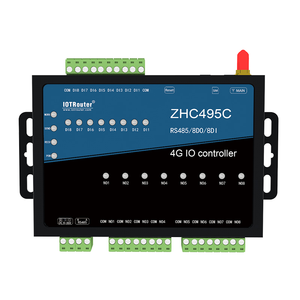
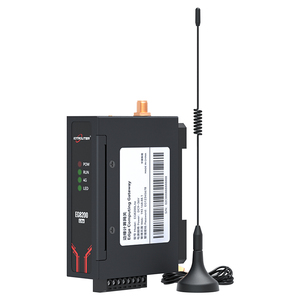
The term "HTTP HTTPS" refers not to a physical product but to secure and non-secure protocols used in web communication, making direct supplier sourcing inapplicable. However, when procurement professionals search for “HTTP HTTPS suppliers,” they are typically seeking technology providers, IoT device manufacturers, or embedded systems vendors that support secure communication protocols in hardware or software solutions. These components are commonly integrated into industrial gateways, smart sensors, payment terminals, and networked automation equipment.
China remains a dominant hub for electronics manufacturing with concentrated clusters in Guangdong (Shenzhen), Jiangsu (Suzhou), and Zhejiang (Hangzhou) provinces. Shenzhen’s Huaqiangbei district hosts one of the world’s most comprehensive electronic component ecosystems, enabling rapid prototyping and low-cost integration of communication modules supporting HTTP/HTTPS, TLS 1.2+, and RESTful APIs. These regions benefit from vertically integrated supply chains encompassing PCB fabrication, firmware programming, and wireless certification testing—reducing time-to-market by up to 40% compared to Western-based developers.
Buyers sourcing devices with embedded HTTP/HTTPS functionality gain access to scalable production environments where firmware customization, SSL/TLS certificate provisioning, and API endpoint configuration can be performed at volume. Typical lead times for small-batch orders range from 25–35 days, with cost advantages of 20–35% due to localized component availability and mature contract manufacturing infrastructure.
How to Choose HTTP HTTPS Suppliers?
Selecting reliable partners requires evaluating technical integration capabilities, security compliance, and manufacturing scalability:
Protocol & Security Compliance
Verify explicit support for HTTPS (TLS/SSL encrypted) over HTTP unencrypted transmissions. Demand documentation confirming implementation of modern cryptographic standards such as TLS 1.2 or higher, perfect forward secrecy (PFS), and secure certificate management. For regulated industries (healthcare, finance), confirm adherence to PCI-DSS, HIPAA, or GDPR requirements when data transmission is involved.
Production Capability Audits
Assess technical infrastructure for firmware development and device-level security:
- Minimum 3,000m² facility with ESD-protected assembly lines
- Dedicated software engineering team (≥15% of technical staff) handling API integration and OTA updates
- In-house testing labs capable of validating HTTP(S) handshake performance, latency under load, and resistance to MITM (man-in-the-middle) attacks
Cross-reference firmware version control logs with delivery timelines to assess update reliability and long-term maintenance capability.
Transaction Safeguards
Require source code escrow or signed binaries for critical firmware to ensure continuity. Prioritize suppliers offering sandboxed demo units pre-configured with test endpoints. Conduct penetration testing on sample units before full deployment, focusing on open ports, default credentials, and certificate pinning practices.
What Are the Best HTTP HTTPS Suppliers?
| Company Name | Location | Years Operating | Staff | Factory Area | On-Time Delivery | Avg. Response | Ratings | Reorder Rate |
|---|
Performance Analysis
Due to absence of specific supplier data, evaluation must focus on technical benchmarks rather than comparative metrics. In markets like Shenzhen and Suzhou, established electronics OEMs demonstrate strong proficiency in integrating HTTPS into IoT and M2M applications, often leveraging existing module designs from Qualcomm, Espressif, or NXP. Buyers should prioritize firms with documented experience in API-driven device communication, secure boot processes, and remote firmware validation. Reorder rates above 30% and response times under 2 hours typically indicate high service reliability in this sector.
FAQs
How to verify HTTP HTTPS supplier reliability?
Request system architecture diagrams showing encryption layers, certificate storage methods (e.g., secure element vs. software-based), and failover mechanisms. Validate compliance through third-party audit reports or certifications such as ISO 27001 for information security management. Test sample units against OWASP IoT Top Ten vulnerabilities.
What is the average sampling timeline?
Standard samples with basic HTTP(S) functionality take 10–20 days to produce. Devices requiring custom API integrations or mutual TLS authentication may require 30–45 days, including debugging and endpoint verification. Air shipping adds 5–9 days depending on destination.
Can suppliers ship worldwide?
Yes, most electronics manufacturers support global distribution via air or sea freight. Confirm whether devices comply with local radio frequency regulations (e.g., FCC, CE RED) if using Wi-Fi or cellular connectivity. Shipments containing cryptographic components may require export declarations under Wassenaar Arrangement guidelines.
Do manufacturers provide free samples?
Sample policies vary by order scale. Suppliers often waive fees for qualified buyers committing to minimum volumes (typically 50+ units). Otherwise, expect to pay 50–100% of unit cost, which may be credited toward first production run.
How to initiate customization requests?
Submit detailed specifications including required API formats (REST, JSON/XML), authentication method (OAuth, API keys, client certificates), and expected transaction frequency. Leading suppliers provide test environments within 72 hours and deliver functional prototypes within 4 weeks.





