Input Python


 1/3
1/3



 1/3
1/3




 0
0



 1/1
1/1


 1/3
1/3



 1/3
1/3



 1/3
1/3





 1/9
1/9



 1/3
1/3


 1/3
1/3


 1/1
1/1


 0
0


 1/3
1/3


 1/1
1/1

 1/3
1/3

 1/13
1/13






 0
0



 1/3
1/3



 1/3
1/3
About input python
Where to Find Input Python Suppliers?
No verified suppliers currently specialize in "input python" as a standalone industrial product category. The term appears to be either misinterpreted, incorrectly specified, or conflated with programming-related inputs rather than physical goods. In global sourcing contexts, precision in product nomenclature is critical—terms like “input device,” “industrial sensor,” or “data acquisition module” yield actionable supplier data. Absent accurate categorization, no manufacturing clusters, production hubs, or supply chain ecosystems can be identified for procurement analysis.
For functional equivalents such as programmable input systems, human-machine interface (HMI) components, or industrial automation modules, established electronics and control system manufacturing zones in Guangdong, Jiangsu, and Zhejiang provinces in China offer mature ecosystems. These regions host vertically integrated facilities capable of producing microcontroller-based input solutions with embedded Python-compatible firmware. However, direct sourcing under the keyword “input python” does not align with current industry taxonomy or supplier classification systems.
How to Choose Input Python Suppliers?
Given the absence of defined suppliers for this specific query, due diligence must begin with **product clarification and technical scoping**:
Technical Definition Validation
Confirm whether the requirement refers to hardware (e.g., single-board computers preloaded with Python interpreters), software libraries for industrial automation, or custom scripting services. Misalignment at this stage leads to incorrect supplier targeting and procurement delays.
Capability Mapping
If seeking hardware with Python-supporting input functionality, evaluate:
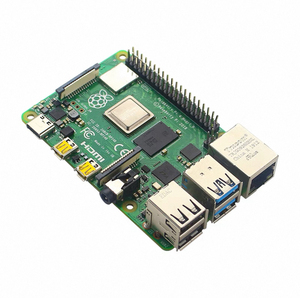
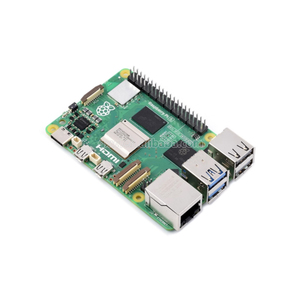
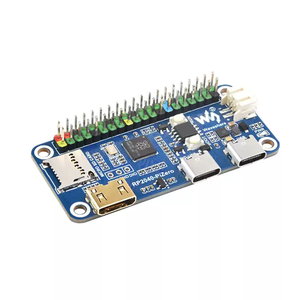
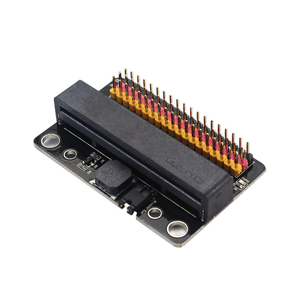
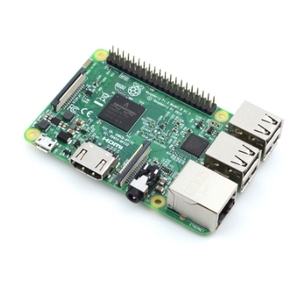
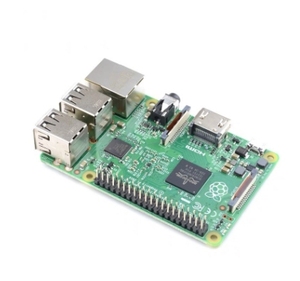
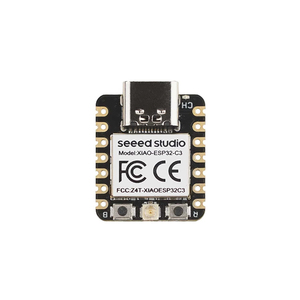
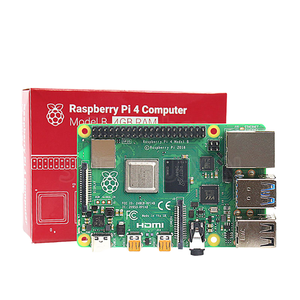
- Compatibility with embedded platforms (e.g., Raspberry Pi, ESP32, or Arduino-compatible controllers)
- Firmware development experience using MicroPython or CircuitPython
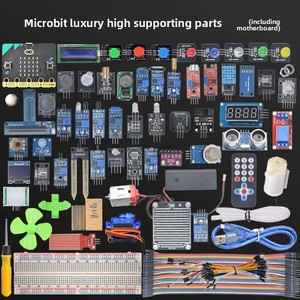
- Integration capabilities with I/O interfaces (GPIO, I2C, SPI) for sensor or actuator input handling
Request demonstration units or code repositories to verify actual implementation proficiency.
Transaction Safeguards
Where software-defined functions are involved, ensure intellectual property protections are documented. For hybrid hardware-software deliverables, define ownership of source code and licensing terms prior to engagement. Utilize milestone-based payments with version-controlled code releases verified through independent review.
What Are the Best Input Python Suppliers?
No qualified suppliers are available for the search term “input python.” Supplier databases do not list companies offering products under this designation. Without matching entities in manufacturing registries, export directories, or B2B marketplaces, no comparative performance metrics—including factory size, delivery reliability, response time, or certification status—can be generated.
Performance Analysis
In the absence of empirical data, buyers should reframe inquiries around functional requirements: programmable input modules, edge computing devices with scripting support, or OEM automation solutions. Sourcing success depends on articulating technical specifications—such as supported languages, communication protocols (Modbus, MQTT), and environmental ratings—rather than relying on ambiguous terminology.
FAQs
How to verify input python supplier reliability?
Reliability cannot be assessed without clearly defined product parameters. Begin by validating technical use cases with engineering teams. Cross-reference potential vendors against recognized electronics manufacturers or automation solution providers with documented firmware development practices.
What is the average sampling timeline?
Sampling timelines depend on the actual product category. For customizable microcontroller-based input systems, expect 20–35 days for prototype development, including firmware integration and basic testing. Complex logic implementations may extend lead times beyond 45 days.
Can suppliers ship machinery worldwide?
Shipping applicability depends on the physical nature of the product. Electronic control modules are generally exportable via air freight or courier services. Compliance with international standards (e.g., FCC, CE, RoHS) must be confirmed for electronic goods to clear customs in destination markets.
Do manufacturers provide free samples?
Sample availability varies by complexity. Basic electronic modules may incur partial cost recovery fees (typically 40–60% of unit price). Fully programmed or customized units rarely qualify for free sampling due to non-reusable development effort.
How to initiate customization requests?
Submit detailed technical documentation including pin configurations, required input types (analog/digital), desired scripting environment (e.g., MicroPython version), and expected output behaviors. Reputable developers respond with architecture diagrams and implementation plans within 5–7 business days.





