J2534 Ecu Programming Tool Producer








 Top sponsor listing





 1/3
1/3




 1/41
1/41


 1/1
1/1


 1/3
1/3



 0
0



 1/2
1/2




 1/3
1/3


 1/3
1/3



 1/3
1/3


 1/3
1/3

 0
0


 1/23
1/23



 1/3
1/3


 1/2
1/2


 1/3
1/3


 1/3
1/3

 1/3
1/3


 1/1
1/1


 1/5
1/5
About j2534 ecu programming tool producer
Where to Find J2534 ECU Programming Tool Producers?
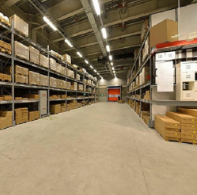
China remains the central hub for J2534 ECU programming tool manufacturing, with Shenzhen and Guangzhou in Guangdong Province serving as primary industrial clusters. These regions host vertically integrated supply chains specializing in automotive diagnostics, enabling rapid prototyping and scalable production. Shenzhen alone accounts for over 70% of global OEM/ODM output in this category, supported by a dense network of PCB fabricators, firmware developers, and electronic component suppliers operating within 30km radii.
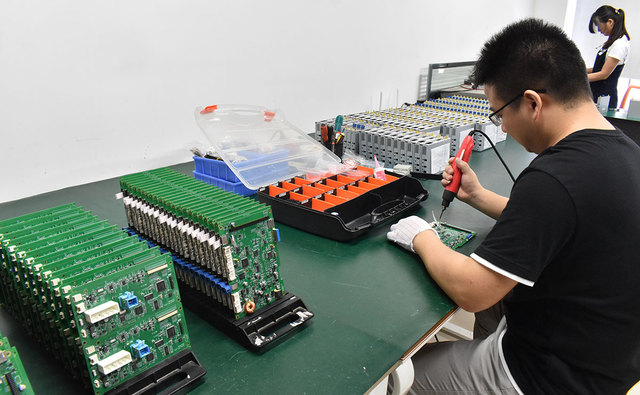
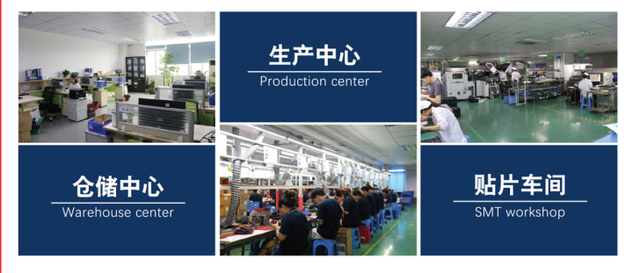
The ecosystem supports efficient cost structures—localized sourcing reduces BOM (bill of materials) expenses by 18–25% compared to non-Asian manufacturers. Production cycles benefit from automated SMT lines and in-house software validation labs, allowing standard units to be assembled and tested within 5–7 days post-components availability. Buyers gain access to flexible MOQs (as low as 1 set), fast turnaround times (typically 7–15 days for small batches), and strong customization capabilities across hardware configurations, firmware branding, and multi-language support.
How to Choose J2534 ECU Programming Tool Suppliers?
Selecting reliable producers requires rigorous evaluation across technical, operational, and transactional dimensions:
Technical & Functional Compliance
Verify adherence to SAE J2534-1 and J2534-2 standards for pass-thru programming functionality. Confirm compatibility with major OEM platforms (Ford, GM, BMW, Toyota) through documented flash enablement logs. For international markets, ensure CE, FCC, or RoHS certification where applicable. Request evidence of EMI/EMC testing and USB-CAN bus signal integrity reports.
Production and R&D Capacity
Assess core competencies through objective indicators:
- Minimum 2,000m² dedicated facility area with surface-mount technology (SMT) lines
- In-house firmware development team capable of supporting custom bootloader integration
- On-site testing rigs simulating vehicle ECUs, CAN FD networks, and OBD-II protocols
Cross-reference supplier claims with on-time delivery rates above 96% and response times under 3 hours to validate operational responsiveness.
Transaction Security & Quality Assurance
Prioritize suppliers offering third-party payment protection such as trade assurance programs. Analyze reorder rates as a proxy for product reliability—rates exceeding 15% indicate customer satisfaction with device durability and software stability. Conduct pre-shipment inspections focusing on PCB soldering quality, housing material integrity, and functional verification across multiple vehicle makes.
What Are the Leading J2534 ECU Programming Tool Producers?
| Company Name | Location | Online Revenue | Main Product Focus | On-Time Delivery | Avg. Response | Reorder Rate | Customization Options |
|---|---|---|---|---|---|---|---|
| Shenzhen Zhitong Automotive Technology Co., Ltd. | Shenzhen, CN | US $130,000+ | Diagnostic Tools, Gear Boxes, Vehicle Tools | 97% | ≤2h | 16% | Limited |
| Shenzhen Deyixing Technology Co., Ltd. | Shenzhen, CN | US $20,000+ | Diagnostic Tools, Motorcycle Electrical Systems | 97% | ≤3h | <15% | Limited |
| Shenzhen Acartool Auto Electronics Co., Ltd. | Shenzhen, CN | US $110,000+ | ECU Programming, Key Programming, Odometer Correction | 98% | ≤3h | <15% | Yes (color, language, logo, packaging, function) |
| Qingxin Tech (Guangzhou) Co., Ltd. | Guangzhou, CN | US $10,000+ | Vehicle Keys, Diagnostic Tools | 100% | ≤2h | 19% | Limited |
| Shenzhen York Technology Co., Ltd. | Shenzhen, CN | US $140,000+ | Diagnostic Tools, Car Lifts, Vehicle Keys | 96% | ≤6h | 17% | Limited |
Performance Analysis
Shenzhen York Technology leads in annual online revenue (US $140,000+), indicating high-volume sales performance, while Qingxin Tech achieves the highest on-time delivery rate (100%) and reorder rate (19%), suggesting strong reliability and end-user satisfaction. Shenzhen-based firms dominate market presence, with three of five suppliers reporting revenues exceeding US $100,000 annually. Shenzhen Acartool stands out for extensive customization options, including firmware labeling, diagnostic functions, and graphic interface modifications—critical for private-label buyers. Although response times are generally fast (≤3h for most), Shenzhen York’s ≤6h average may affect urgent procurement timelines despite its higher revenue volume.
FAQs
What certifications should J2534 tool suppliers have?
At minimum, look for CE, FCC, and RoHS compliance for electromagnetic compatibility and environmental safety. While ISO 9001 is not explicitly listed in available data, it is recommended for quality management system validation. Some advanced suppliers may also provide ISO/IEC 17025-accredited test reports for signal transmission accuracy.
What is the typical lead time for bulk orders?
Standard lead times range from 7 to 20 days depending on order size and customization level. Unmodified units (e.g., SM2-Pro variants) ship within 7–10 days, while fully branded tools with custom firmware require 12–20 days. Add 3–7 days for air freight to North America or Europe.
Can suppliers support private labeling and firmware modification?
Yes, select manufacturers like Shenzhen Acartool offer comprehensive OEM services including logo imprinting, packaging design, language localization, and functional enhancements such as odometer correction or key programming modules. Confirm API access or SDK availability if integrating with existing diagnostic platforms.
What are common MOQs for J2534 devices?
Most suppliers accept MOQs as low as 1 unit for sample testing. Bulk pricing typically begins at 10–50 units, with incremental discounts up to container-load quantities. Battery-powered or multi-brand compatible models may carry higher minimums due to specialized components.
How to verify product functionality before large orders?
Request live demonstration videos showing successful J2534 passthru flashing on vehicles from multiple brands. Obtain sample units to validate connection stability, update frequency, and software interface clarity. Test against known ECU types using manufacturer-recommended procedures to confirm protocol coverage (CAN, PWM, VPW, ISO).





