Java Supplier Example












 CN
CN












































 CN
CN








About java supplier example
Where to Find Java Supplier Solutions?
China has emerged as a key hub for software development and IT services, with specialized technology clusters in Shenzhen, Hangzhou, and Shanghai offering robust ecosystems for Java-based solutions. Shenzhen hosts a dense network of tech firms specializing in embedded systems, smart hardware integration, and API-driven e-commerce platforms, leveraging proximity to electronics manufacturing zones. Hangzhou’s digital economy infrastructure supports agile software-as-a-service (SaaS) providers, particularly those focused on cross-border e-commerce automation. Shanghai combines strong R&D talent pools with enterprise-grade application development capabilities, enabling complex backend system design and deployment.
These regional hubs provide access to vertically integrated development workflows—from requirement analysis to deployment and maintenance—supported by skilled engineering teams fluent in Java, Spring Boot, and microservices architecture. Buyers benefit from streamlined project execution, with typical lead times ranging from 4 to 12 weeks depending on scope. The concentration of technical expertise allows for rapid prototyping, scalable customization, and integration with third-party logistics or marketplace APIs. Cost efficiencies are further enhanced by localized support networks and standardized development frameworks that reduce time-to-deployment by up to 40% compared to Western counterparts.
How to Choose Java Supplier Partners?
Evaluate potential suppliers using the following criteria to ensure technical reliability and transactional security:
Technical Expertise Verification
Confirm demonstrated experience in core Java technologies including J2EE, JDBC, Hibernate, and Spring ecosystem tools. For integration projects involving e-commerce platforms or RFID systems, assess prior work with RESTful APIs, OAuth protocols, and database synchronization. Review code samples or request sandbox demonstrations where feasible.
Development Capability Assessment
Analyze supplier infrastructure through available indicators:
- Dedicated R&D teams with documented response times ≤8 hours
- Proven track record in full-cycle development: planning, coding, testing, deployment
- Support for customization across UI/UX, data models, and integration endpoints
Cross-reference product listings with on-time delivery performance (target ≥97%) to validate operational consistency.
Transaction and Quality Safeguards
Prioritize suppliers offering structured service agreements and milestone-based delivery. Where applicable, use secure payment escrow mechanisms until final acceptance testing is completed. Evaluate customer feedback focusing on post-delivery support responsiveness and bug resolution timelines. Request documentation of version control practices and rollback procedures before contract finalization.
What Are the Leading Java Supplier Companies?
| Company Name | Location | Core Services | Min. Order Value | Order Unit | On-Time Delivery | Avg. Response | Customization Options | Reorder Rate |
|---|---|---|---|---|---|---|---|---|
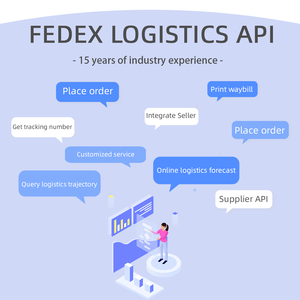
| HANGZHOU ALLROOT Software Co., Ltd. | Hangzhou, CN | E-commerce API integration, Shopify/Wayfair/Ebay automation | $100 | 1 piece | 100% | ≤4h | Color, logo | - |
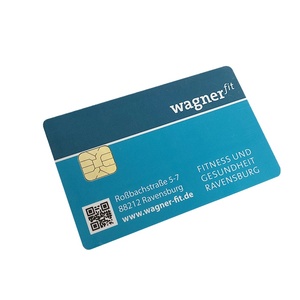
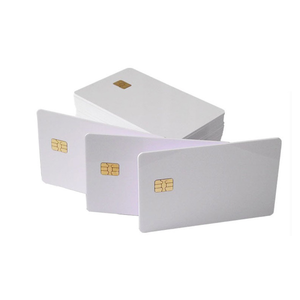
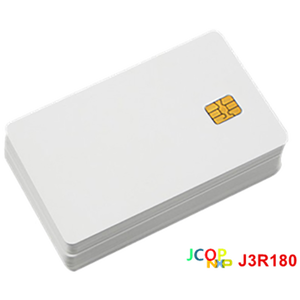
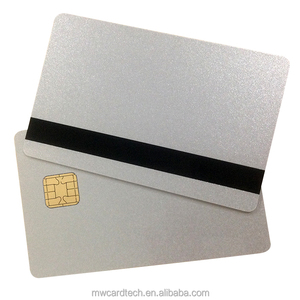
| Shenzhen DCCO Technology Co.,Ltd | Shenzhen, CN | JavaCard chip supply, EMV card solutions, GP platform customization | $2 | 50 pieces | 97% | ≤2h | Color, material, size, logo, packaging, label, graphics | 33% |
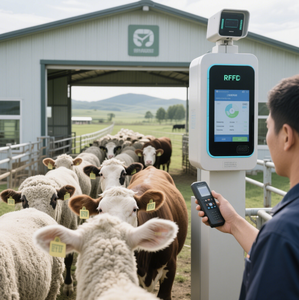
| Shenzhen Zizhu Smart Technology Co., Ltd | Shenzhen, CN | RFID-enabled web applications, garment inventory systems, RPA automation | $1,000 | 1 case | 100% | ≤5h | - | - |
| Shanghai Honghuan Network Technology Co., Ltd. | Shanghai, CN | Desktop and mobile app development, procurement management, agent systems | $500 | 1 set | 100% | ≤2h | - | - |
| Shenzhen Douples Technology Co., Ltd. | Shenzhen, CN | User authorization systems, API integration, Wayfair data services | $2,000 | 1 unit | 100% | ≤8h | - | - |
Performance Analysis
Suppliers like HANGZHOU ALLROOT and Shenzhen Douples specialize in high-precision API integrations for e-commerce platforms, offering low entry barriers with $100–$2,000 minimum orders suitable for pilot deployments. Shenzhen DCCO stands out for hardware-software synergy, providing JavaCard chips with extensive customization and a 33% reorder rate, indicating strong client retention. Enterprise-scale developers such as Shenzhen Zizhu and Shanghai Honghuan focus on comprehensive system builds—ranging from RFID tracking to multi-store operations—with higher minimum investments reflecting project complexity. All top-tier suppliers maintain 100% on-time delivery rates except Shenzhen DCCO (97%), while response times range from ≤2h to ≤8h, highlighting Shenzhen and Shanghai’s competitive advantage in client engagement speed. For mission-critical deployments, prioritize vendors with documented customization workflows and proven integration histories.
FAQs
How to verify a Java supplier's technical reliability?
Review product descriptions for specificity in technology stack usage (e.g., Spring Boot, Maven, MySQL). Request case studies or demo access for similar implementations. Validate claims through direct technical inquiries and assess response accuracy and depth.
What is the typical development timeline for custom Java applications?
Standard modules such as order synchronization or logistics query systems require 4–6 weeks. Complex enterprise applications involving multi-system integration or real-time data processing may take 8–12 weeks. Prototypes are typically delivered within 2–3 weeks for approved specifications.
Can Java suppliers integrate with international e-commerce platforms?
Yes, several suppliers offer pre-built connectors for eBay, Wayfair, and Shopify, supporting automated order handling, inventory updates, and after-sales service routing via secure API gateways. Custom integrations can be developed upon submission of API documentation and authentication credentials.
Do suppliers offer post-deployment support?
Most suppliers provide basic troubleshooting and bug fixes during initial rollout. Extended SLAs covering updates, scaling, and feature enhancements are available under negotiated service contracts. Clarify support duration and escalation paths before project initiation.
How to initiate a customization request?
Submit detailed functional requirements including user roles, data fields, integration points, and UI preferences. Reputable suppliers will respond with a scope proposal, timeline estimate, and modular breakdown within 72 hours. Provide test environment access early to accelerate validation cycles.





