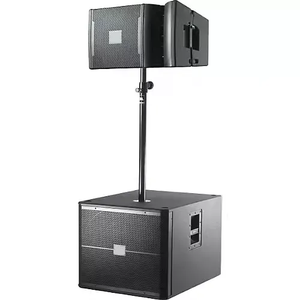
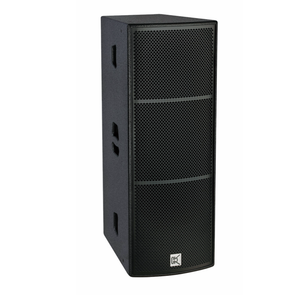
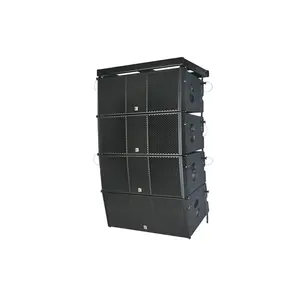
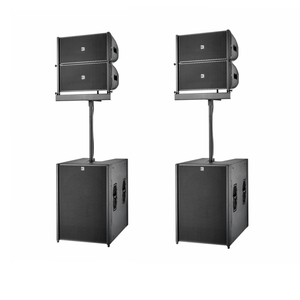
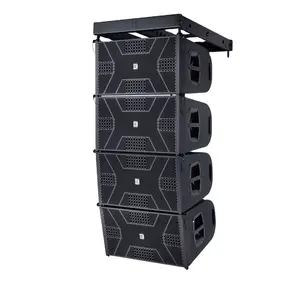
Jbl Line Array







 1/20
1/20




 1/36
1/36




 0
0


 1/2
1/2


 1/12
1/12




 1/3
1/3



 1/3
1/3


 1/3
1/3


 1/27
1/27

 1/3
1/3




 1/3
1/3


 0
0


 1/3
1/3


 1/3
1/3




 1/3
1/3




 1/17
1/17




 1/18
1/18



 1/3
1/3



 1/3
1/3


 1/3
1/3
About jbl line array
Where to Find JBL Line Array Supplier Manufacturers?
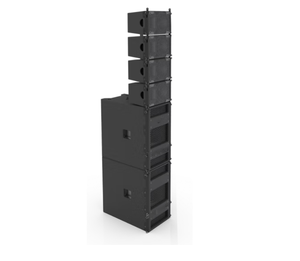
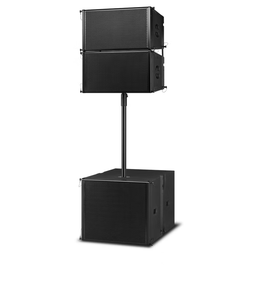
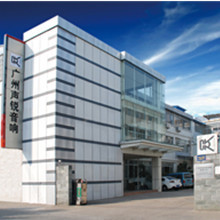
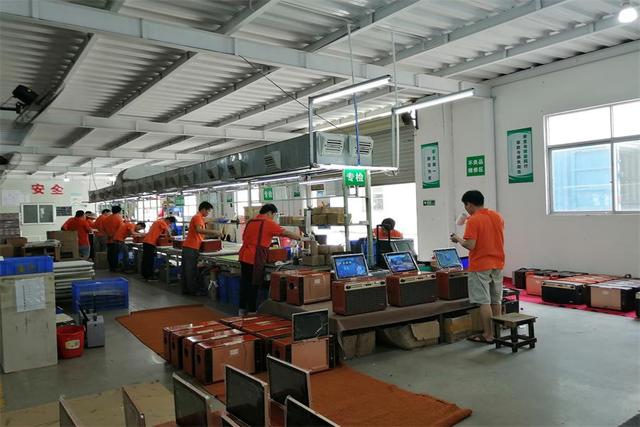
China remains the central hub for professional audio equipment manufacturing, with key industrial clusters in Guangdong and Zhongshan provinces driving production of line array speaker systems. These regions host vertically integrated supply chains encompassing cabinet fabrication, driver assembly, crossover design, and final system integration. Guangdong alone accounts for over 70% of China’s exported sound reinforcement systems, supported by localized access to neodymium magnets, compression drivers, and marine-grade plywood—critical materials for high-output line array construction.
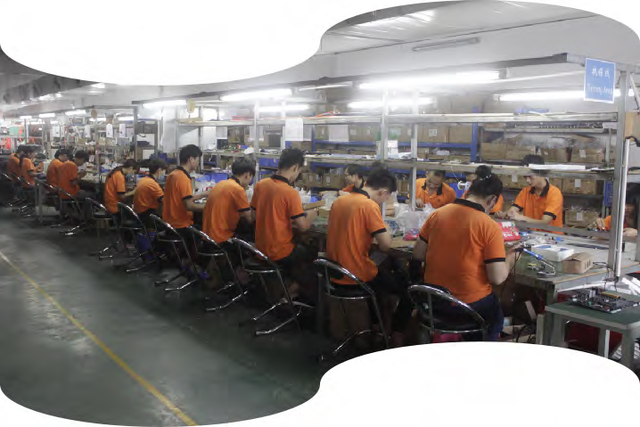
The concentration of specialized subcontractors enables rapid prototyping and scalable production. Facilities within these zones typically operate under ISO-compliant quality management systems and maintain in-house R&D teams focused on acoustic modeling and thermal performance optimization. Buyers benefit from lead times averaging 15–30 days for standard configurations, with customization options including horn profiles, rigging hardware, and DSP integration. The proximity of raw material suppliers reduces component procurement cycles by up to 40%, contributing to a 20–30% cost advantage over Western-based manufacturers.
How to Choose JBL Line Array Suppliers?
Selecting reliable suppliers requires systematic evaluation across technical, operational, and transactional dimensions:
Technical Capability Verification
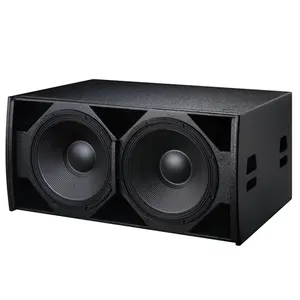
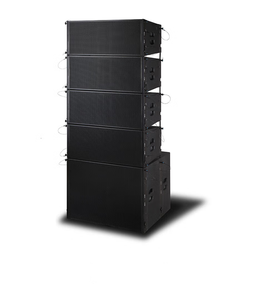
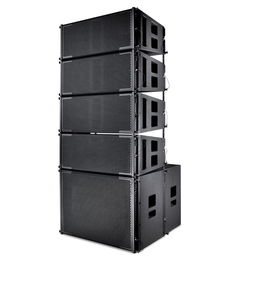
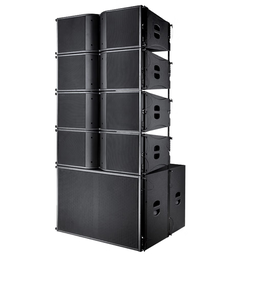
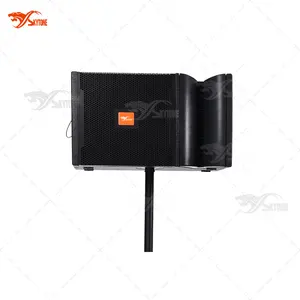
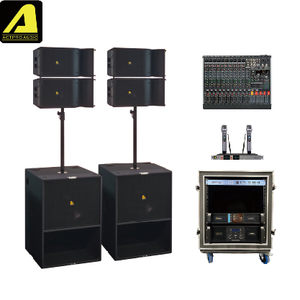
Confirm supplier expertise in multi-way speaker design, particularly dual 10-inch, dual 15-inch, and single 12-inch configurations common in touring and fixed-installation arrays. Review product specifications for crossover networks, power handling (RMS/Peak), sensitivity ratings, and dispersion patterns. Suppliers should provide SPL data and directivity index charts upon request.
Production Infrastructure Assessment
Evaluate manufacturing capacity through objective metrics:
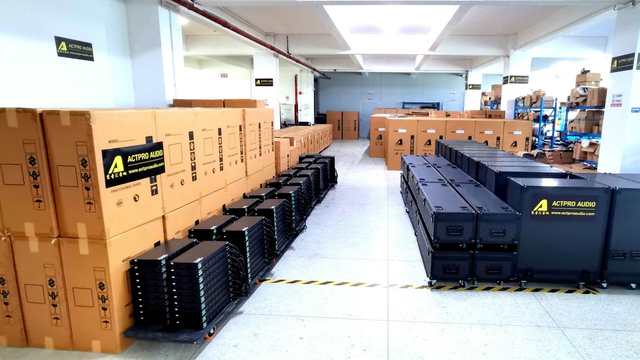
- Minimum factory area exceeding 3,000m² for sustained volume output
- In-house woodworking, metal stamping, and coil winding capabilities
- Dedicated anechoic chambers or test bays for frequency response validation
Cross-reference online revenue indicators and order fulfillment rates (target ≥95%) to assess operational stability.
Quality & Compliance Protocols
Prioritize suppliers with documented adherence to international standards such as IEC 60268-5 (loudspeaker performance) and RoHS (hazardous substance restrictions). While formal ISO 9001 certification may not always be listed, consistent on-time delivery (>95%) and low defect return rates are practical proxies for process discipline. Request sample units to verify build quality, paint finish durability, and connector integrity.
What Are the Top JBL Line Array Suppliers?
| Company Name | Location | Verified Status | Online Revenue | On-Time Delivery | Avg. Response | Reorder Rate | Customization Options | Min. Order Quantity |
|---|---|---|---|---|---|---|---|---|
| Zhongshan Tigris Technology Co., Ltd. | Zhongshan, CN | Multispecialty Supplier | US $440,000+ | 97% | ≤6h | 22% | Yes | 1–8 sets |
| Enping Nuoxun Electroacoustic Technology Equipment Factory | Enping, CN | Custom Manufacturer | US $100,000+ | 100% | ≤2h | 16% | Yes | 1 piece |
| Guangdong Aiyinmei Digital Technology Co., Ltd. | Guangdong, CN | - | US $1,000+ | 100% | ≤6h | <15% | No | 5 pieces/sets |
| Dongguan A Friend Industrial Co., Ltd. | Dongguan, CN | - | US $250,000+ | 100% | ≤2h | 25% | No | 100–500 pieces |
| Shenzhen Shaohua Industrial Co., Ltd. | Shenzhen, CN | Multispecialty Supplier | US $1,800,000+ | 95% | ≤6h | 26% | Yes | 1–2 sets |
Performance Analysis
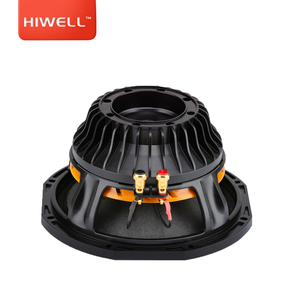
Shenzhen Shaohua Industrial leads in transaction volume with US $1.8M+ online revenue and flexible MOQs starting at one set, making it suitable for small-scale buyers and integrators. Enping Nuoxun and Dongguan A Friend stand out for responsiveness (≤2h average reply time) and perfect on-time delivery records, though their focus on bulk components suggests stronger fit for OEM partnerships. Zhongshan Tigris offers comprehensive customization across color, logo, packaging, and labeling—ideal for private-label deployments. Notably, Dongguan A Friend lists unusually low per-unit prices ($5.99–$23.99), indicating production of individual drivers or subassemblies rather than full-range enclosures. Buyers seeking turnkey systems should prioritize suppliers offering complete passive/active line array models with documented power ratings and rigging points.
FAQs
How to verify JBL line array supplier credibility?
Cross-check stated technical parameters with independent lab measurements when available. Request evidence of export history to North America or Europe, where compliance with safety and EMC regulations is strictly enforced. Analyze customer reviews for consistency in packaging quality, terminal durability, and long-term weather resistance.
What is the typical sampling timeline for line array systems?
Standard sample production takes 10–20 days depending on complexity. Active models with integrated amplifiers or digital signal processing may require 25–35 days. Air freight shipping adds 5–10 days internationally. Some suppliers offer expedited 7-day sampling for validated buyers.
Can suppliers accommodate custom branding and packaging?
Yes, leading suppliers like Zhongshan Tigris and Shenzhen Shaohua support full branding services, including CNC-engraved logos, custom paint finishes, branded grilles, and retail-ready packaging. Minimum order thresholds typically apply (e.g., 50+ units).
Do manufacturers provide technical drawings and mounting templates?
Reputable suppliers supply dimensioned CAD files, polar response plots, and rigging geometry templates upon formal inquiry. Verify compatibility with industry-standard flying hardware (e.g., M8/M10 inserts, omega brackets) before deployment planning.
Are there options for active (powered) line array systems?
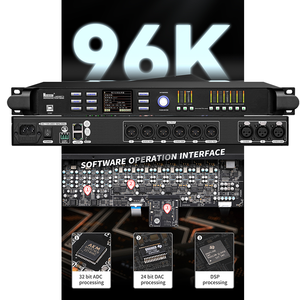
Yes, several suppliers list active configurations with built-in Class D amplifiers and FIR filtering. Confirm cooling mechanisms, input connectivity (XLR, EtherCon), and remote monitoring capability (via AES70 or proprietary protocols) during specification review.





