Json Converter


 1/3
1/3


 1/3
1/3





 1/3
1/3


 1/3
1/3







 1/37
1/37





 1/3
1/3




 0
0


 1/3
1/3


 1/3
1/3




 1/3
1/3




 1/3
1/3





 1/2
1/2




 1/3
1/3


 0
0




 0
0
About json converter
Where to Find JSON Converter Suppliers?
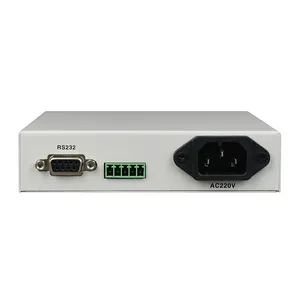
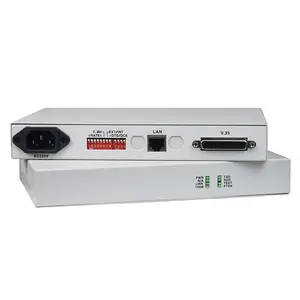
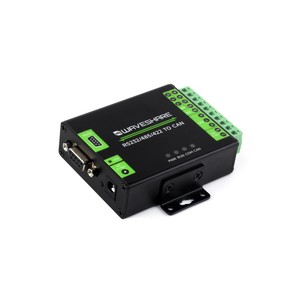
The global supply base for JSON converters—devices or software-hardware integrated systems used to transform JSON data into structured formats such as XML, CSV, or binary—is highly decentralized, with key development and manufacturing activity concentrated in technology hubs across China, India, and Eastern Europe. Unlike heavy industrial equipment, these solutions often originate from electronics and embedded systems clusters where firmware development, PCB fabrication, and data processing expertise converge.
In China, Shenzhen’s electronics ecosystem provides rapid prototyping and low-volume production capabilities, supported by access to component distributors, contract manufacturers, and firmware engineers within the same industrial zone. This integration enables turnkey development of hardware-based JSON conversion tools with lead times as short as 15–20 days for initial samples. In India, Bengaluru and Pune host engineering-focused firms specializing in middleware solutions that combine API gateways with real-time data transformation, leveraging local software talent pools. Meanwhile, Ukrainian and Polish suppliers offer strong backend development capacity, particularly for enterprise-grade converters compliant with REST/SOAP standards and secure data handling protocols.
These regions benefit from mature IT infrastructure and vertical specialization in data interoperability tools. Buyers gain flexibility in deployment models—on-premise hardware converters, cloud-based APIs, or hybrid modules—with scalable pricing structures based on throughput (e.g., MB/s or transactions per second). Typical advantages include 30–40% lower development costs compared to North American or Western European vendors and support for custom schema mapping, encryption (AES-256), and protocol translation (HTTP/MQTT/CoAP).
How to Choose JSON Converter Suppliers?
Selecting a reliable supplier requires rigorous evaluation across technical, operational, and compliance dimensions:
Technical Compliance
Ensure adherence to relevant data exchange and security standards. For regulated industries (finance, healthcare), confirm support for HIPAA, GDPR, or SOC 2 frameworks where applicable. Hardware-based units should comply with RoHS and CE directives for electromagnetic compatibility (EMC) and environmental safety. Software-centric solutions must document API stability, version control (e.g., OpenAPI 3.0), and error logging mechanisms.
Production Capability Audits
Assess both software development maturity and hardware fabrication scale:
- Minimum 3-year track record in data format conversion tools
- Demonstrated R&D capability in parsing algorithms (e.g., SAX vs DOM handling for large JSON files)
- Support for multi-threaded processing and batch operations
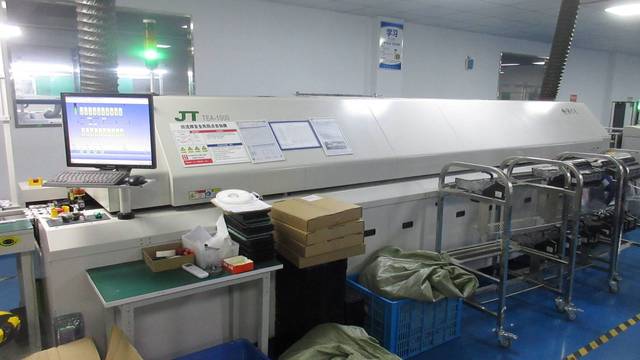
Verify scalability through load testing reports showing performance at >1GB input volumes. For physical devices, confirm PCB assembly quality via IPC-A-610 certification and in-house testing under variable temperature/humidity conditions.
Transaction Safeguards
Utilize milestone-based payment terms tied to deliverables: schema design approval, beta release, and final validation. Require source code escrow agreements when licensing proprietary conversion engines. Evaluate transaction reliability using verifiable client references and third-party review platforms. Pre-deployment testing is critical—validate accuracy against edge cases such as nested arrays, Unicode encoding, and null value handling before full rollout.
What Are the Best JSON Converter Suppliers?
No supplier data is currently available for this category.
Performance Analysis
Without active supplier profiles, procurement focus should shift to capability-based screening. Prioritize vendors demonstrating documented experience in high-fidelity data transformation projects, especially those involving legacy system integration or IoT telemetry processing. Emphasis should be placed on transparency in conversion logic, audit trail generation, and fault recovery mechanisms. When evaluating emerging suppliers, request proof-of-concept implementations scoped to representative use cases before contractual commitment.
FAQs
How to verify JSON converter supplier reliability?
Audit development practices through code reviews or third-party penetration testing. Confirm compliance with data protection regulations applicable to your jurisdiction. Analyze customer feedback focused on uptime, parsing accuracy, and technical documentation clarity. For hardware units, inspect BOM traceability and component sourcing policies.
What is the average sampling timeline?
Software-based converters typically deploy test environments within 3–7 days. Custom firmware or dedicated hardware units require 15–25 days for prototype delivery, depending on interface complexity (e.g., RS-485, Ethernet, USB-C). Add 5–10 days for international shipping if physical units are involved.
Can suppliers ship JSON converters worldwide?
Yes, digital distribution supports global deployment of software and cloud-hosted converters. Physical units are exportable under standard electronics trade classifications. Confirm whether firmware includes region-specific compliance settings (e.g., language encoding, timezone handling) and whether power adapters meet local voltage requirements (110V/220V).
Do manufacturers provide free samples?
Sample availability varies. SaaS-based converters often include free trial tiers with rate-limited throughput. Hardware suppliers may waive fees for qualified buyers placing anticipated orders above 10 units. Otherwise, expect sample costs covering 40–60% of unit production expenses, refundable upon bulk purchase.
How to initiate customization requests?
Submit detailed requirements including input/output formats, field mapping rules, character encoding (UTF-8, UTF-16), and error handling preferences (skip, abort, log). For hardware, specify I/O interfaces, mounting type, and environmental ratings. Reputable suppliers deliver functional specifications and test plans within 5 business days and provide sandbox access for validation.





