

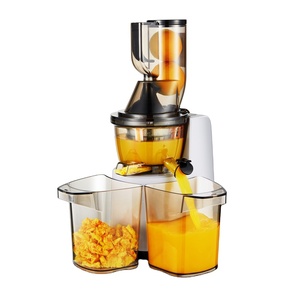


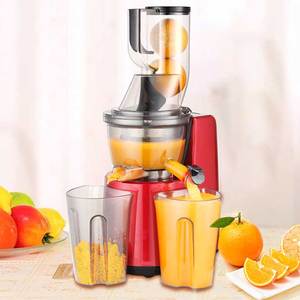

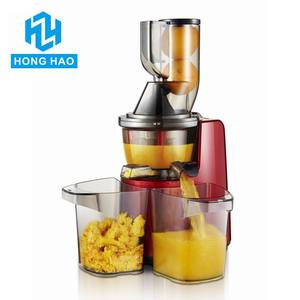
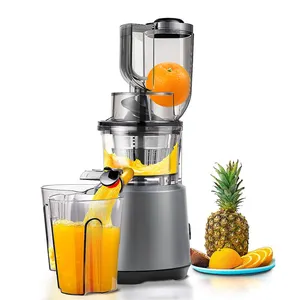
Juice Maker Juice Maker













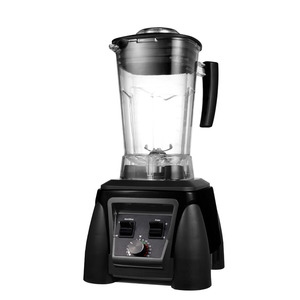


 Top sponsor listing




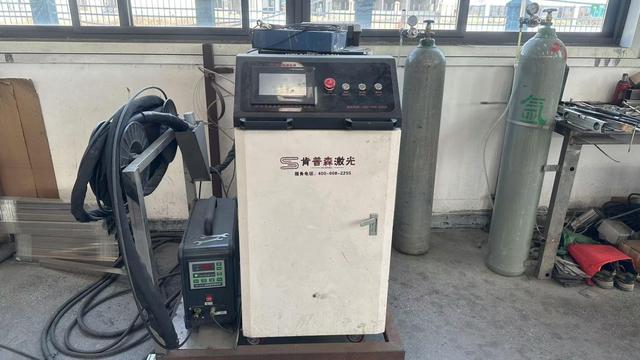

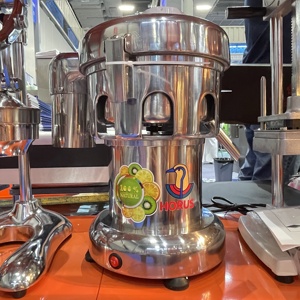

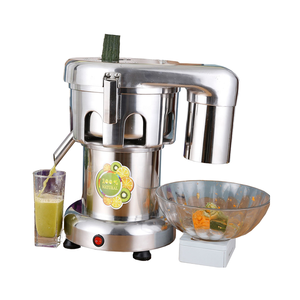



















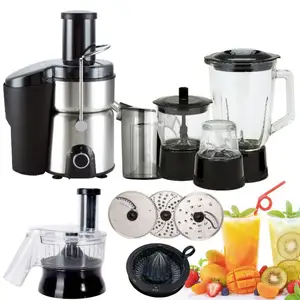

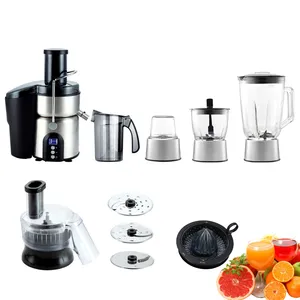
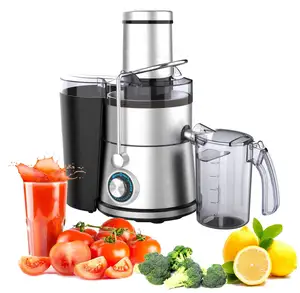


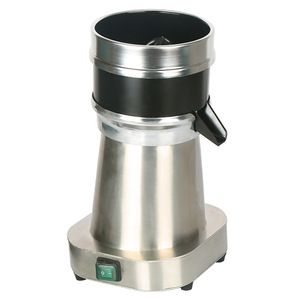




























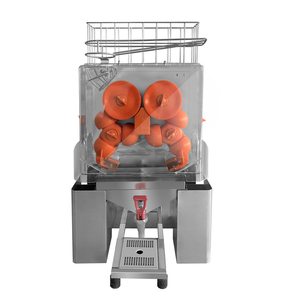
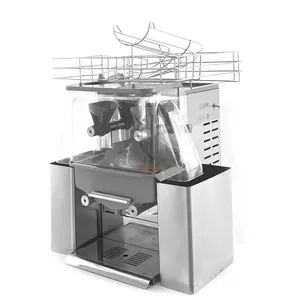



About juice maker juice maker
Where to Find Juice Maker Suppliers?
China remains the dominant hub for juice maker manufacturing, with key production clusters in Guangdong, Zhejiang, and Henan provinces. These regions host vertically integrated supply chains that support rapid prototyping and scalable production. Shenzhen and Yongkang are particularly notable—Shenzhen for its advanced electronics integration in smart appliances, and Yongkang for its specialization in durable commercial-grade juicing equipment.
The industrial ecosystem enables efficient sourcing of core components such as stainless steel augers, cold-press mechanisms, and motor assemblies. Suppliers benefit from localized access to molds, injection molding facilities, and electronic control units, reducing lead times by 20–30% compared to offshore alternatives. Average production cycles range from 25 to 40 days for standard orders, with some suppliers offering expedited fulfillment within 15 days for repeat or small-batch purchases.
How to Choose Juice Maker Suppliers?
Procurement decisions should be guided by verified operational metrics and technical capabilities:
Performance & Reliability Indicators
Prioritize suppliers with documented on-time delivery rates exceeding 95%. Response time under 2 hours correlates strongly with post-order responsiveness. Reorder rates below 20% may indicate niche focus or limited scalability, whereas rates above 20% suggest strong customer retention—particularly relevant for long-term partnerships.
Production and Customization Capacity
Assess customization depth beyond basic color or logo changes. Leading suppliers offer modifications in:
- Jar capacity (ranging from 420ml personal units to 2L commercial models)
- Noise reduction features (soundproof covers, low-decibel motors)
- Power specifications (110V/220V compatibility, plug types)
- Speed control systems (pulse functions, multi-speed settings)
- Material compliance (BPA-free plastics, food-grade stainless steel)
Suppliers with dedicated R&D teams can implement functional upgrades such as auto-sensor feeding, container detection, or energy-efficient drive sockets within 4–6 weeks.
Quality Assurance Protocols
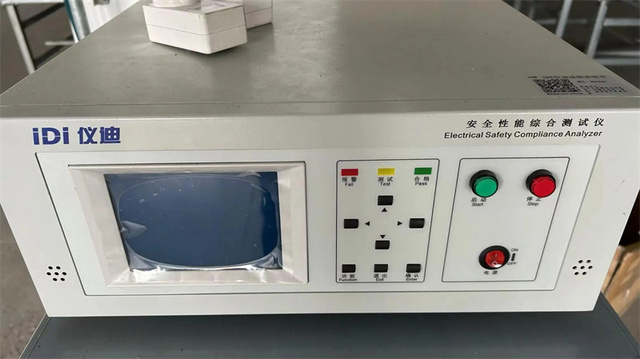
While formal ISO certification is not universally listed, many suppliers adhere to internal quality management systems validated through third-party transaction platforms. Look for evidence of product testing for electrical safety, motor durability, and material resistance to acidic juices. CE or RoHS alignment is common among exporters targeting European markets, though explicit documentation must be requested during due diligence.
What Are the Best Juice Maker Suppliers?
| Company Name | Main Products (Listings) | On-Time Delivery | Avg. Response | Reorder Rate | Online Revenue | Customization Scope |
|---|---|---|---|---|---|---|
| Shenzhen Combine Electrical Co., Limited | Blenders (402), Blender Parts (76), Juicers (3) | 94% | ≤1h | <15% | US $800,000+ | Motor color, blade type, housing, cup/jar size, speed controls, noise level, packaging, labels, graphics |
| Luohe Langrui Electromechanical Equipment Co., Ltd. | Commercial Juice Makers (5 listed) | 99% | ≤2h | <15% | US $410,000+ | Color, material, size, logo, packaging, graphic design |
| Yongkang Tiange Electric Co., Ltd. | Juicers (122), Ice Crushers (304) | 100% | ≤6h | 21% | US $70,000+ | Limited customization; focused on cost-effective mass production |
| Wenzhou Zhuote Technology Co., Ltd. | Fruit & Vegetable Tools (126), Juicers (35) | 99% | ≤2h | <15% | US $100,000+ | Compact, portable designs; customization on bottle-jar integration and USB charging |
| Changzhou Xunke Commercial Equipment Co., Ltd. | Vending Machines (655), Commercial Juice Extractors (174) | 95% | ≤2h | 17% | US $420,000+ | High-end commercial units; supports self-service kiosk integration and automated citrus pressing |
Performance Analysis
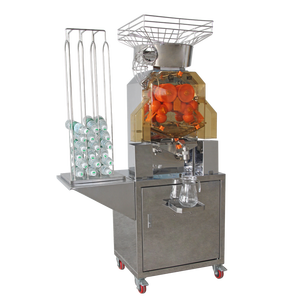
Shenzhen Combine leads in customization breadth, supporting detailed modifications across mechanical and aesthetic parameters—ideal for branded private-label development. Luohe Langrui demonstrates high reliability (99% on-time delivery) with mid-range pricing, suitable for commercial clients seeking premium stainless steel cold-press models. Yongkang Tiange offers competitive pricing ($124–$198/unit) and a strong reorder rate (21%), indicating market acceptance of its heavy-duty A3000 series. Wenzhou Zhuote specializes in ultra-low-cost portable juicers (from $1.50/unit at MOQ 60), targeting disposable or promotional use cases. Changzhou Xunke stands out in automation, producing fully automatic and self-service juice dispensing machines priced from $280 to $2,300 per unit.
FAQs
What is the typical minimum order quantity (MOQ) for juice makers?
MOQ varies by supplier and model type. Portable personal juicers often have MOQs of 10–60 pieces, while commercial units typically require 1–2 sets. Some suppliers allow single-unit sampling at elevated prices.
How long does production and shipping take?
Manufacturing lead time averages 25–40 days after sample approval. Air freight delivers samples within 5–10 days; sea freight for bulk orders takes 25–40 days depending on destination port.
Can suppliers provide CE, RoHS, or other compliance certifications?
Certifications are available upon request but not always pre-verified. Buyers must explicitly require test reports or conformity documents during negotiation, especially for regulated markets.
Are free samples available?
Most suppliers charge for initial samples, refundable against future bulk orders. Sample costs range from $50 to $300 depending on complexity. Fully automatic models may incur higher sampling fees.
What payment terms are commonly accepted?
Standard terms include 30% T/T deposit with 70% before shipment. Escrow services and trade assurance programs are recommended for first-time transactions to mitigate risk.





