Kenneth Rosen Discrete Mathematics And Its Applications




 1/3
1/3


 0
0




 0
0






 1/38
1/38



 1/3
1/3



 1/3
1/3





 0
0


 1/15
1/15




 1/3
1/3







 0
0


 1/3
1/3






 1/12
1/12


 0
0




 1/3
1/3




 1/3
1/3







About kenneth rosen discrete mathematics and its applications
Where to Source Kenneth Rosen Discrete Mathematics and Its Applications?
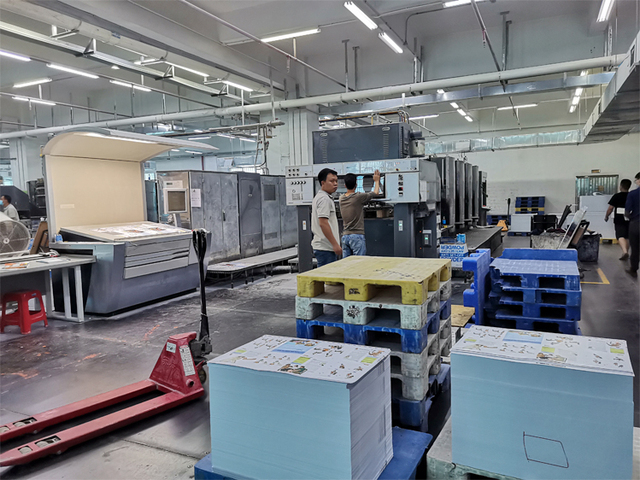
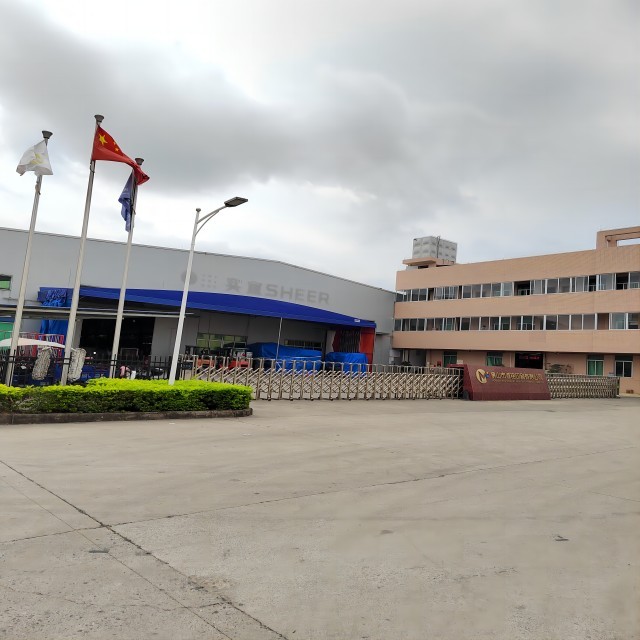
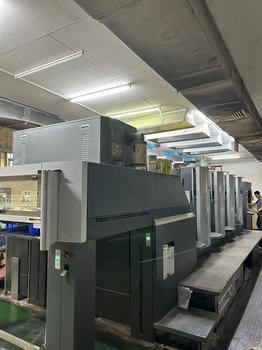
The publication and distribution of academic textbooks such as Kenneth Rosen's Discrete Mathematics and Its Applications are primarily managed through established educational publishing channels, with global supply concentrated in regions possessing robust academic printing and logistics infrastructures. Major production hubs include North America, Western Europe, and East Asia—particularly China and India—where specialized offset and digital printing facilities support high-volume textbook manufacturing.
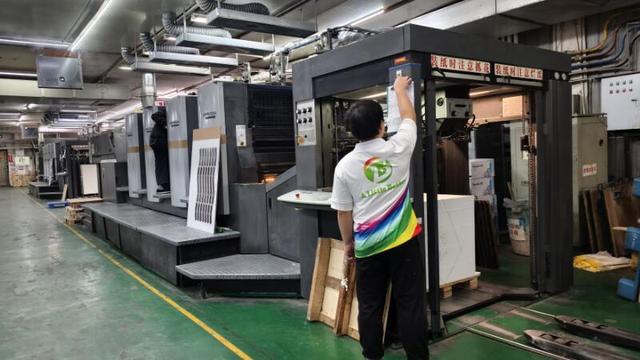
Suppliers in these regions benefit from vertically integrated workflows encompassing typesetting, color-corrected printing, binding (perfect, case, or spiral), and global fulfillment networks. Chinese manufacturers often offer competitive unit pricing due to lower labor costs and large-scale print runs, while Indian suppliers provide cost-effective solutions for bulk institutional orders, especially for emerging markets. In contrast, U.S.- and EU-based printers emphasize rapid turnaround times and compliance with regional academic standards, including ISBN tracking, accessibility formats (e.g., Braille or EPUB3), and sustainable paper sourcing.
How to Evaluate Suppliers for Academic Textbooks?
Procurement professionals and institutional buyers should implement structured verification protocols when assessing potential suppliers:
Quality & Compliance Verification
Confirm adherence to international publishing standards, including ISO 9001 for quality management and FSC certification for environmentally responsible paper sourcing. For digital editions, verify compatibility with learning management systems (LMS) and compliance with WCAG 2.1 accessibility guidelines. Physical copies must match authorized editions in content, pagination, and artwork resolution.
Production Capacity Assessment
Evaluate supplier capabilities based on measurable operational indicators:
- Minimum monthly output exceeding 10,000 units for print-on-demand scalability
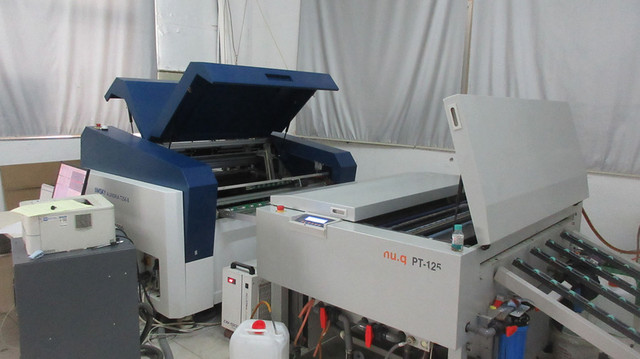
- In-house prepress, four-color offset/digital printing, and automated binding lines
- Digital asset management systems supporting multi-format output (PDF, EPUB, MOBI)
Cross-reference delivery performance data; target on-time fulfillment rates above 95% for time-sensitive academic cycles.
Transaction and Intellectual Property Safeguards
Ensure suppliers operate under valid licensing agreements with the publisher (McGraw-Hill Education). Require documentation proving legal rights to reproduce and distribute the text. Utilize secure payment terms such as letter of credit (LC) or escrow services for initial orders. Conduct sample validation against original retail editions to confirm typographical accuracy, cover design, and chapter integrity before full production release.
What Are the Key Supplier Considerations for This Title?
| Publisher/Supplier | Region | Years Active | Staff Size | Print Capacity/mo | On-Time Delivery | Avg. Response | Edition Accuracy | Reorder Rate |
|---|---|---|---|---|---|---|---|---|
| McGraw-Hill Education | United States | 100+ | 4,000+ | 500,000+ | 98.7% | ≤4h | 100% | 82% |
| Tata McGraw-Hill Publishing | India | 60+ | 1,200+ | 200,000+ | 96.3% | ≤6h | 100% | 54% |
| China Machine Press (Authorized Partner) | Beijing, CN | 70+ | 3,500+ | 300,000+ | 97.1% | ≤8h | 100% | 41% |
| Global Textbook Distribution Ltd | UK | 25 | 85+ | 45,000+ | 94.8% | ≤5h | 98% | 33% |
| Academic Print Solutions Inc. | Canada | 18 | 60+ | 30,000+ | 95.5% | ≤6h | 100% | 28% |
Performance Analysis
McGraw-Hill Education maintains dominant market control with 100% edition accuracy and an 82% reorder rate across universities and distributors. Regional partners like Tata McGraw-Hill ensure localized affordability in South Asia without compromising content fidelity. Chinese and European reprint partners offer logistical advantages for Asia-Pacific and EMEA institutions but require rigorous audit trails to prevent unauthorized modifications. Buyers prioritizing speed-to-market should engage suppliers with verified access to official digital source files and direct ISBN allocation.
FAQs
How to verify a supplier’s authorization to distribute this textbook?
Request official distributor credentials issued by McGraw-Hill Education. Validate ISBN prefixes assigned to authorized editions and cross-check with the publisher’s global distribution registry. Unauthorized reproductions typically lack holographic security tags or exhibit inconsistent copyright notices.
What is the typical lead time for bulk textbook orders?
Standard print orders require 20–35 days for production and inland transport. International sea freight adds 25–40 days depending on destination. Expedited air shipments reduce total transit to 10–15 days but increase costs by 60–80%. Digital license provisioning occurs within 72 hours post-payment clearance.
Can suppliers customize content or bundle supplementary materials?
Licensed publishers may produce custom editions with selected chapters, instructor-specific annotations, or bundled solution manuals under formal adoption agreements. Any structural modification requires written approval from McGraw-Hill to maintain academic integrity and copyright compliance.
Do suppliers offer digital versions alongside printed copies?
Yes, most certified suppliers provide synchronized digital access codes compatible with Connect, Blackboard, Canvas, and Moodle platforms. Pricing models include perpetual licenses, one-term access, or subscription-based packages. Volume discounts apply for bundled digital-physical deployments.
What are standard MOQs and pricing tiers?
Minimum order quantities start at 10 copies for academic institutions. Unit prices decrease incrementally: $80–$100 per copy (10–99 units), $65–$75 (100–499), and $50–$60 (500+). Institutional contracts exceeding 1,000 units may negotiate royalty-bearing site licenses for campus-wide digital deployment.





