Keyboard Keys Checker


 1/3
1/3



 1/25
1/25





 1/25
1/25


 1/14
1/14


 0
0



 1/3
1/3


 1/3
1/3


 1/30
1/30




 1/3
1/3


 1/16
1/16




 1/3
1/3



 0
0


 1/3
1/3



 1/3
1/3


 1/3
1/3






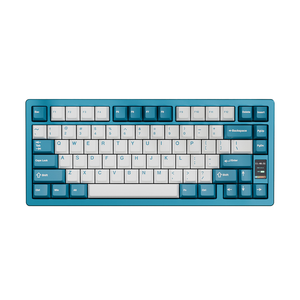
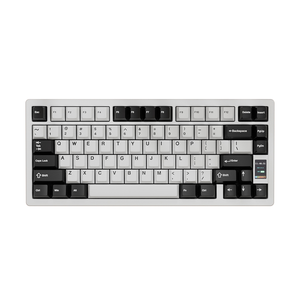
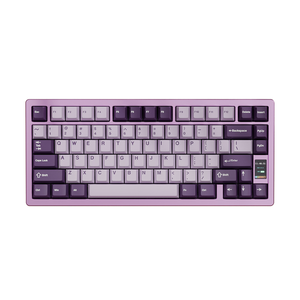
 1/3
1/3
About keyboard keys checker
Where to Find Keyboard Keys Checker Suppliers?
China remains the central hub for precision electronic testing equipment manufacturing, with key industrial clusters in Guangdong and Jiangsu provinces leading production of keyboard keys checkers. Guangdong, particularly the Pearl River Delta region, hosts over 70% of China’s electronics testing device suppliers, supported by Shenzhen’s advanced semiconductor and sensor supply networks. This concentration enables rapid integration of force sensors, travel distance measurement modules, and automated actuation systems critical for accurate keystroke analysis.
These regions benefit from vertically integrated ecosystems where PCB fabrication, microcontroller programming, and mechanical housing production occur within tightly coordinated supply chains. Manufacturers leverage localized access to components such as linear guides, load cells, and optical encoders, reducing material lead times by 25–40% compared to offshore alternatives. Buyers gain advantages in scalability, with standard units typically available in batches of 50+ within 20–30 days. Custom configurations incorporating programmable firmware or multi-axis testing platforms can be developed within 6–8 weeks due to proximity to R&D talent and prototyping facilities.
How to Choose Keyboard Keys Checker Suppliers?
Procurement decisions should be guided by structured evaluation criteria focused on technical capability, quality assurance, and transaction security:
Technical Compliance
Ensure suppliers adhere to ISO 9001 standards for quality management systems. For export to EU and North American markets, verify compliance with RoHS and CE directives to confirm electromagnetic compatibility and restricted substance controls. Request calibration certificates traceable to national standards (e.g., NIST) for force and displacement sensors used in testing accuracy.
Production Capability Audits
Assess operational infrastructure through documented verification:
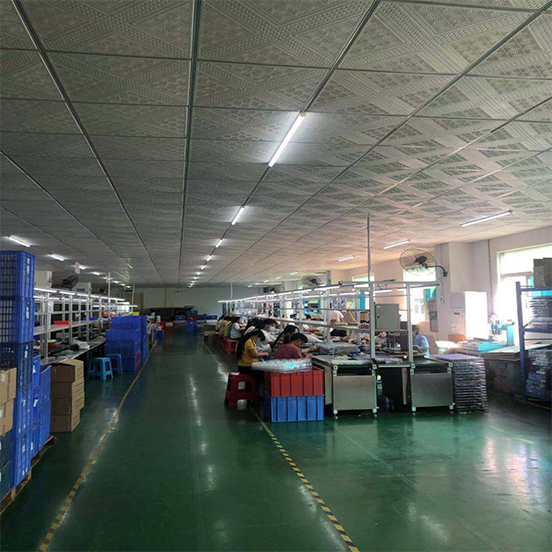
- Minimum 1,000m² production area with dedicated clean zones for electronics assembly
- In-house engineering teams comprising at least 15% of total staff for customization support
- CNC machining, 3D printing, and automated testing stations for prototype validation
Validate output consistency using historical on-time delivery performance (target ≥95%) and batch defect rates below 1.5%.
Transaction Safeguards
Utilize secure payment mechanisms such as third-party escrow services until product acceptance is confirmed. Prioritize suppliers with documented QC processes including pre-shipment functional testing, environmental stress screening, and firmware version control. Conduct sample evaluations to verify measurement repeatability (±0.5g force deviation across 10,000 cycles) before placing volume orders.
What Are the Best Keyboard Keys Checker Suppliers?
No supplier data is currently available for keyboard keys checker manufacturers. Procurement professionals are advised to initiate supplier discovery through verified B2B channels, focusing on companies demonstrating clear technical documentation, certified quality systems, and responsive communication protocols.
Performance Analysis
In the absence of published supplier profiles, buyers should prioritize vendors that provide transparent facility disclosures, verifiable test reports, and modular design frameworks for adaptability across switch types (e.g., Cherry MX, scissor, dome). Emphasis should be placed on firms offering SDKs or API access for integration into automated production lines. Video audits and remote live demonstrations serve as effective tools for preliminary assessment when physical visits are not feasible.
FAQs
How to verify keyboard keys checker supplier reliability?
Confirm ISO 9001 certification status through accredited registrars. Request audit trails covering component sourcing (e.g., sensor brands), assembly procedures, and final inspection logs. Evaluate responsiveness and technical depth during inquiry resolution—reliable suppliers typically respond within 4 business hours with detailed specifications.
What is the average sampling timeline?
Standard model samples are generally produced within 10–15 days. Units requiring custom force ranges (e.g., 30–100g), adjustable actuation speeds, or specialized fixtures may require 20–25 days for development and calibration. Air freight shipping adds 5–7 days for international delivery.
Can suppliers ship keyboard keys checkers worldwide?
Yes, most established manufacturers support global logistics via air or sea freight under FOB, CIF, or DDP terms. Confirm inclusion of export packaging, customs documentation, and import compliance assistance, especially for regulated electronics entering markets with strict conformity requirements.
Do manufacturers provide free samples?
Sample policies vary by order scale. Suppliers often waive fees for qualified buyers committing to minimum batch sizes (typically 50+ units). For standalone samples, expect to cover 40–60% of unit cost, which may be credited toward future production orders.
How to initiate customization requests?
Submit detailed technical requirements including switch type compatibility, required measurement parameters (actuation force, bottom-out force, travel distance), data output format (USB/RS-485/Bluetooth), and software interface needs. Leading suppliers deliver proof-of-concept designs within 72 hours and functional prototypes within 3–4 weeks.





