Kvm Switch Multiple Monitors






 0
0



 0
0




 1/3
1/3


 0
0



 1/3
1/3



 0
0













 1/1
1/1


 1/3
1/3

 1/20
1/20



 1/1
1/1


 1/3
1/3



 0
0



 1/3
1/3


 1/35
1/35



 1/3
1/3


 1/3
1/3







 1/3
1/3
About kvm switch multiple monitors
Where to Find KVM Switch Multiple Monitors Suppliers?
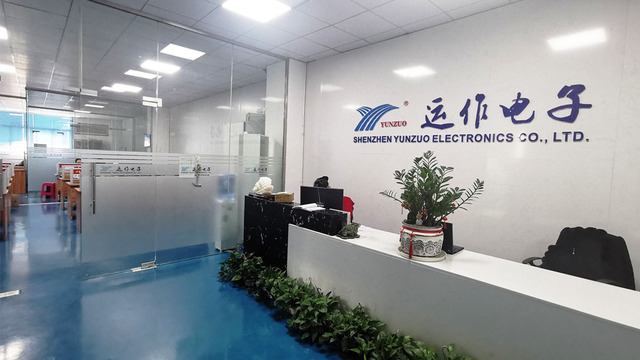
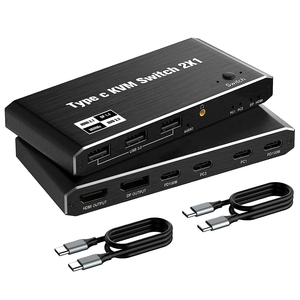
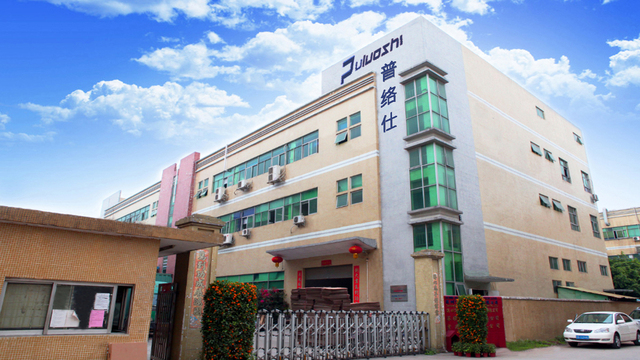
China remains the central hub for KVM switch manufacturing, with key production clusters in Guangdong and Jiangsu provinces. Guangdong, particularly the Pearl River Delta region, hosts over 70% of China’s electronics OEMs, supported by dense networks of PCB fabricators, connector suppliers, and firmware developers. This ecosystem enables rapid prototyping and high-volume assembly, reducing component procurement lead times by up to 40% compared to non-specialized regions. Jiangsu’s Changzhou and Suzhou zones focus on industrial-grade signal management devices, leveraging proximity to semiconductor packaging facilities for enhanced video signal integrity.
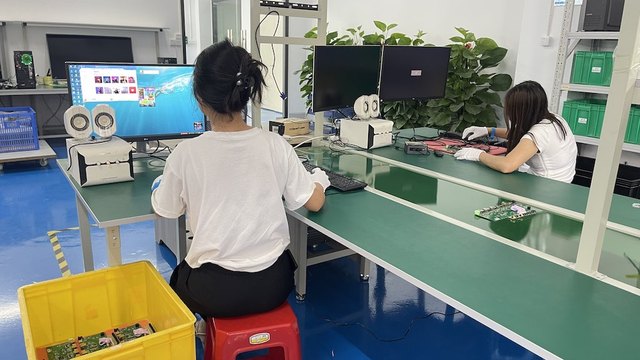
These industrial clusters offer vertically integrated production capabilities—from circuit design and SMT assembly to final testing—allowing manufacturers to support both standard and custom multi-monitor KVM configurations. Buyers benefit from consolidated supply chains that maintain inventory turnover rates below 12 days and support average order fulfillment cycles of 25–35 days. Localized sourcing reduces material costs by 18–25%, while infrastructure density ensures compatibility testing across HDMI, DisplayPort, USB-C, and DVI interfaces before shipment. Customization scalability is a core strength, with many suppliers accommodating dual, triple, and quad-display setups with PS/2 or USB peripheral integration.
How to Choose KVM Switch Multiple Monitors Suppliers?
Implement structured evaluation criteria to ensure technical and operational reliability:
Quality & Compliance Verification
Confirm adherence to ISO 9001:2015 for quality management systems. For shipments to regulated markets, validate CE, FCC Part 15, and RoHS compliance to meet electromagnetic compatibility and environmental safety standards. Request test reports for signal latency (target <1ms switching), EMI shielding, and hot-plug durability across all video ports.
Production Capacity Assessment
Evaluate supplier infrastructure using these benchmarks:
- Minimum 3,000m² production area with dedicated SMT and DIP lines
- In-house R&D team comprising at least 12% of technical staff
- Integrated testing stations for EDID emulation, 4K@60Hz video validation, and USB HID functionality
Correlate facility scale with order volume history—suppliers handling 5,000+ units monthly typically maintain higher process consistency and inventory stability.
Procurement Risk Mitigation
Utilize secure transaction models such as third-party escrow or letter of credit for initial orders. Review supplier export records for experience shipping to North America, EU, and APAC regions, ensuring proper labeling and documentation for customs clearance. Conduct pre-shipment sample evaluations focusing on cable strain relief, button actuation life (rated >50,000 cycles), and cross-platform OS compatibility (Windows, macOS, Linux).
What Are the Best KVM Switch Multiple Monitors Suppliers?
No verified supplier data is currently available for analysis. Buyers are advised to prioritize partners with documented manufacturing facilities, transparent compliance certifications, and verifiable customer transaction histories. When evaluating potential suppliers, request facility walkthrough videos, product tear-down analyses, and batch test logs to confirm production authenticity and engineering rigor. Emphasis should be placed on firms demonstrating consistent output of 4K-compatible, multi-link KVM solutions with remote access or IP-based switching capabilities.
Performance Analysis
In the absence of quantifiable supplier profiles, procurement focus should shift toward operational indicators: on-time delivery performance above 97%, response times under 4 hours, and evidence of after-sales technical support. Suppliers offering modular designs—supporting daisy-chained monitors and mixed-input environments—demonstrate higher engineering maturity. Prioritize those with in-house firmware development, enabling customization for secure government, financial, or industrial control room deployments. Video demonstrations of switching latency and audio-video sync accuracy serve as critical validation tools prior to bulk ordering.
FAQs
How to verify KVM switch supplier reliability?
Validate certifications through official databases (e.g., IECEx, TÜV) and request independent lab test results for signal performance and power efficiency. Scrutinize customer references for feedback on long-term device stability and driver update support. Confirm presence of QC checkpoints at soldering, programming, and burn-in stages.
What is the typical sampling timeline?
Standard samples take 10–18 days for production, including programming and functional testing. Custom firmware or unique port configurations may extend timelines to 25–30 days. Air freight adds 5–8 days depending on destination. Sample costs typically range from $80–$200, refundable against confirmed orders exceeding 100 units.
Can suppliers ship KVM switches worldwide?
Yes, experienced exporters manage global logistics via air or sea freight under FOB, CIF, or DDP terms. Ensure packaging meets ISTA 3A standards for electronic goods and includes anti-static shielding. Confirm compliance with local electrical safety regulations (e.g., UL 62368-1 in the U.S.) to avoid import delays.
Do manufacturers provide free samples?
Free samples are uncommon for first-time buyers. Some suppliers waive fees for repeat customers or large-volume prospects. Evaluation kits with basic models may be offered at reduced cost to demonstrate build quality and switching responsiveness.
How to initiate customization requests?
Submit detailed specifications including number of connected computers, monitor resolution (e.g., 4K UHD), video interface types, USB version requirements, and enclosure material preferences. Reputable suppliers will return schematic drafts within 72 hours and deliver prototypes within 3–4 weeks, including updated firmware builds for specialized use cases.





