Lambda Ai









 CN
CN




 1/3
1/3









 1/22
1/22
















 1/17
1/17




 1/6
1/6




About lambda ai
Where to Find Lambda AI Product Suppliers?
The global supplier base for AI-related products under the "lambda" category is concentrated in China, with key players operating out of industrial hubs in Zhejiang, Shanghai, and Guangdong provinces. These regions host integrated electronics and software development ecosystems, enabling rapid prototyping and scalable production. Yiwu and Shenzhen, in particular, are recognized for high-volume consumer electronics manufacturing, supported by mature supply chains for components such as microprocessors, sensors, and display modules.
Suppliers in these clusters benefit from proximity to component manufacturers and logistics infrastructure, reducing material procurement lead times by 20–35% compared to offshore alternatives. The presence of specialized software development firms further enhances capabilities for AI-driven applications, including natural language processing, computer vision, and machine learning integration. This convergence supports hybrid offerings—both physical smart devices and digital AI services—delivered through unified sourcing channels.
How to Choose Lambda AI Product Suppliers?
Procurement decisions should be guided by objective evaluation criteria focused on technical capability, transaction reliability, and service scope:
Technical & Functional Validation
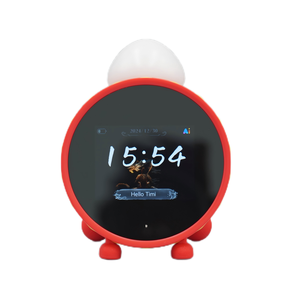
For hardware-integrated AI products (e.g., smart glasses, AI alarm clocks), verify compatibility with target operating environments, including power requirements, connectivity standards (Bluetooth 5.0+, Wi-Fi 6), and firmware update mechanisms. For software-centric suppliers offering AI application development, assess core competencies in frameworks such as TensorFlow, PyTorch, or LangChain, and confirm experience in prompt engineering, fine-tuning, and API integrations.
Production and Development Capacity
Evaluate supplier infrastructure based on the following benchmarks:
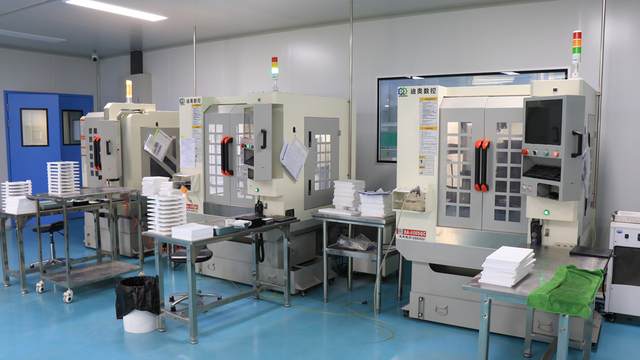
- Minimum 1,000m² operational space for hardware producers; software firms should demonstrate version-controlled development pipelines
- Dedicated R&D or engineering teams comprising at least 15% of total staff
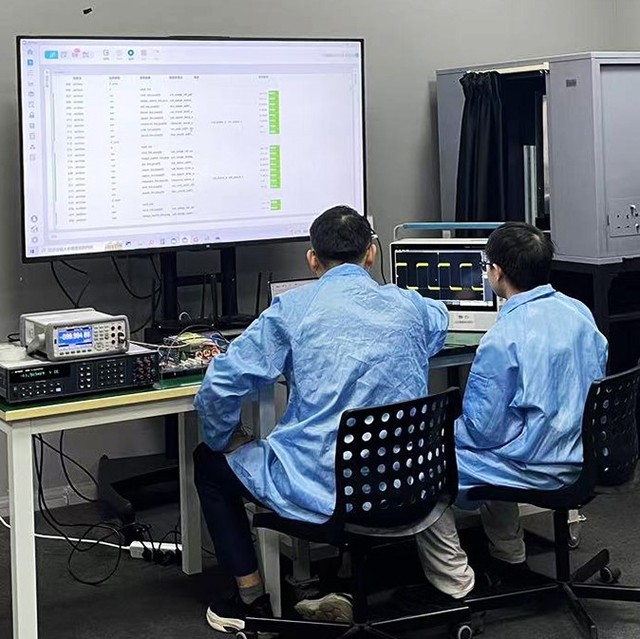
- In-house testing protocols for AI model accuracy, latency, and edge-device performance
Cross-reference online revenue indicators and product listing diversity to assess market validation and scalability.
Transaction Reliability Indicators
Prioritize suppliers with documented on-time delivery rates exceeding 95%. Response time under 3 hours indicates strong customer support capacity. Where available, reorder rates above 25% suggest customer satisfaction. For higher-value contracts, require third-party payment protection and milestone-based release terms.
What Are the Leading Lambda AI Product Suppliers?
| Company Name | Core Offerings | Product Range | Price Range (USD) | Min. Order | On-Time Delivery | Avg. Response | Reorder Rate | Online Revenue |
|---|---|---|---|---|---|---|---|---|
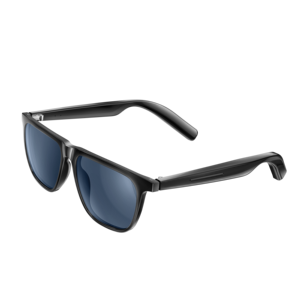
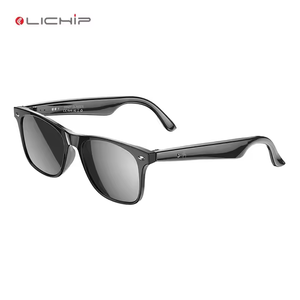
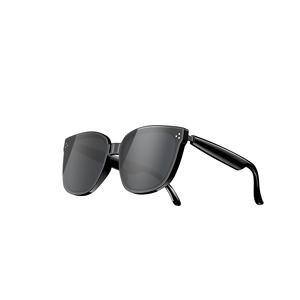
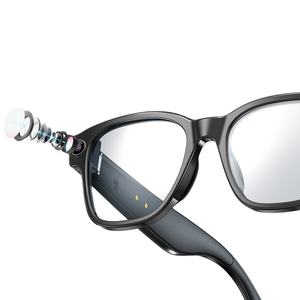
| Shenzhen Lichip Eletronic Co., Ltd. | Smart Glasses, AI-AR Devices | 5 | $15.50–$38.90 | 1–2 pieces | 100.0% | ≤5h | 28% | US $210,000+ |
| Yiwu Zhouchu Trading Firm | Smart Clocks, AI Glasses | 3 | $15.50–$41.50 | 1 piece | 100.0% | ≤3h | <15% | US $6,000+ |
| Shanghai Honghuan Network Technology Co., Ltd. | AI Application Development, Technical Services | 4 | $150–$500 | 1 set/piece | 100.0% | ≤3h | - | - |
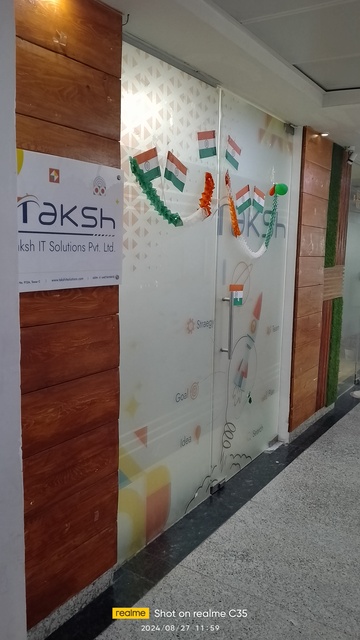
| TAKSH IT SOLUTIONS PRIVATE LIMITED | AI Applications, Blockchain, MLM Software | 4 | $5,000 | 1 unit | 75.0% | ≤1h | - | US $2,000+ |
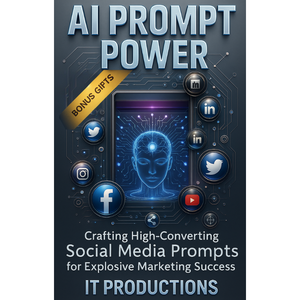
| IT PRODUCTIONS LLC | AI Prompt Tools, Application Development | 4 | $9.99–$19.99 | 1 piece | - | ≤3h | - | - |
Performance Analysis
Shenzhen Lichip stands out for volume-ready hardware production, backed by verified high revenue and a 28% reorder rate, indicating market acceptance. Yiwu Zhouchu offers low MOQ flexibility ideal for pilot testing, while maintaining perfect delivery performance. Shanghai Honghuan specializes in mid-tier B2B technical services, with pricing structured for enterprise integration projects. On the software side, TAKSH IT SOLUTIONS commands premium rates ($5,000/unit) but reports a lower on-time delivery rate (75%), suggesting potential fulfillment risks. IT PRODUCTIONS provides cost-effective AI prompt solutions but lacks reorder and revenue transparency, increasing due diligence requirements.
FAQs
How to verify lambda AI product supplier credibility?
Validate technical claims through functional demos or sandbox testing. For hardware, request sample units to assess build quality and AI responsiveness. For software providers, review GitHub repositories or deployment case studies. Confirm business legitimacy via official registration records and transaction history metrics such as on-time delivery and response consistency.
What are typical MOQ and lead times?
Physical AI devices often have MOQs of 1–2 pieces for stock items, with lead times ranging from 7–15 days. Custom hardware may require 30–45 days. Software development services typically start at one-unit orders with delivery windows of 2–6 weeks depending on complexity. Prototypes for AI-integrated gadgets can be delivered within 21 days upon specification finalization.
Can suppliers support customization?
Yes, most suppliers offer varying degrees of customization. Hardware vendors can modify form factors, branding (OEM/ODM), and embedded features. Software developers provide tailored AI models, UI/UX adjustments, and integration with existing platforms (e.g., e-commerce, CRM). Submit detailed technical briefs including input/output specifications, language support, and deployment environment.
Are certifications provided for AI products?
Certifications vary by product type. Consumer electronics typically comply with RoHS and FCC standards; suppliers may provide CE or ISO 9001 documentation upon request. For AI software, compliance with data privacy regulations (GDPR, CCPA) should be explicitly confirmed. Buyers are advised to request test reports and conformity statements before shipment.
What payment and logistics options are available?
Standard payment methods include T/T, L/C, and platform-based escrow. Logistics depend on order size: air freight for samples (5–10 days), sea freight for bulk shipments (25–40 days). FOB terms are common; CIF arrangements are available for full-container loads. Ensure import classification codes (HS codes) are clarified pre-shipment to avoid customs delays.





