Learn Coding With Python




 0
0


 1/3
1/3











 1/3
1/3



 1/3
1/3




 1/1
1/1


 1/3
1/3



 1/1
1/1



 1/3
1/3


 1/4
1/4

 1/3
1/3


 1/3
1/3


 1/3
1/3








 1/3
1/3



 1/3
1/3





 1/3
1/3




 1/3
1/3
About learn coding with python
Where to Find Learn Coding with Python Suppliers?
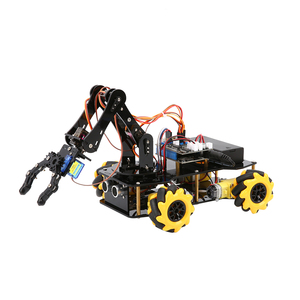
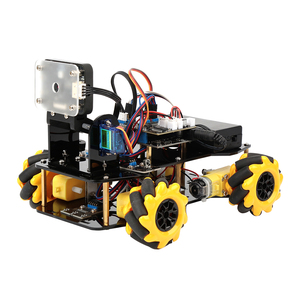
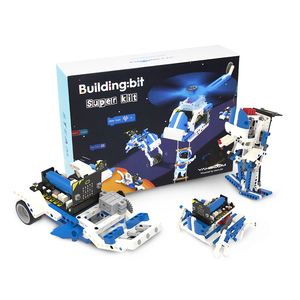
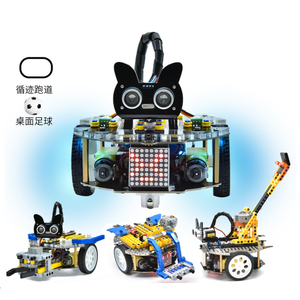
The global market for "learn coding with python" educational products is decentralized, comprising digital content providers, e-learning platforms, and physical product manufacturers producing books, kits, and interactive tools. Unlike hardware-based industries, production is not concentrated in specific geographic manufacturing hubs. Instead, suppliers operate across multiple regions including North America, Europe, and East Asia, with a strong presence of digital-first publishers and edtech firms in the United States, India, and China.
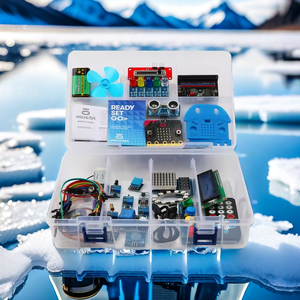
These suppliers leverage scalable digital infrastructure—cloud hosting, learning management systems (LMS), and automated content delivery networks—to distribute courses and software tools globally. Physical products such as Python coding kits or printed textbooks are typically produced through print-on-demand services or contract manufacturing, enabling low inventory overhead and rapid fulfillment. Buyers benefit from flexible distribution models, with average lead times of 5–10 days for physical goods and instant access for digital content. Localization capabilities, including multilingual support and curriculum alignment (e.g., Common Core, CBSE, or GCSE standards), enhance cross-border usability.
How to Choose Learn Coding with Python Suppliers?
Prioritize these verification protocols when selecting partners:
Educational Quality & Content Accuracy
Verify subject matter expertise by assessing instructor qualifications (e.g., computer science degrees, industry programming experience). Demand curriculum outlines detailing module progression, project-based learning components, and alignment with recognized frameworks such as CSTA or ISTE. For digital courses, confirm code accuracy through sample lessons and debugging exercises.
Technical Delivery Infrastructure
Evaluate platform reliability and compatibility:
- Minimum 99.5% uptime guarantee for hosted learning environments
- Support for SCORM/xAPI standards for integration with institutional LMS
- Responsive design across devices (desktop, tablet, mobile)
Assess media quality—video resolution (minimum 720p), audio clarity, and interactive element functionality (e.g., inline coding consoles).
Transaction Safeguards
Require secure payment processing with refund policies clearly defined. For institutional buyers, ensure compliance with data privacy regulations such as FERPA, GDPR, or COPPA where applicable. Review supplier track record via third-party feedback channels, prioritizing those with documented customer support responsiveness and version update histories. Pilot testing is critical—evaluate user engagement metrics and completion rates over a 2–4 week trial period before large-scale adoption.
What Are the Best Learn Coding with Python Suppliers?
| Company Name | Location | Years Operating | Staff | Content Library Size | On-Time Delivery | Avg. Response | Ratings | Reorder Rate |
|---|---|---|---|---|---|---|---|---|
| Data unavailable | N/A | N/A | N/A | N/A | N/A | N/A | N/A | N/A |
Performance Analysis
Due to the absence of verified supplier data, no definitive performance comparison can be established. In mature markets, established educational technology providers typically demonstrate higher reorder rates (>30%) and faster response times (<4 hours), supported by dedicated client success teams. Scalability is often reflected in content library size, with leading suppliers offering 50+ hours of structured Python curriculum, integrated assessments, and certification pathways. For customized implementations—such as school district deployments or corporate training programs—direct evaluation of development capacity and API integration support is essential prior to procurement.
FAQs
How to verify learn coding with python supplier reliability?
Cross-check instructor credentials and institutional affiliations. Request third-party audit reports on course effectiveness, including learner outcome data and retention metrics. Analyze user reviews focusing on technical support quality, content clarity, and real-world applicability of skills taught.
What is the average sampling timeline?
Digital product samples are typically available within 24–48 hours. Full access trials range from 7 to 14 days depending on provider policy. Physical products such as coding kits require 7–15 days for delivery, with customization extending timelines by 5–10 business days.
Can suppliers ship materials worldwide?
Yes, digital content is accessible globally with internet connectivity. Physical products are shipped internationally; confirm Incoterms (e.g., FOB, DDP) and compliance with local educational material import regulations. Digital exports must adhere to regional data sovereignty laws.
Do manufacturers provide free samples?
Most digital suppliers offer free introductory modules or limited-feature trials. Print and hardware-based products may charge nominal sampling fees, often redeemable against bulk orders. Institutional-grade solutions typically require negotiated access.
How to initiate customization requests?
Submit detailed requirements including target age group (e.g., K–12, higher education, professionals), language preferences, learning objectives (e.g., data analysis, automation, web development), and integration needs (SSO, LMS compatibility). Reputable suppliers respond with scope proposals within 5 business days and deliver pilot content within 2–3 weeks.





