Line Array Rigging Kit Wholesaler


 1/3
1/3



 1/3
1/3



 1/1
1/1


 0
0



 1/3
1/3




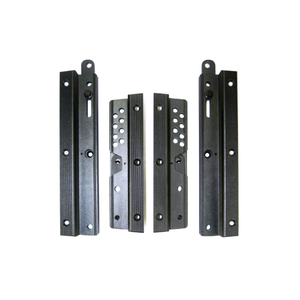
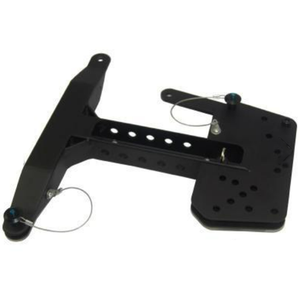

 1/13
1/13


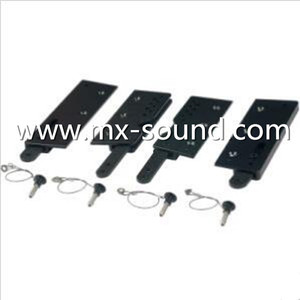


 1/3
1/3

 1/38
1/38


 1/12
1/12




 0
0


 1/3
1/3


 1/3
1/3


 1/25
1/25







 1/3
1/3




 1/3
1/3






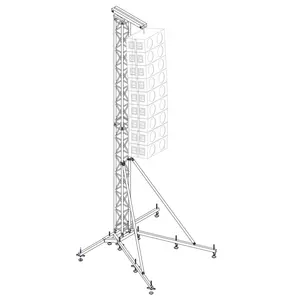
About line array rigging kit wholesaler
Where to Find Line Array Rigging Kit Wholesalers?
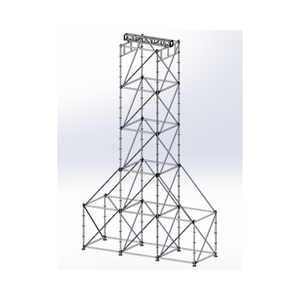
China remains the central hub for line array rigging kit manufacturing, with concentrated supplier clusters in Guangdong and Zhejiang provinces. These regions host specialized industrial ecosystems focused on precision metal fabrication and stage equipment production. Guangdong, particularly around Guangzhou and Foshan, offers proximity to high-capacity aluminum extrusion facilities and advanced powder coating lines, reducing component lead times by up to 25%. Zhejiang’s Ningbo and Wenzhou zones feature vertically integrated workshops capable of CNC machining, welding automation, and load-testing validation within single campuses.
These manufacturing clusters enable economies of scale through shared technical labor pools and localized sourcing of raw materials such as aerospace-grade aluminum alloys (6082-T6) and galvanized steel hardware. Buyers benefit from consolidated supply chains where structural components, pulleys, and safety shackles are produced within 30km radii. Typical advantages include monthly production capacities exceeding 5,000 units per facility, average lead times of 20–35 days for bulk orders, and flexibility for OEM labeling or configuration adjustments. Export-oriented infrastructure supports containerized shipping with pre-assembled kits packed for efficient venue deployment.
How to Choose Line Array Rigging Kit Wholesalers?
Procurement decisions should be guided by systematic evaluation criteria to ensure compliance, durability, and operational safety:
Quality & Safety Certification Verification
Confirm EN 13155 and DGUV-R 107-002 compliance for lifting equipment used in overhead rigging applications. ISO 9001 certification is essential for standardized quality management. For markets requiring additional regulatory alignment, verify CE marking authenticity and test reports from accredited laboratories validating static load capacity (typically rated at 4:1 or 5:1 safety factor).
Production Infrastructure Assessment
Evaluate core manufacturing capabilities:
- Minimum factory footprint of 3,000m² to support automated assembly and testing
- In-house CNC bending and TIG/MIG welding stations with traceable welder certifications
- Integrated load-testing rigs capable of validating 2x nominal working load limits
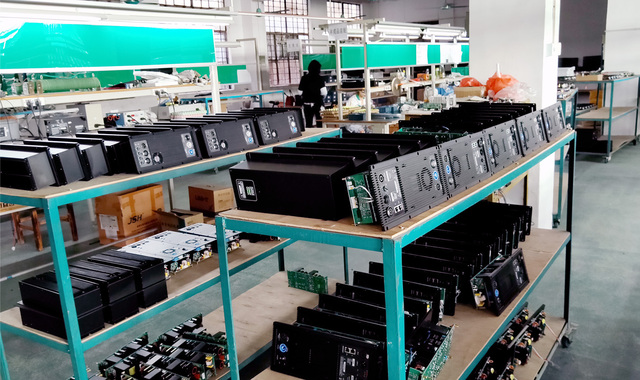
Cross-reference production videos with order fulfillment history, targeting suppliers maintaining >97% on-time delivery performance.
Transaction Risk Mitigation
Utilize secure payment structures such as irrevocable letters of credit or escrow services until site verification is completed. Prioritize suppliers with documented export experience to North America, Europe, or Australia, where adherence to stringent venue safety codes is mandatory. Pre-shipment inspection protocols should include third-party verification of material composition (via PMI testing) and dimensional accuracy against project schematics.
What Are the Best Line Array Rigging Kit Wholesalers?
| Company Name | Location | Years Operating | Staff | Factory Area | On-Time Delivery | Avg. Response | Ratings | Reorder Rate |
|---|---|---|---|---|---|---|---|---|
| Supplier data currently unavailable. Recommend initiating RFQs with verified manufacturers in Guangdong and Zhejiang using certification and capacity benchmarks outlined above. | ||||||||
Performance Analysis
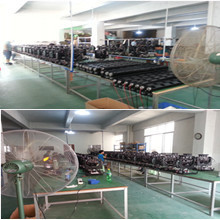
In absence of specific supplier data, procurement focus should remain on structural compliance and process transparency. Historically, long-established workshops in Guangdong demonstrate higher scalability due to investment in robotic welding cells and modular design libraries. Meanwhile, mid-sized exporters in Zhejiang often achieve stronger reorder rates through agile customization—supporting non-standard truss geometries and motorized winch integration. Prioritize partners with published test documentation, including strain gauge readings and fatigue cycle reports. Conduct virtual audits to confirm segregation of raw materials, work-in-progress tracking, and final inspection checkpoints before shipment release.
FAQs
How to verify line array rigging kit wholesaler reliability?
Validate certifications through official databases and request copies of issued test certificates from recognized bodies such as TÜV or SGS. Assess reliability through verifiable client references, preferably from large-scale touring companies or fixed-installation integrators. Review photo and video evidence of actual installations and load tests under real-world conditions.
What is the typical sampling timeline?
Standard sample production takes 10–18 days, depending on complexity. Custom configurations involving unique spreader bars or articulating joints may require 25–30 days. Air freight adds 5–9 days for international delivery. Sample costs typically reflect 40–60% of unit price, refundable upon order confirmation.
Can rigging kit wholesalers ship globally?
Yes, experienced suppliers manage end-to-end logistics under FOB, CIF, or DDP terms. Confirm packaging standards—kits should be palletized with protective corner guards and moisture barriers. Sea freight is optimal for full-container loads (20ft or 40ft), offering up to 60% cost savings over air transport for orders above 50 sets.
Do suppliers offer free samples?
Free samples are uncommon due to high material and machining costs. However, some wholesalers offset sample fees against subsequent purchase orders exceeding predefined quantities (e.g., 20+ units). Negotiate sample cost recovery during contract finalization.
How to initiate customization requests?
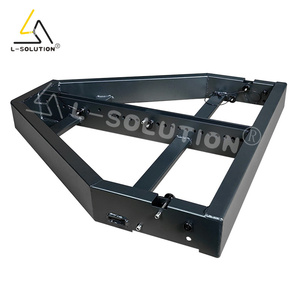
Submit detailed technical requirements including truss length (commonly 2.5m–4m), node type (cardanic, fixed, or motorized), load capacity (typically 500–2,000kg), and finish specifications (powder-coated black, anodized, or hot-dip galvanized). Reputable suppliers provide CAD drawings within 48 hours and prototype units within 3–4 weeks for approval.





