Line Array Subwoofer Producer





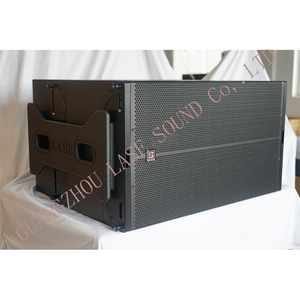


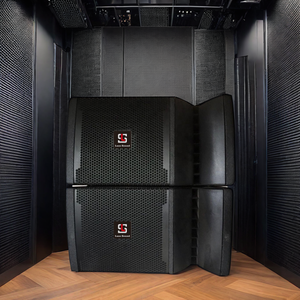
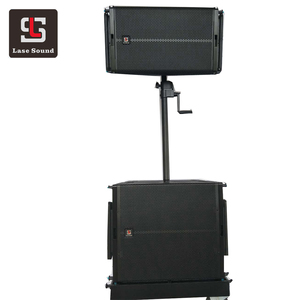


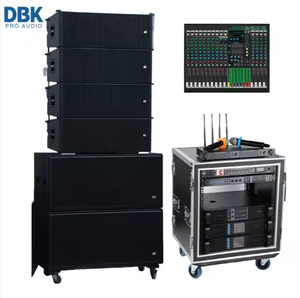

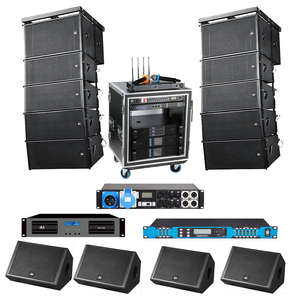
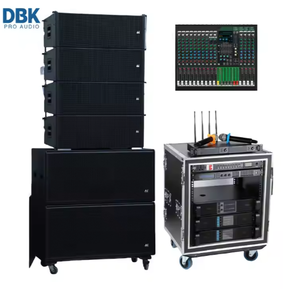
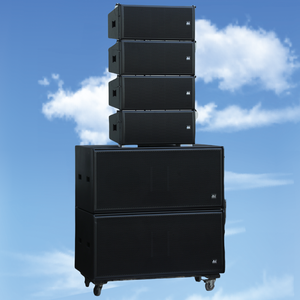





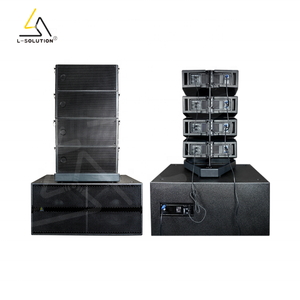


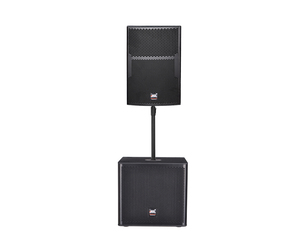
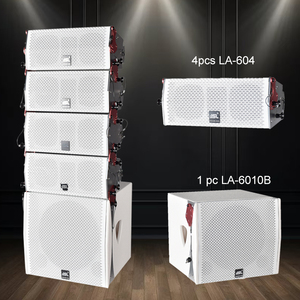




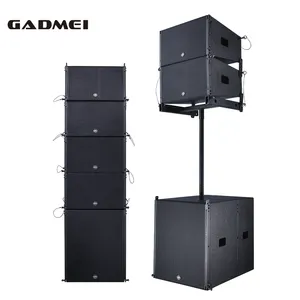


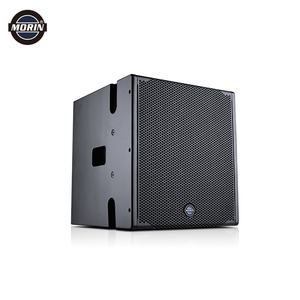
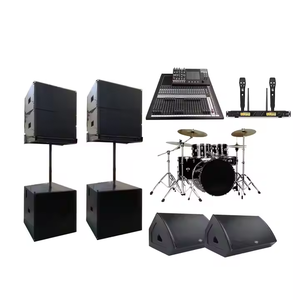
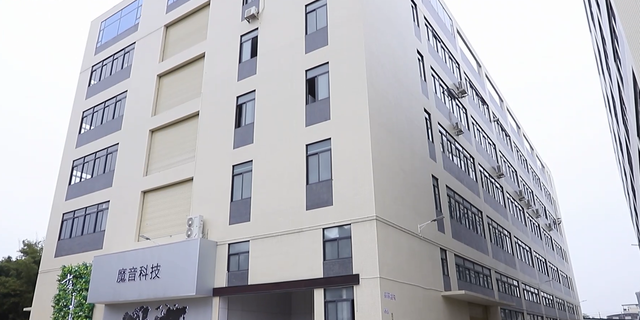


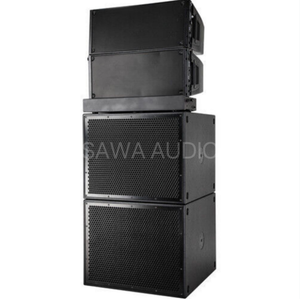
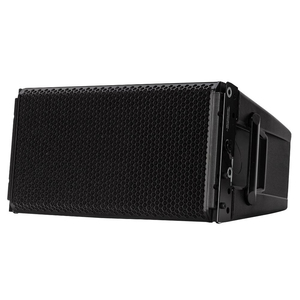

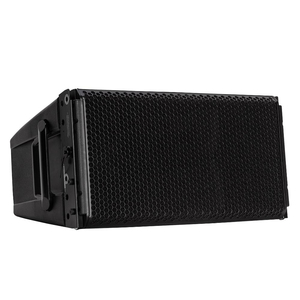



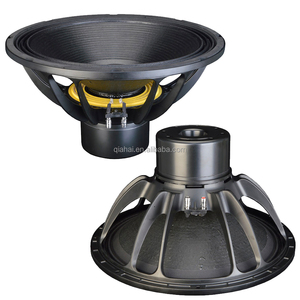
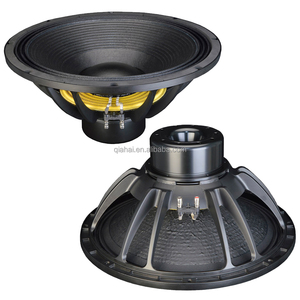


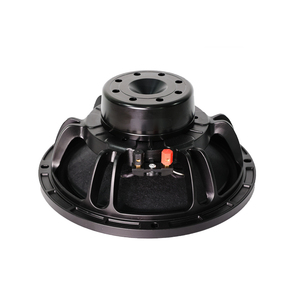
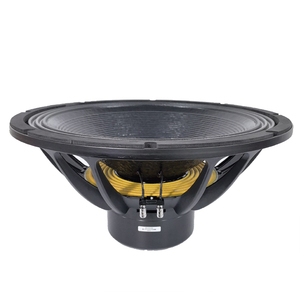






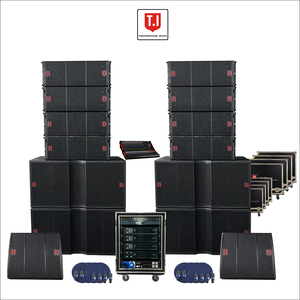


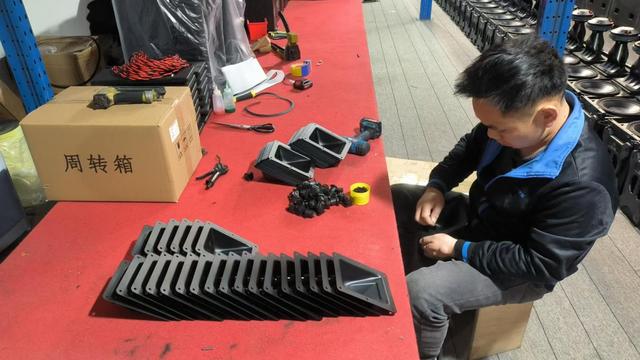


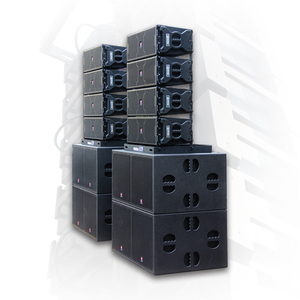
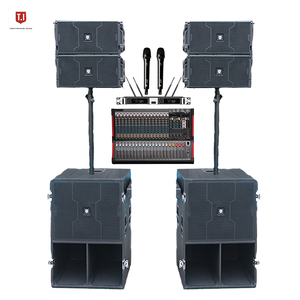



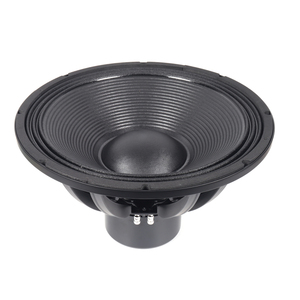


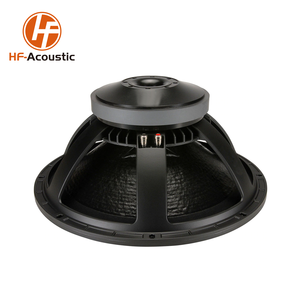


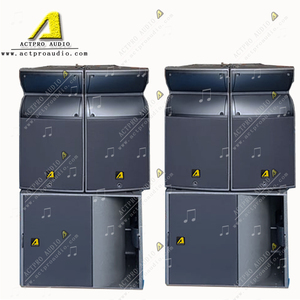
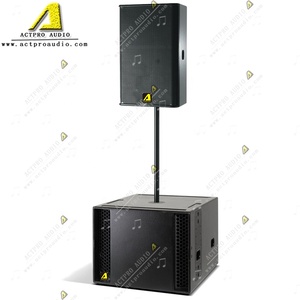


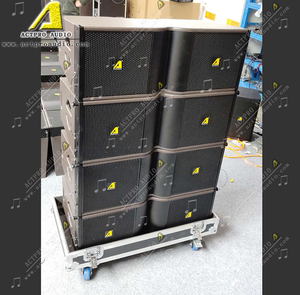
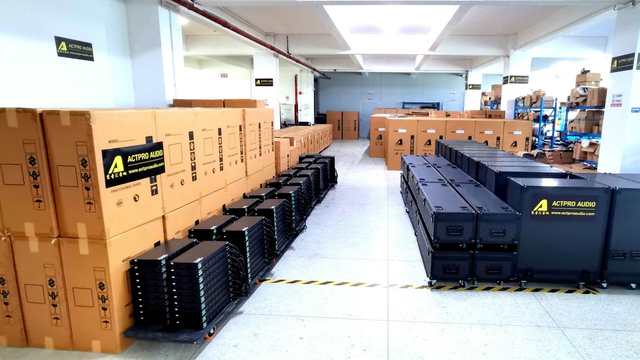


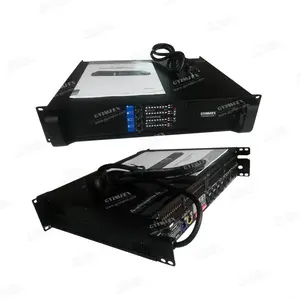
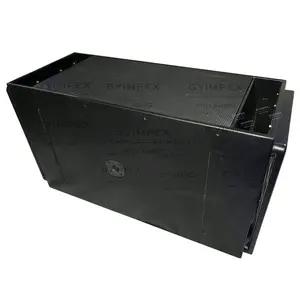

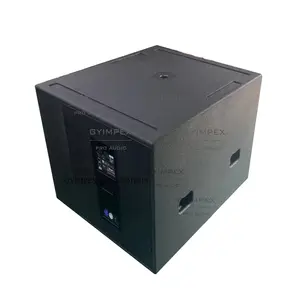
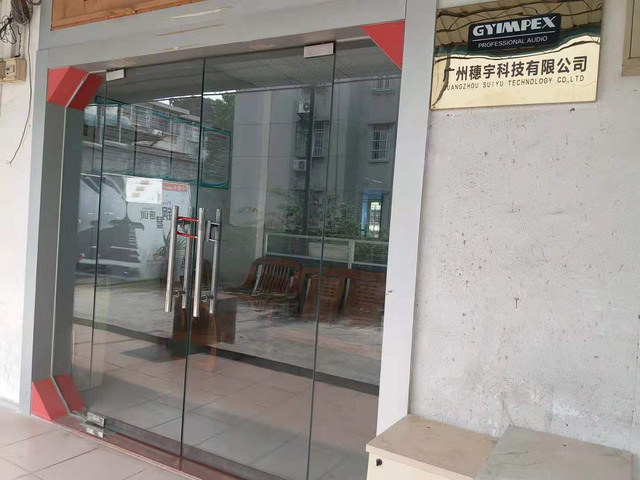


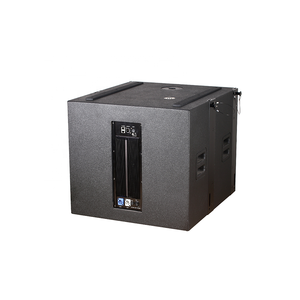


About line array subwoofer producer
Where to Find Line Array Subwoofer Producers?
China remains the central hub for professional audio equipment manufacturing, with Guangzhou emerging as a key industrial cluster for line array subwoofer production. The city hosts multiple vertically integrated manufacturers specializing in active and passive loudspeaker systems, leveraging localized supply chains for drivers, DSP modules, and birch plywood enclosures. This concentration enables streamlined component sourcing—particularly neodymium magnets, high-temperature voice coils, and polyurea-coated cabinets—reducing material lead times by 20–30% compared to non-specialized regions.
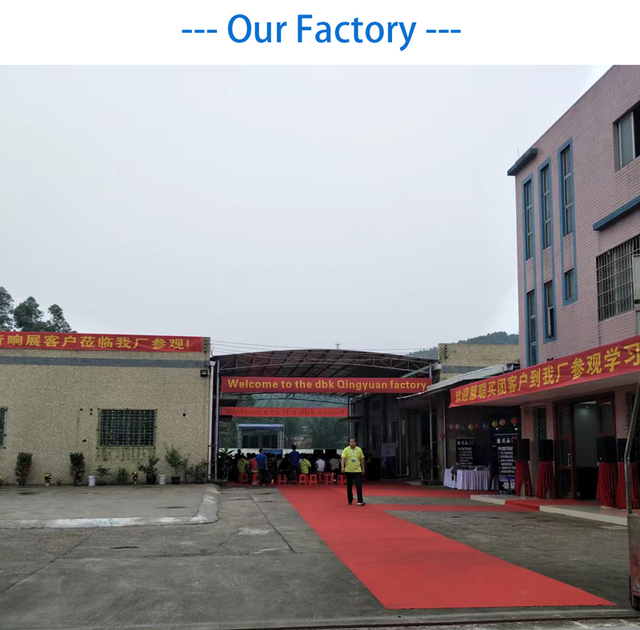
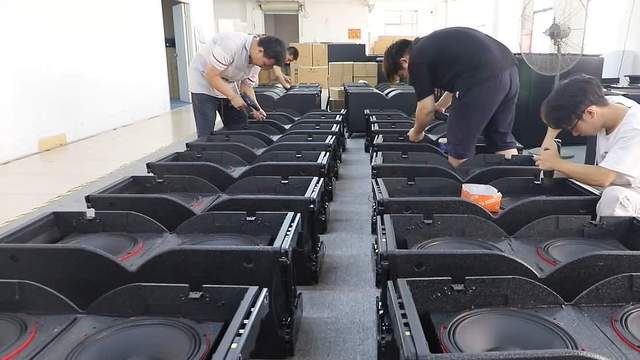
Suppliers in this ecosystem typically operate dedicated production lines for line array systems, including CNC machining for precision enclosure fabrication, automated DSP programming stations, and flyware integration for rigging compatibility. Facilities average 3,000–5,000m², supporting monthly outputs ranging from 200 to 1,000 units depending on configuration complexity. Buyers benefit from proximity to testing labs capable of verifying frequency response (40–120Hz typical for subwoofers), power handling (500–2,500W RMS), and long-term thermal stability under continuous load.
How to Choose Line Array Subwoofer Suppliers?
Selecting reliable producers requires systematic evaluation across technical, operational, and transactional dimensions:
Technical Capability Verification
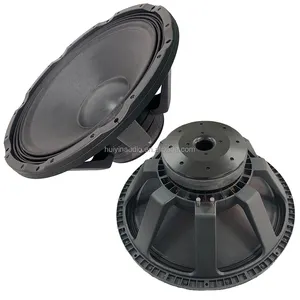
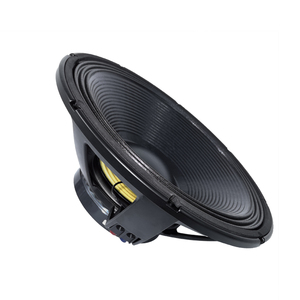
Confirm suppliers possess in-house engineering capacity for DSP integration, crossover design, and FIR filtering. Key indicators include availability of configurable parameters such as phase alignment, limiter curves, and EQ presets. Verify use of standardized components—e.g., 18-inch or 21-inch low-frequency drivers, Neutrik PowerCon inputs, and M10/M8 fly points—and request test reports on sensitivity (≥98dB SPL), distortion levels (<3% THD at full power), and enclosure durability (IP20 minimum).
Production Infrastructure Assessment
Evaluate the following operational benchmarks:
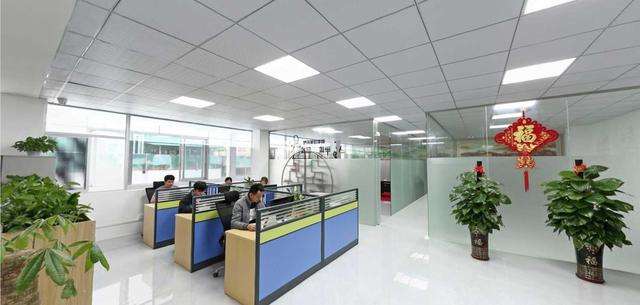
- Own production line confirmed via facility photos or video audits
- In-house capabilities covering cabinet construction, driver assembly, DSP programming, and final burn-in testing
- Minimum monthly output capacity exceeding 300 units for scalable orders
- Use of premium materials: void-free Baltic birch, powder-coated steel grilles, and weather-resistant finishes for outdoor models
Cross-reference supplier claims with on-time delivery performance (target ≥90%) and reorder rates (indicative of customer satisfaction).
Quality & Transaction Assurance
Prioritize partners offering third-party inspection options and transparent quality control protocols. While formal ISO 9001 certification is not universally listed, consistent adherence to internal QC checklists—covering solder joints, amplifier calibration, and acoustic consistency across batches—is critical. Utilize secure payment methods with milestone-based disbursements, especially for custom configurations involving logo imprinting, color matching, or modified rigging geometry.
What Are the Leading Line Array Subwoofer Producers?
| Company Name | Main Products | Customization | Online Revenue | On-Time Delivery | Response Time | Reorder Rate | Min. Order Quantity | Price Range (USD) |
|---|---|---|---|---|---|---|---|---|
| Guangzhou Lase Sound Co., Ltd. | Dual 12" to 21" powered/passive arrays | Polyurea coating, DSP settings, fly case, logo, color | US $710,000+ | 93% | ≤2h | 29% | 2–6 pieces | $250–$1,980 |
| Guangzhou Forest Stage Equipment Co., Ltd. | 18" dual-driver passive arrays, full-range LA systems | Limited customization noted | US $10,000+ | 100% | ≤2h | 42% | 1 piece | $197–$950 |
| L-Solution Audio Engineering Co., Ltd | High-end active arrays, L-shaped solutions, KR series | Driver specs, color, packaging, model variants | US $220,000+ | 91% | ≤2h | 30% | 1 piece/set | $530–$11,000 |
| Guangdong Aiyinmei Digital Technology Co., Ltd. | Budget portable arrays, DJ/party systems | Not specified | US $1,000+ | 100% | ≤7h | <15% | 1–5 pieces/sets | $185–$563 |
| Guangzhou Morin Sound Audio Equipment Ltd. | Active 10"–18" arrays, DSP-integrated subs | Color, labeling, DSP firmware options | US $50,000+ | 94% | ≤6h | 41% | 1–2 pieces | $145–$780 |
Performance Analysis
Guangzhou Forest Stage Equipment and Guangzhou Morin Sound demonstrate exceptional order reliability with 100% and 94% on-time delivery, respectively, making them strong candidates for time-sensitive deployments. Morin stands out for cost efficiency, offering compact active subwoofers from $145 with flexible MOQs. L-Solution targets premium installations, evidenced by high-ticket systems like the $11,000 K210/KS28 array, indicating expertise in large-scale venue deployments. Lase Sound offers broad customization depth, particularly in DSP configuration and protective coatings, suitable for integrators requiring branded, field-tunable systems. Aiyinmei serves entry-tier demand but exhibits lower buyer retention (<15% reorder rate), suggesting potential limitations in after-sales support or product consistency.
FAQs
Do line array subwoofer producers offer OEM/ODM services?
Yes, many suppliers provide OEM options including custom color finishes, laser-engraved logos, proprietary DSP tuning, and unique enclosure dimensions. Confirmation of tooling capability and NDA-compliant workflows is recommended before engagement.
What is the typical lead time for bulk orders?
Standard production cycles range from 15 to 30 days for quantities of 10–50 units. Custom builds with specialized DSP or mechanical modifications may extend to 45 days. Air freight adds 5–7 days; sea shipping takes 20–35 days depending on destination.
Are samples available for acoustic evaluation?
Most suppliers offer sample units at full price, often deductible upon bulk order placement. Sample pricing typically reflects 100–120% of unit cost, with return policies varying by company. Acoustic validation should include measurements of low-frequency extension, transient response, and thermal compression under sustained signal.
Can suppliers integrate third-party amplifiers or DSP platforms?
Some manufacturers support external processing via line-level inputs and bi-amp configurations. However, most proprietary active systems utilize embedded Class D amplifiers with fixed DSP architectures. Request firmware documentation and input/output matrix details prior to integration planning.
What packaging and export support is standard?
Products are generally shipped in double-wall cardboard with foam lining or flight cases for premium models. Export documentation (packing list, commercial invoice, bill of lading) is provided. Compliance with CE, RoHS, or FCC standards should be verified per target market requirements.





