

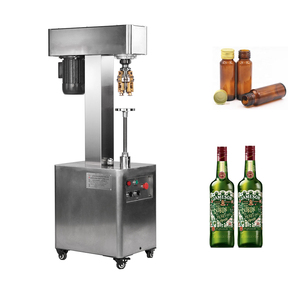


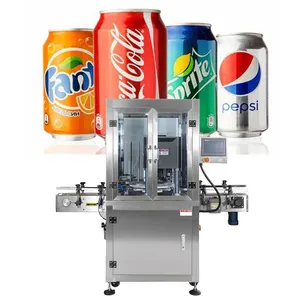
Manual Capper





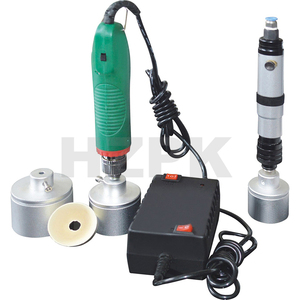


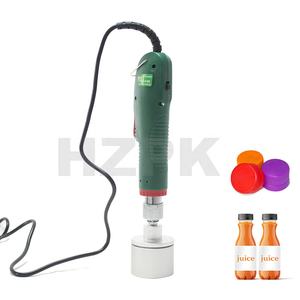


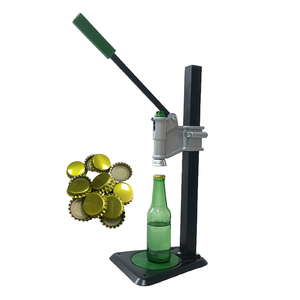
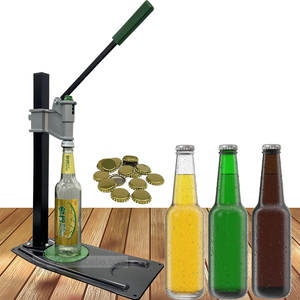


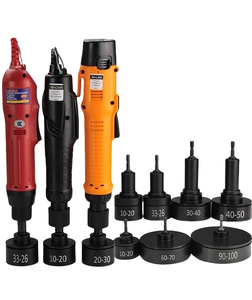
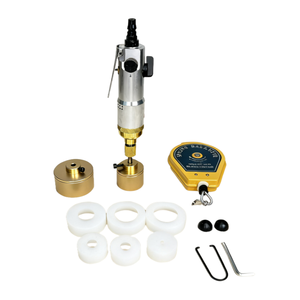
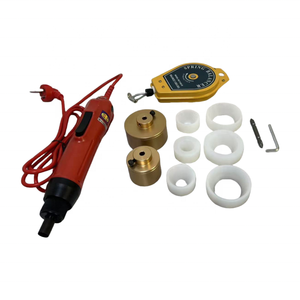
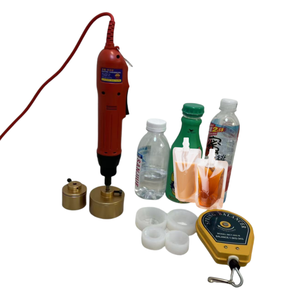
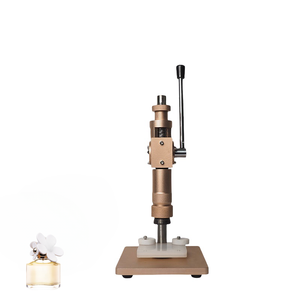


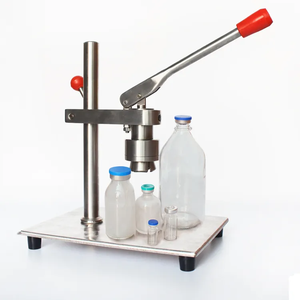
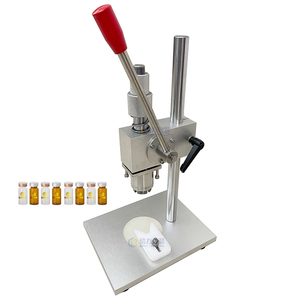


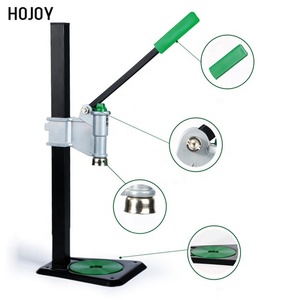
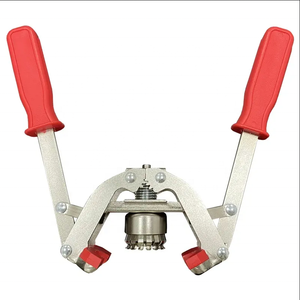

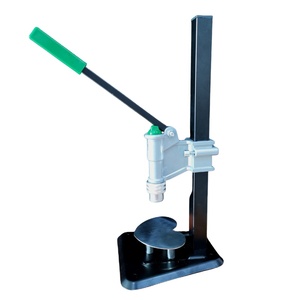
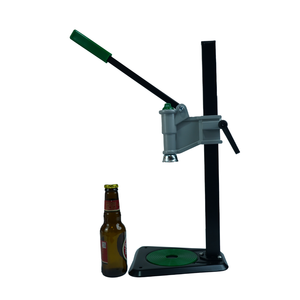


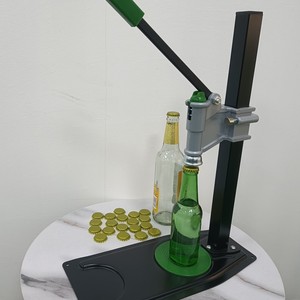
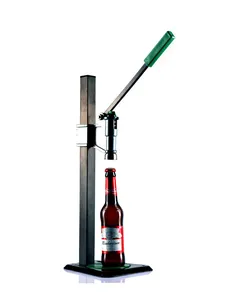




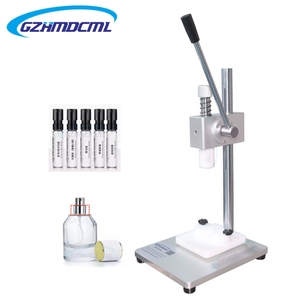
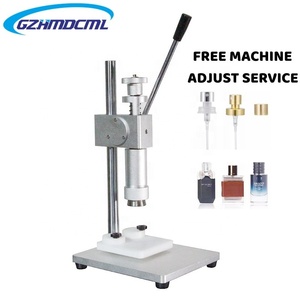

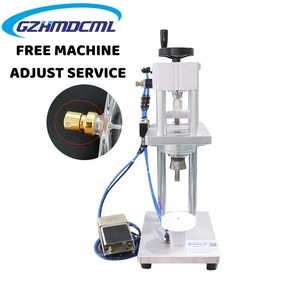
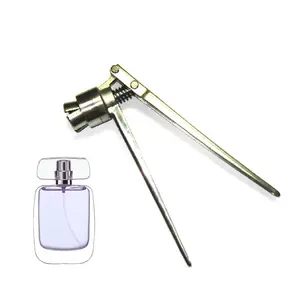


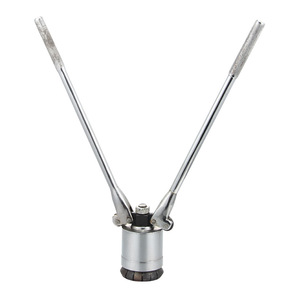
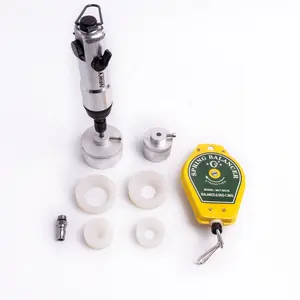

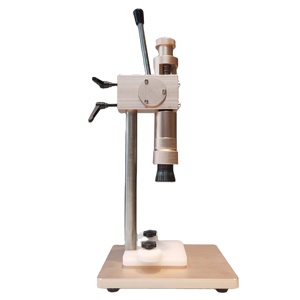


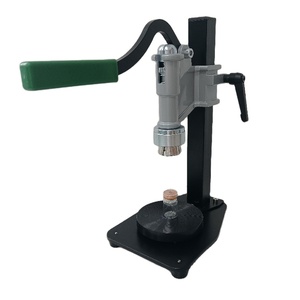


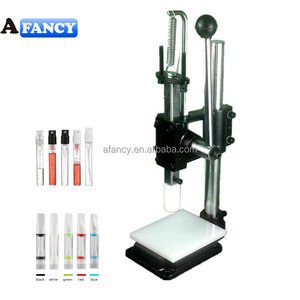

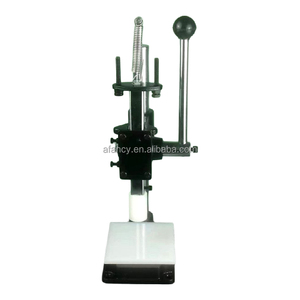
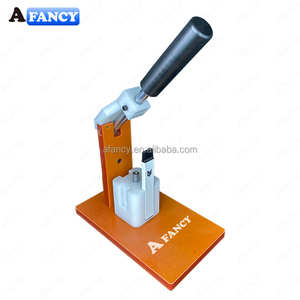


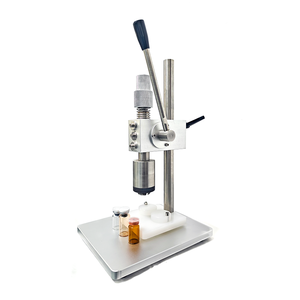
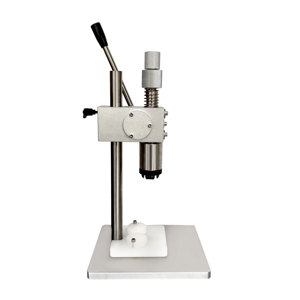
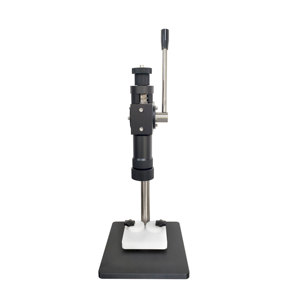
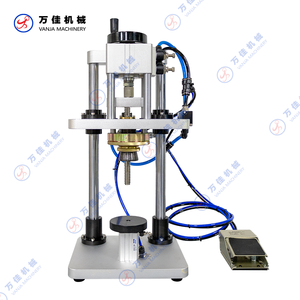


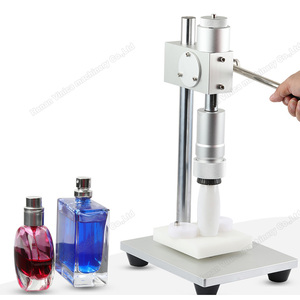
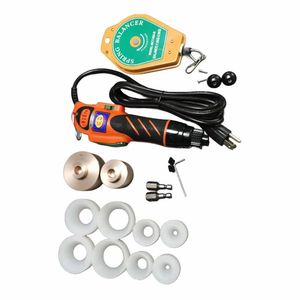


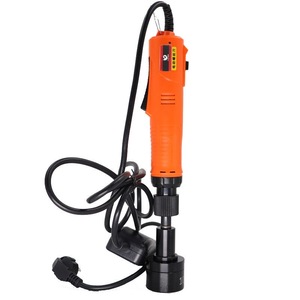


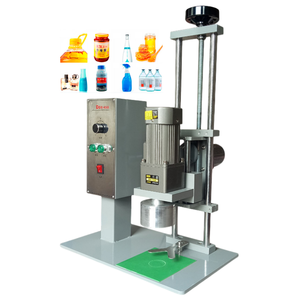


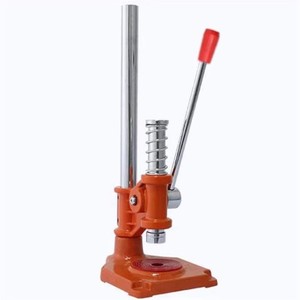


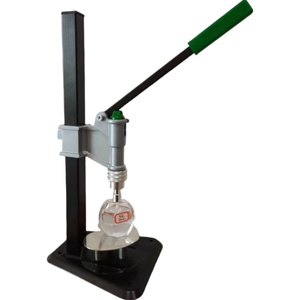


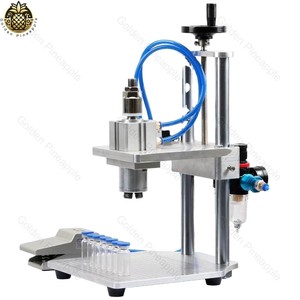
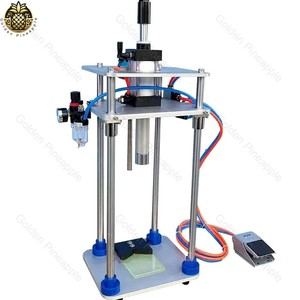

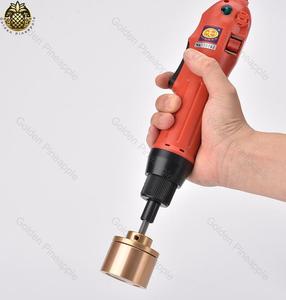
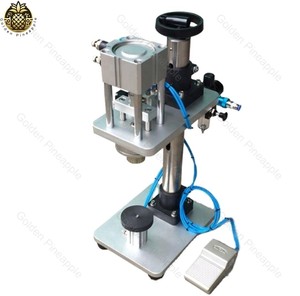


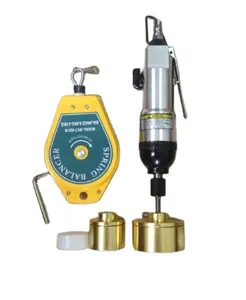


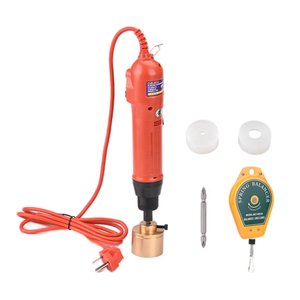


About manual capper
Where to Find Manual Capper Suppliers?
China remains the dominant hub for manual capper manufacturing, with key production clusters in Zhejiang, Fujian, and Guangdong provinces. These regions host vertically integrated supply chains specializing in packaging machinery, enabling efficient production of handheld, benchtop, and semi-automatic capping tools. Wenzhou and Dongguan serve as core industrial zones, offering access to precision machining, tooling, and assembly infrastructure that supports both mass production and custom engineering.
Suppliers in these clusters benefit from localized networks of component manufacturers—such as cap chuck producers, pneumatic system integrators, and stainless steel fabricators—reducing lead times by 20–30% compared to offshore alternatives. The proximity of raw material suppliers and logistics hubs allows for rapid prototyping and order fulfillment, with standard delivery cycles averaging 15–30 days. Buyers gain flexibility in MOQs, ranging from single-unit test orders to container-scale procurement, supported by established export channels to North America, Europe, and Southeast Asia.
How to Choose Manual Capper Suppliers?
Selecting reliable partners requires a structured evaluation of technical capability, operational performance, and transactional reliability.
Quality and Compliance Verification
While explicit ISO or CE certifications are not disclosed in available data, buyers should prioritize suppliers demonstrating consistent on-time delivery (≥99%) and fast response times (≤2 hours). Operational compliance with international safety and electromagnetic standards is critical for market entry, particularly in regulated sectors like cosmetics, pharmaceuticals, and food & beverage. Request documentation for material specifications (e.g., 304 stainless steel contact parts) and torque calibration reports for consistent seal integrity.
Production and Customization Capacity
Assess supplier capabilities through the following indicators:
- Offerings across multiple capping types (spindle, chuck, crimping, snap-on) indicate technical versatility
- Customization options including cap diameter range (10–50mm), voltage, color, and branding suggest flexible tooling infrastructure
- Diverse product lines (e.g., cosmetic, honey, beer, pharmaceutical) reflect cross-industry engineering experience
Cross-reference online revenue metrics (ranging from $6,000 to $960,000+) with reorder rates (<15% across all listed suppliers) to gauge customer retention and product reliability. Lower reorder rates may indicate niche usage patterns or one-time equipment purchases rather than dissatisfaction.
Procurement and Transaction Safeguards
Utilize secure payment mechanisms such as escrow services to mitigate risk. Confirm return policies, warranty terms (typically 12 months), and after-sales support availability before order placement. Prioritize suppliers with transparent communication, multilingual support, and video-based factory verification options to validate claims about production scale and quality control processes.
What Are the Best Manual Capper Suppliers?
| Company Name | Type | Product Range | Price Range (USD) | Min. Order Quantity | On-Time Delivery | Avg. Response | Online Revenue | Reorder Rate |
|---|---|---|---|---|---|---|---|---|
| Wenzhou Haizhou Import And Export Co., Ltd. | Custom Manufacturer | Plastic, glass, cosmetic, honey bottle cappers | $46–349/set | 1 set | 99% | ≤1h | $960,000+ | <15% |
| Xiamen Haojingyi Technology Co., Ltd. | Manufacturer | Bench, home brew, adjustable cappers | $5.50–14/unit | 1–5 pieces | 100% | ≤2h | $20,000+ | <15% |
| Dongguan Migada Machinery Co.,Ltd. | Manufacturer | Handheld, pneumatic, electric, perfume cappers | $38–259/set | 1 set | 100% | ≤1h | $90,000+ | <15% |
| Nantong Geili Packaging Materials Co., Ltd. | Manufacturer | Desktop, manual crimper, vial cappers | $30–300/unit | 1–3 pieces | 100% | ≤5h | $6,000+ | <15% |
| Xiamen Hojoy Import&export Co., Ltd. | Manufacturer | Home brew, bench, press-style cappers | $5.90–28.80/unit | 1–2 pieces | 100% | ≤7h | $5,000+ | 15% |
Performance Analysis
Wenzhou Haizhou stands out with the highest reported online revenue ($960,000+) and broad customization capabilities, positioning it as a preferred partner for mid-to-large volume buyers requiring tailored solutions. Xiamen Haojingyi and Dongguan Migada offer competitive pricing and rapid response times (≤2h and ≤1h, respectively), making them suitable for urgent procurement cycles. All top-tier suppliers maintain 100% on-time delivery except Wenzhou Haizhou (99%), indicating strong logistical execution across the segment.
While none report high reorder rates (>15%), this reflects the durable nature of manual capping tools, which are typically purchased once per production line setup. Suppliers with wider product portfolios—such as Migada and Haizhou—demonstrate greater engineering adaptability, supporting applications from laboratory vials to industrial beverage lines.
FAQs
What is the typical MOQ for manual cappers?
MOQs vary by supplier and model, ranging from 1 piece for individual tools to 5-piece minimums for budget models. Desktop and industrial units often require 1-set orders. Bulk discounts apply at 50+ units for most manufacturers.
How long does production and shipping take?
Lead time for standard units is typically 7–15 days post-payment. Add 5–10 days for air freight to North America or Europe. Sea freight extends transit to 25–35 days but reduces per-unit shipping costs significantly for container loads.
Can manual cappers be customized?
Yes. Common customization options include cap diameter adjustment (10–50mm), motor voltage (110V/220V), body color, logo printing, and integration with turntables or vacuum sealing modules. Suppliers like Wenzhou Haizhou explicitly list these services in their capabilities.
Do suppliers provide samples?
Most suppliers allow single-unit purchases as functional samples. Pricing aligns with retail rates, typically $5.50–$300 depending on complexity. This enables performance testing before scaling procurement.
What materials are used in construction?
Manual cappers commonly use aluminum alloy frames for lightweight durability and 304 stainless steel in contact components to resist corrosion. Plastic housings are limited to non-critical structural parts in low-cost models.





