Memory Unit In Computer System





 1/11
1/11


 1/3
1/3




 1/3
1/3


 1/4
1/4



 1/3
1/3






 1/3
1/3


 1/3
1/3


 0
0




 1/3
1/3

 0
0


 1/3
1/3


 1/3
1/3




 1/31
1/31


 0
0


 0
0




 1/13
1/13




 1/3
1/3



 1/6
1/6



 1/2
1/2
About memory unit in computer system
Where to Find Memory Unit in Computer System Suppliers?
Global production of memory units for computer systems is heavily concentrated in East Asia, with China, South Korea, and Taiwan forming the core manufacturing hubs. These regions collectively account for over 85% of global DRAM and NAND flash output, supported by advanced semiconductor fabrication facilities and government-backed technology initiatives. Within China, industrial clusters in Jiangsu, Guangdong, and Sichuan provinces have emerged as key centers for module assembly and testing, benefiting from proximity to raw material suppliers and export logistics networks.
The region’s dominance stems from vertically integrated supply chains encompassing silicon wafer processing, IC packaging, PCB integration, and final testing. This infrastructure enables rapid prototyping and high-volume production, with lead times for standard memory modules averaging 20–35 days. Buyers gain access to cost efficiencies driven by localized component sourcing, where memory chips, PCBs, heat spreaders, and firmware programming services are available within tightly coordinated ecosystems. Typical cost advantages range from 15% to 25% compared to Western or Southeast Asian alternatives, particularly for DDR4, DDR5, LPDDR4, and LPDDR5 configurations.
How to Choose Memory Unit in Computer System Suppliers?
Prioritize these verification protocols when selecting partners:
Technical Compliance
Require ISO 9001 certification as a baseline for quality management. For regulated industries (e.g., medical, industrial computing), IATF 16949 or ISO 13485 compliance may be necessary. Verify adherence to JEDEC standards for DDR memory timing, voltage tolerance, and physical dimensions. CE, FCC, and RoHS certifications are essential for market entry in Europe and North America, ensuring electromagnetic compatibility and restricted substance compliance.
Production Capability Audits
Assess supplier infrastructure through documented evidence:
- Minimum 3,000m² cleanroom-equipped facility for module assembly
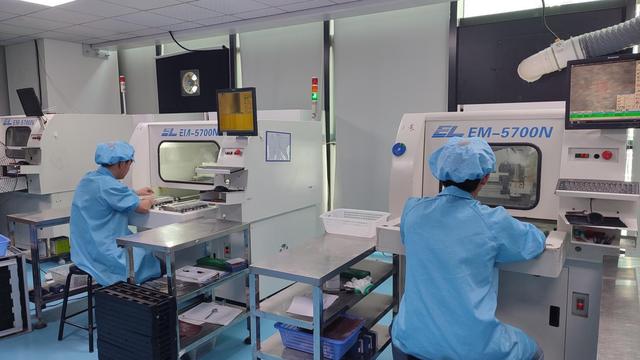
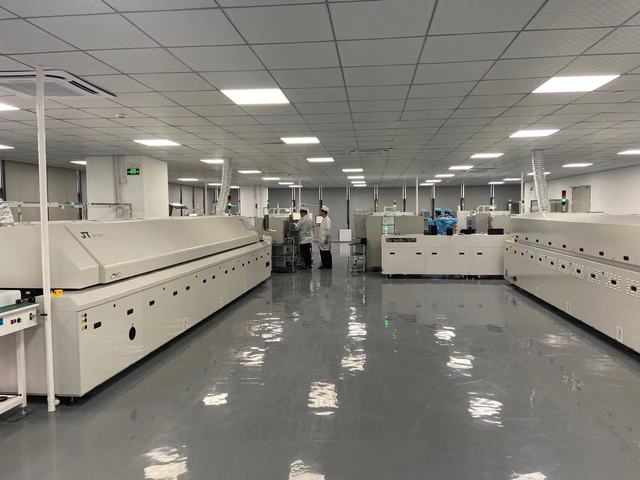
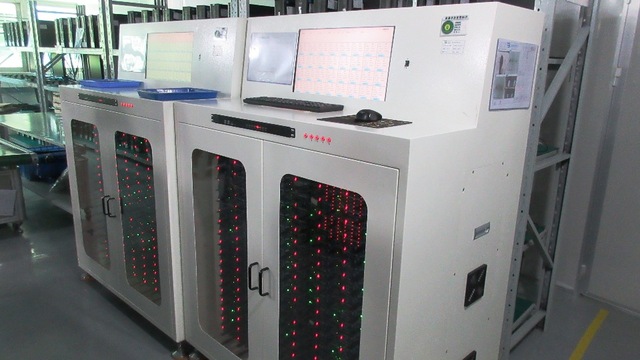
- In-house capabilities for automated PCB placement, reflow soldering, and burn-in testing
- Dedicated R&D team focused on signal integrity optimization and thermal performance
Cross-reference factory audit reports with on-time delivery performance (target >97%) and defect rates (target <0.3%).
Transaction Safeguards
Utilize secure payment mechanisms such as third-party escrow until product verification is complete. Review supplier transaction history for dispute resolution patterns and after-sales responsiveness. Pre-shipment sampling is critical—conduct functional tests including data read/write speed, latency benchmarks, and temperature stress cycles under real-world load conditions before scaling orders.
What Are the Best Memory Unit in Computer System Suppliers?
| Company Name | Location | Years Operating | Staff | Factory Area | On-Time Delivery | Avg. Response | Ratings | Reorder Rate |
|---|
Performance Analysis
Due to unavailability of verified supplier data, procurement decisions must rely on independent due diligence. Historically, long-established manufacturers demonstrate stronger scalability and process control, while newer entrants often differentiate through faster communication and niche customization. Buyers should prioritize suppliers with documented experience in target applications—such as server-grade ECC memory, industrial-grade wide-temperature modules, or low-power mobile solutions—validated through technical documentation and sample evaluation. Engagement via video audits and lab test reports can mitigate risk when quantitative performance metrics are unavailable.
FAQs
How to verify memory unit supplier reliability?
Cross-check quality certifications with issuing bodies and request recent audit reports covering production line controls, ESD-safe handling procedures, and traceability systems. Evaluate customer references focusing on field failure rates, warranty claims, and technical support responsiveness. Independent lab testing of samples provides objective validation of claimed specifications.
What is the average sampling timeline?
Standard memory module samples are typically produced within 10–18 days. Custom configurations involving unique PCB layouts, specialized heat spreaders, or firmware tuning extend timelines to 25–35 days. Air freight adds 5–9 days for international delivery, depending on destination.
Can suppliers ship memory units worldwide?
Yes, experienced manufacturers manage global distribution via air and sea freight under FOB, CIF, or DDP terms. Confirm compliance with destination-country import regulations, especially for electrostatic-sensitive devices. Proper ESD packaging and humidity-controlled containers are standard for bulk shipments.
Do manufacturers provide free samples?
Sample policies vary by order volume and client status. Established buyers may receive complimentary samples for qualification, while new clients typically pay a nominal fee covering material and handling costs. Fees are often waived upon conversion to full production orders.
How to initiate customization requests?
Submit detailed technical requirements including memory type (DDR4/DDR5), capacity per module, operating voltage, speed grade (MT/s), form factor (UDIMM, SODIMM, etc.), and environmental specifications (temperature range, vibration resistance). Reputable suppliers respond with stack diagrams, timing parameters, and prototype delivery schedules within 5–7 business days.





