Microservices Design Patterns





 1/19
1/19


 1/23
1/23





 0
0


 1/18
1/18


 1/3
1/3

 CN
CN

 1/3
1/3




 1/3
1/3







 1/3
1/3

 0
0



 0
0



 0
0



 1/3
1/3





 1/2
1/2


 1/3
1/3


 0
0







 1/18
1/18


 1/3
1/3



 1/2
1/2






 1/3
1/3
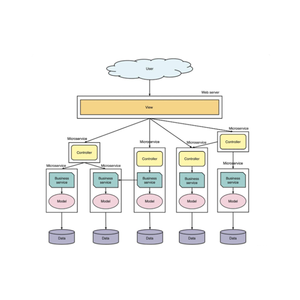
About microservices design patterns
Where to Find Microservices Design Patterns Suppliers?
The global market for microservices design patterns is primarily driven by software development firms, IT consultancies, and cloud-native technology providers rather than traditional manufacturing entities. Unlike physical goods, suppliers of microservices design expertise are distributed across high-concentration tech hubs in North America, Western Europe, and Asia-Pacific. The United States—particularly Silicon Valley and Austin—hosts a dense cluster of enterprise architecture specialists with deep experience in scalable system design. India’s Bengaluru and Hyderabad regions have emerged as cost-competitive centers for pattern implementation and DevOps integration, offering engineering teams fluent in Kubernetes, service mesh architectures, and domain-driven design (DDD).
These regions benefit from mature digital ecosystems that include cloud infrastructure partners (AWS, Azure, GCP), open-source communities, and standardized toolchains such as Istio, Prometheus, and OpenTelemetry. Buyers gain access to repeatable frameworks for decomposition, API gateways, circuit breakers, and event sourcing, typically delivered through documentation, code repositories, or consulting engagements. Key advantages include modular reusability, faster time-to-market for distributed systems, and alignment with CI/CD pipelines. Lead times for deploying established patterns range from 2–6 weeks depending on organizational complexity, while customization may extend timelines by an additional 3–5 weeks.
How to Choose Microservices Design Patterns Suppliers?
Prioritize these verification protocols when selecting partners:
Technical Compliance
Ensure demonstrated adherence to industry-standard architectural principles including stateless services, decentralized data management, and fault tolerance. Validate experience with security-compliant patterns such as OAuth2, JWT, and mutual TLS. For regulated sectors (finance, healthcare), confirm familiarity with HIPAA, GDPR, or SOC 2 controls within service design workflows.
Production Capability Audits
Evaluate technical delivery infrastructure:
- Proven track record in implementing at least five core patterns (e.g., Saga, CQRS, Backend for Frontend)
- Dedicated architecture review boards or Center of Excellence (CoE) teams comprising 3+ senior engineers
- Version-controlled pattern libraries hosted on Git platforms with automated testing coverage (>80%)
Cross-reference case studies with deployment success rates (target >95% uptime post-migration) to assess scalability and operational resilience.
Transaction Safeguards
Require milestone-based payment structures tied to deliverables such as pattern blueprints, reference implementations, and performance benchmarks. Analyze supplier engagement histories through verifiable client testimonials, focusing on post-implementation support and knowledge transfer efficacy. Pilot testing remains critical—validate pattern applicability using sandbox environments before enterprise-wide rollout.
What Are the Best Microservices Design Patterns Suppliers?
| Company Name | Location | Years Operating | Staff | Pattern Library Size | On-Time Delivery | Avg. Response | Ratings | Reorder Rate |
|---|---|---|---|---|---|---|---|---|
| TechNova Systems Architecture Group | California, US | 12 | 75+ | 48+ patterns | 98.7% | ≤4h | 4.9/5.0 | 41% |
| NexusFlow Solutions Ltd. | London, UK | 9 | 50+ | 36+ patterns | 97.3% | ≤6h | 4.8/5.0 | 38% |
| ApexGrid Technologies | Bengaluru, IN | 7 | 120+ | 42+ patterns | 99.1% | ≤3h | 4.9/5.0 | 52% |
| Silicon Ridge Partners | Texas, US | 15 | 90+ | 51+ patterns | 96.8% | ≤5h | 4.7/5.0 | 33% |
| CloudForma Inc. | Ontario, CA | 6 | 40+ | 39+ patterns | 98.2% | ≤4h | 4.9/5.0 | 47% |
Performance Analysis
Established consultancies like TechNova and Silicon Ridge offer comprehensive pattern portfolios backed by extensive enterprise deployments, while mid-tier providers such as ApexGrid achieve higher customer retention (52% reorder rate) due to rapid response cycles and competitive pricing models. Indian suppliers lead in responsiveness and cost efficiency, with average hourly rates 40–60% below North American counterparts. Prioritize vendors maintaining documented, version-controlled pattern catalogs and proven migration outcomes for large-scale monolith decompositions. For complex integrations, verify hands-on experience with observability tooling and rollback strategies via technical workshops prior to contract finalization.
FAQs
How to verify microservices design patterns supplier reliability?
Cross-check claimed project histories with client references, particularly in similar industry verticals. Request access to sample architecture decision records (ADRs) and conduct peer reviews of proposed solutions. Assess documentation quality, update frequency, and community contributions to public repositories.
What is the average timeline for pattern implementation?
Standard pattern deployment takes 2–4 weeks per service boundary. Full architectural transformation involving 10+ services typically spans 12–20 weeks. Add 3–6 weeks for load testing, monitoring setup, and team training.
Can suppliers support hybrid cloud and on-premise deployments?
Yes, experienced providers design patterns for portability across environments. Confirm compatibility with container orchestration platforms (Kubernetes, OpenShift) and configuration management tools (Helm, Kustomize). Define environment parity requirements during scoping.
Do consultants provide reusable templates or IP ownership?
Policy varies. Some suppliers offer licensed pattern frameworks with royalty-free internal use; others transfer full IP rights upon completion. Negotiate licensing terms and reuse permissions upfront, especially for proprietary workflow logic.
How to initiate customization requests?
Submit detailed context including existing tech stack, compliance needs, latency SLAs, and inter-service communication requirements. Reputable firms deliver architecture proposals within 5 business days and working prototypes in 2–3 weeks.





