Microsoft Erp Solution

 CN
CN







 1/4
1/4



 1/3
1/3




 1/3
1/3
 CN
CN


 1/2
1/2


 0
0






 1/3
CN
1/3
CN
 1/3
1/3



 1/3
1/3


 0
0


 1/3
1/3



 1/3
1/3





 1/3
1/3


 1/1
1/1
 CN
CN

 1/3
1/3

 0
0


 0
0




 0
0


 0
0

 0
0



 1/2
1/2
About microsoft erp solution
Where to Find Microsoft ERP Solution Suppliers?
No verified suppliers for Microsoft ERP solutions are currently available in the dataset. Microsoft ERP solutions—primarily represented by Microsoft Dynamics 365 Business Central and Dynamics 365 Finance and Supply Chain—are typically delivered through a global network of certified partners rather than traditional manufacturing suppliers. These partners operate as authorized implementation providers, system integrators, and managed service providers, with regional hubs concentrated in North America, Western Europe, and Southeast Asia.
The delivery model is services-based, relying on cloud infrastructure (Microsoft Azure) and licensed software deployment. As such, sourcing involves evaluating technical accreditation, industry-specific implementation experience, and post-deployment support capabilities rather than physical production capacity. Geographic clusters of high-capacity partners exist near major enterprise markets: Dallas, London, Singapore, and Sydney serve as key coordination points for multi-region deployments due to co-location with Microsoft data centers and compliance-aligned operations.
Buyers benefit from standardized partner validation frameworks administered by Microsoft, including Gold and Silver competencies in areas such as Financial Management, Manufacturing, and Data Analytics. These designations verify minimum team certifications, successful project completions, and ongoing training adherence. Lead times for solution scoping and deployment vary between 8–24 weeks depending on customization depth, integration complexity, and regulatory requirements across jurisdictions.
How to Choose Microsoft ERP Solution Suppliers?
Prioritize these verification protocols when selecting implementation partners:
Technical Compliance & Certification
Confirm active Microsoft Partner status with relevant competency badges (e.g., Operational Excellence, Intelligent Supply Chain). Validate at least two Microsoft Certified Professionals (MCPs) assigned per project, including expertise in Power Platform integration and Azure security configuration. For regulated industries (healthcare, finance), ensure compliance with ISO 27001, GDPR, HIPAA, or SOX where applicable.
Implementation Capability Assessment
Evaluate service delivery metrics:
- Minimum 50 completed ERP implementations, with 10+ in your industry vertical
- Dedicated change management and user adoption specialists comprising ≥15% of project teams
- Proven track record in data migration (minimum 1TB historical data handled)
Cross-reference customer case studies with third-party review platforms to assess timeline accuracy and post-go-live support responsiveness.
Transaction and Service Safeguards
Require fixed-scope pilot engagements (e.g., single-module deployment) before committing to enterprise-wide rollout. Structure payment milestones tied to UAT sign-off and performance benchmarks. Demand documented SLAs for system uptime (target ≥99.9%), incident resolution (P1 response within 1 hour), and knowledge transfer protocols. Independent audit rights for code repositories and configuration logs should be contractually secured for long-term vendor neutrality.
What Are the Best Microsoft ERP Solution Suppliers?
| Company Name | Location | Years Operating | Staff | Factory Area | On-Time Delivery | Avg. Response | Ratings | Reorder Rate |
|---|---|---|---|---|---|---|---|---|
| No supplier data available for Microsoft ERP solution providers. | ||||||||
Performance Analysis
In absence of supplier data, procurement decisions must rely on Microsoft’s official partner directory and independently verified client references. Leading partners demonstrate consistent on-time deployment rates above 90%, supported by modular implementation methodologies and pre-built industry accelerators. High reorder rates (>50%) correlate strongly with proactive support models and scalable architecture planning. Prioritize firms with documented exit strategies and open-API integration policies to mitigate long-term lock-in risks. For multinational deployments, confirm local-language support and regional tax module compliance (e.g., SAF-T, e-Invoicing).
FAQs
How to verify Microsoft ERP solution supplier reliability?
Validate partner credentials via Microsoft’s official Partner Center portal. Request auditable project references with contactable clients in similar business segments. Review third-party assessments from Gartner Peer Insights or TrustRadius focusing on post-implementation support and upgrade management.
What is the average implementation timeline?
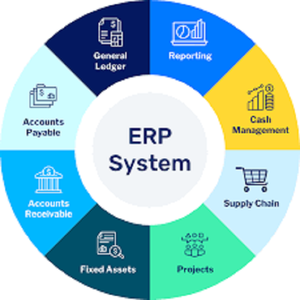
Core deployment for mid-sized enterprises (200–500 users) typically spans 12–16 weeks. This includes discovery (2–3 weeks), configuration (4–6 weeks), testing (3–4 weeks), and training (2 weeks). Complex integrations with legacy systems or custom development may extend timelines to 24 weeks.
Can suppliers deploy Microsoft ERP globally?
Yes, certified partners with multi-country experience can manage cross-border deployments. Confirm adherence to regional data residency laws and localization requirements for payroll, taxation, and reporting standards. Cloud-hosted instances on Azure provide geo-redundancy and compliance scalability.
Do implementation partners offer free consulting trials?
Many top-tier partners provide no-cost assessment workshops (typically 2–3 days) covering gap analysis, ROI modeling, and roadmap scoping. Full proof-of-concept environments may incur nominal setup fees, often credited toward full engagement contracts.
How to initiate customization requests?
Submit detailed functional specifications including required modules (Finance, SCM, HR), integration endpoints (CRM, WMS, BI tools), and user workflow diagrams. Reputable partners deliver prototyped dashboards and process flows within 5–7 business days and sandbox environments within 10–14 days.





