Minimize Keyboard Shortcut



 1/3
1/3


 0
0


 1/3
1/3


 1/3
1/3




 1/3
1/3




 1/1
1/1



 1/3
1/3




 1/1
1/1


 1/3
1/3

 1/3
1/3



 1/3
1/3



 0
0


 1/27
1/27





 1/23
1/23


 1/2
1/2



 1/3
1/3



 1/3
1/3


 1/3
1/3





 1/52
1/52


 1/40
1/40
About minimize keyboard shortcut
Where to Find Minimize Keyboard Shortcut Suppliers?
The term "minimize keyboard shortcut" refers to a digital function rather than a physical product, typically involving software commands or integrated system-level inputs (e.g., Alt+Tab, Win+Down Arrow on Windows; Cmd+M on macOS). As such, there are no industrial manufacturers or physical suppliers for this functionality. Instead, the development and implementation of minimize keyboard shortcuts fall under software engineering teams within operating system providers, application developers, or human-computer interaction (HCI) design units.
These functions are standardized through operating system frameworks—primarily developed by major technology firms such as Microsoft, Apple, and open-source communities like GNOME and KDE. The consistency of these shortcuts across devices stems from adherence to platform-specific human interface guidelines and accessibility standards. No discrete supply chain exists for procurement, as the feature is embedded into firmware, operating systems, or applications during development.
How to Implement or Customize Minimize Keyboard Shortcuts?
For organizations seeking to deploy, modify, or integrate minimize keyboard shortcut behaviors in enterprise environments or custom software solutions, focus should shift from supplier selection to technical specification and software configuration protocols:
System Compatibility Standards
Verify alignment with host operating system requirements:
- Windows: Confirm support for Win+Down Arrow (minimize window) and Alt+Tab (switch applications)
- macOS: Ensure compatibility with Cmd+M (minimize to dock); note that full-screen management uses separate gestures
- Linux: Validate desktop environment mappings (e.g., Super+H in GNOME minimizes windows)
- Accessibility compliance: Adhere to WCAG 2.1 guidelines for keyboard operability (Success Criterion 2.1.1)
Customization & Integration Protocols
Evaluate technical feasibility when modifying default behaviors:
- Use OS-approved tools: AutoHotkey (Windows), Karabiner-Elements (macOS), or xbindkeys (Linux) for remapping
- Avoid low-level kernel driver modifications unless validated through digital signature processes
- Test changes against security policies—some enterprise environments restrict macro or automation tools
- Maintain audit logs when deploying system-wide shortcut overrides in shared computing environments
Quality Assurance & Deployment Safeguards
Prioritize stability and user experience during rollout:
- Conduct regression testing to ensure no conflict with existing hotkeys (e.g., Ctrl+C/V)
- Validate performance across hardware variants (laptops, external keyboards, international layouts)
- Provide fallback mechanisms if custom shortcuts interfere with assistive technologies
- Document all changes in IT knowledge bases to support helpdesk operations
What Are the Leading Providers of Keyboard Shortcut Functionality?
No dedicated suppliers exist for minimize keyboard shortcut features. However, the following entities govern their implementation across platforms:
| Organization | Platform | Function Standardized | Documentation Access | Customization Support | Compliance Frameworks | Support Channels |
|---|---|---|---|---|---|---|
| Microsoft Corporation | Windows 10/11 | Win+Down Arrow (minimize) | MSDN Developer Network | Limited via Group Policy or third-party tools | WCAG 2.1, Section 508 | Enterprise Support, Tech Community |
| Apple Inc. | macOS Sonoma and earlier | Cmd+M (minimize window) | Apple Developer Documentation | Supported via System Settings & Shortcuts app | Accessibility Guidelines, ISO 9241-110 | Pro Support, Developer Forums |
| GNOME Foundation | Linux (GNOME Desktop) | Super+H (hide/minimize window) | GNOME Human Interface Guidelines | Full customization via gsettings or extensions | Open Source Accessibility Principles | Community Mailing Lists, GitHub Issues |
Performance Analysis
Microsoft and Apple enforce strict UX consistency, limiting direct modification of core shortcuts but offering robust APIs for peripheral integration. Open-source platforms like GNOME provide greater flexibility, enabling full reconfiguration—ideal for specialized kiosk systems or accessibility-focused deployments. Enterprises requiring uniform shortcut behavior across fleets should leverage centralized configuration management tools (e.g., Intune, Jamf, Ansible) to enforce policies at scale.
FAQs
Can I source a hardware device that triggers a minimize keyboard shortcut?
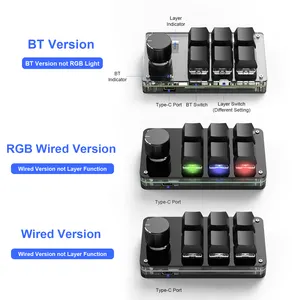
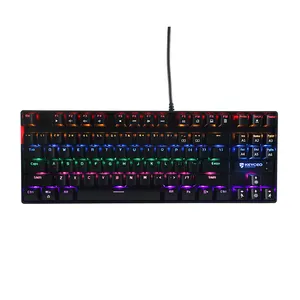
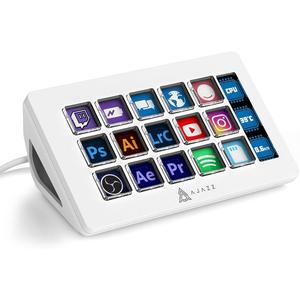
Yes. Programmable input devices—such as mechanical keyboards, macro pads, or USB footswitches—from manufacturers like Keychron, Das Keyboard, or P.I. Engineering can be configured to send minimize commands. These are subject to standard electronics sourcing procedures, including RoHS compliance and FCC certification.
Is there an MOQ for keyboard shortcut-related components?
N/A for the shortcut itself. For programmable hardware interfaces, typical MOQs range from 50–500 units depending on customization level. Sample units are generally available for pre-production evaluation.
What is the lead time for customized input devices supporting minimize functions?
Standard programmable devices ship in 5–10 days. Custom firmware-loaded models require 4–6 weeks, including testing and compliance verification.
Do developers offer SDKs for integrating minimize commands into applications?
Yes. Microsoft UI Automation, Apple Accessibility API, and Linux AT-SPI frameworks allow applications to trigger window minimize actions programmatically. SDKs are freely available through official developer portals.
How to audit the reliability of a software solution using custom minimize shortcuts?
Review code for proper use of OS-native window management APIs. Avoid synthetic key-event injection unless necessary. Test across display configurations (multi-monitor, HiDPI) and virtualized environments. Monitor for conflicts with screen readers or remote desktop tools.





