Modular Led Screen Distributor











 Top sponsor listing





 1/3
1/3


 1/14
1/14





 1/42
1/42




 1/34
1/34


 1/34
1/34









 1/43
1/43




 1/3
1/3



 1/26
1/26


 1/32
1/32




 1/3
1/3


 1/3
1/3







 1/3
1/3


 1/25
1/25




 1/3
1/3



 1/9
1/9




 1/3
1/3




 1/3
1/3

About modular led screen distributor
Where to Find Modular LED Screen Distributors?
China remains the global epicenter for modular LED screen manufacturing and distribution, with key industrial hubs concentrated in Guangdong, Jiangsu, and Zhejiang provinces. Guangdong—particularly the Pearl River Delta region—hosts over 70% of China’s LED display supply chain, supported by Shenzhen’s advanced electronics ecosystem. This cluster integrates SMD (Surface-Mounted Device) packaging, driver IC sourcing, and metal frame fabrication within a 30km radius, enabling rapid prototyping and high-volume assembly. Jiangsu and Zhejiang contribute specialized expertise in outdoor-rated enclosures and power management systems, leveraging proximity to semiconductor and aluminum extrusion facilities.
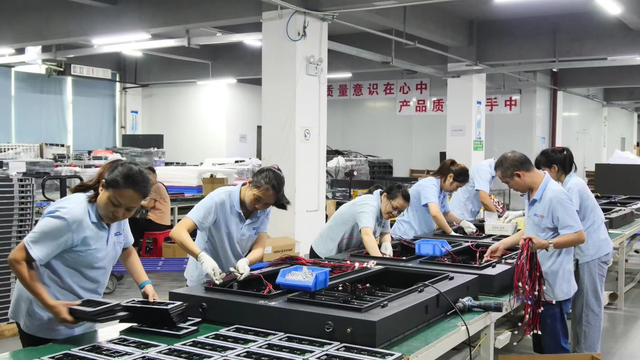
These regions offer scalable production through vertically integrated operations, from PCB printing to final calibration. Distributors benefit from consolidated logistics networks that reduce component procurement lead times by 25–40% compared to non-specialized markets. Buyers gain access to mature technical ecosystems where firmware development, thermal testing, and optical uniformity adjustments are conducted in-house. Key advantages include average lead times of 20–35 days for standard configurations, 18–25% lower unit costs due to localized material sourcing, and flexibility for pixel pitch customization (P1.2 to P10) across indoor and outdoor applications.
How to Choose Modular LED Screen Distributors?
Implement structured evaluation criteria to ensure supplier reliability and technical alignment:
Quality & Compliance Verification
Confirm ISO 9001 certification as a baseline for quality management systems. For international deployments, validate CE, RoHS, and FCC compliance to meet electromagnetic compatibility and environmental standards. Outdoor models must demonstrate IP65 or higher ingress protection ratings, verified through third-party test reports. Inspect documentation for static load testing, ESD protection (≥8kV contact discharge), and color consistency metrics (chromaticity deviation ≤0.003).
Production & Technical Capacity Assessment
Evaluate operational infrastructure using these benchmarks:
- Minimum 3,000m² facility with dedicated clean rooms for SMD mounting
- In-house capabilities for PCB assembly, cabinet welding, and full-panel aging tests
- R&D teams comprising ≥12% of total staff, focused on power efficiency and HDR performance
Cross-reference factory size with monthly output capacity (target: ≥5,000 sqm/month) and verify on-time delivery rates exceeding 96%.
Procurement & Transaction Security
Utilize escrow-based payment terms until product acceptance at destination. Review historical transaction data for dispute frequency and resolution timelines. Prioritize distributors offering sample units for photometric and thermal validation before bulk orders. Benchmark against industry standards including CIE 1931 color space accuracy and refresh rate stability (>3,840Hz for broadcast-grade displays).
What Are the Best Modular LED Screen Distributors?
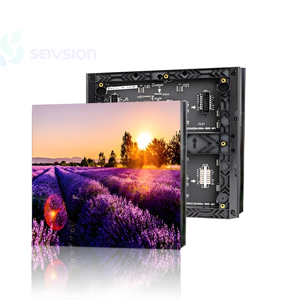
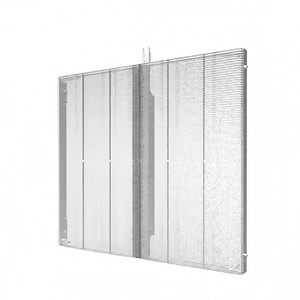
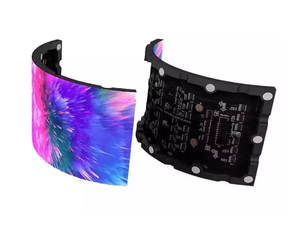
No supplier data is currently available for modular LED screen distributors. Market analysis indicates strong concentration in Shenzhen and Dongguan, where leading firms operate automated SMT lines and maintain partnerships with NationStar, Silan, and Samsung for LED components. Emerging players in Hangzhou and Nanjing are gaining traction through niche offerings in transparent and curved modular panels.
Performance Analysis
While specific profiles are unavailable, top-tier distributors typically distinguish themselves through vertical integration, real-time remote diagnostics support, and adherence to UL/ETL safety standards for North American installations. Buyers should prioritize partners with documented export experience to EU, APAC, and MENA regions, particularly those with pre-certified modules to accelerate customs clearance. Video audits of production floors and firmware calibration processes are recommended to assess technical maturity prior to engagement.
FAQs
How to verify modular LED screen distributor credibility?
Audit certifications through official databases and request traceable test reports from accredited labs. Evaluate customer references focusing on after-sales service, module replacement lead times, and long-term brightness retention (lifespan ≥100,000 hours at 50% luminance). Confirm presence of overseas service centers or partner integrators for maintenance support.
What is the typical sampling timeline?
Standard sample production takes 10–18 days, depending on pixel pitch and cabinet material. Custom designs requiring new molds or control systems may extend to 30 days. Air freight delivery adds 5–9 days internationally. Sample fees typically range from $200–$800, often creditable against future orders above 20 sqm.
Can distributors ship globally?
Yes, experienced suppliers manage worldwide logistics via air, sea, or multimodal routes. Confirm Incoterms (FOB, CIF, DDP) and verify packaging standards—panels should be crated with anti-static foam and humidity indicators. Sea freight is optimal for container loads (20ft+), reducing per-unit shipping costs by up to 60% versus express air.
Do distributors offer free samples?
Free samples are uncommon but negotiable for projected annual volumes exceeding 100 sqm. Some suppliers waive fees upon confirmation of purchase agreements. Pilot project discounts (30–50% off sample cost) are frequently available for qualified buyers.
How to initiate customization requests?
Submit detailed technical requirements including desired pixel pitch, cabinet dimensions, input signal types (HDMI, SDI, HDBaseT), and ambient brightness (nits). Reputable distributors provide engineering feedback within 48 hours, followed by mechanical drawings and control system schematics. Prototypes for non-standard configurations typically take 3–5 weeks to complete.





