Mongodb Database Tools







 0
0






 1/3
1/3




 1/3
1/3


 0
0



 1/3
1/3



 1/1
1/1










 1/3
1/3



 0
0




 1/3
1/3




 1/1
1/1



 0
0









 1/3
1/3


 0
0






 1/3
1/3




 0
0






 1/3
1/3



 1/3
1/3


 1/2
1/2
About mongodb database tools
Where to Find MongoDB Database Tools Suppliers?
Global sourcing for MongoDB database tools is increasingly concentrated among specialized software providers in China and India, where cost-efficient development ecosystems and skilled technical labor pools enable competitive pricing and rapid deployment. Chengdu and Guangzhou in China, along with Hyderabad and Bangalore in India, have emerged as key hubs for database software and tooling solutions, hosting firms that offer both off-the-shelf and OEM-compatible products tailored for enterprise data management workflows.
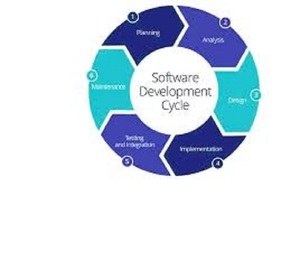
These regions support vertically integrated software development cycles—from backend architecture design to UI/UX implementation and cloud integration—allowing suppliers to deliver scalable solutions within compressed timelines. Buyers benefit from proximity to talent in full-stack development and DevOps engineering, with many suppliers maintaining agile teams capable of supporting MongoDB-specific tooling such as schema analyzers, query optimizers, backup automation, and monitoring dashboards. Typical lead times range from 5–10 business days for license delivery, with customization options available for API integrations and role-based access control systems.
How to Choose MongoDB Database Tools Suppliers?
Selecting reliable suppliers requires rigorous evaluation across technical capability, transaction reliability, and post-sale support metrics:
Technical Expertise Validation
Confirm supplier specialization in database administration through product portfolios focused on MongoDB or NoSQL environments. Prioritize vendors offering tools with native JSON support, aggregation pipeline debugging, sharding visualization, and replica set management. Request documentation of software architecture, update frequency, and compatibility with MongoDB Atlas or self-hosted deployments.
Operational Performance Indicators
Assess responsiveness and reliability using verifiable metrics:
- Response time under 4 hours (top-tier suppliers achieve ≤2h)
- On-time delivery rate exceeding 93%
- Reorder rates above 20% indicate customer retention and satisfaction
- Minimum one year of active software updates or subscription-based support
Cross-reference online revenue indicators (e.g., US $20,000+ annual platform sales) as proxies for market presence and order volume stability.
Licensing and Transaction Security
Prefer suppliers offering flexible licensing models—perpetual, subscription, or node-locked—with clear terms for upgrades and technical assistance. Use secure payment mechanisms such as escrow services when procuring high-value software packages. Verify whether source code access or white-labeling options are available for OEM use cases.
What Are the Best MongoDB Database Tools Suppliers?
| Company Name | Location | Main Products | Price Range (USD) | Min. Order | On-Time Delivery | Avg. Response | Online Revenue | Reorder Rate |
|---|---|---|---|---|---|---|---|---|
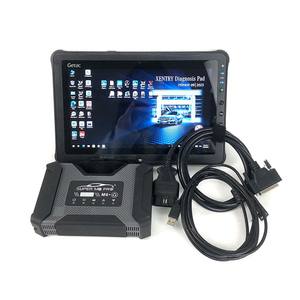
| Chengdu Daobo Technology Co., Ltd. | Sichuan, CN | Diagnostic Tools, Vehicle Keys, POS Software | $75–$2,279 | 1 set | 97% | ≤4h | US $240,000+ | 21% |
| HINDUSTANSOFT CORPORATION | Karnataka, IN | Database Administration Software | $180–$500 | 1 unit | - | ≤1h | - | - |
| KAEM SOFTWARES PRIVATE LIMITED | Tamil Nadu, IN | Enterprise DB Services, POS Platforms | $95 | 2 units | - | ≤2h | US $8,000+ | - |
| USA The Big Dipper Machinery Technology INC | California, US | Auto Repair & Diagnostic Software | $180–$190 | 1 set | - | ≤9h | - | - |
| Guangzhou Mohang Times Info Tech Limited | Guangdong, CN | POS & Inventory Management Software | $25–$65 | 1–2 sets | 93% | ≤10h | US $20,000+ | 22% |
Performance Analysis
Chengdu Daobo Technology stands out with a high reorder rate (21%) and strong delivery performance (97%), supported by diversified software offerings including diagnostic and database tools compatible with MongoDB environments. Indian suppliers like HINDUSTANSOFT and KAEM SOFTWARES emphasize rapid response times (≤1h and ≤2h respectively), indicating robust client engagement protocols despite limited public delivery data. While some lack disclosed reorder metrics, their focus on premium database administration solutions at standardized price points ($95–$500) suggests niche positioning for enterprise clients. Guangzhou Mohang offers the lowest entry cost for integrated POS systems with embedded database functionality, making it suitable for SMBs requiring lightweight MongoDB-compatible tools. Buyers seeking mission-critical tooling should prioritize suppliers with documented update cycles, multi-user access controls, and proven scalability in production environments.
FAQs
How to verify MongoDB database tools supplier reliability?
Validate technical claims by requesting live demos or trial licenses. Review software interface consistency, error logging capabilities, and integration depth with MongoDB shells or Compass. Analyze customer feedback focusing on uptime reliability, update frequency, and clarity of documentation.
What is the typical minimum order quantity (MOQ)?
Most suppliers set MOQ at 1 unit or set for software licenses, though some require purchases of 2 units for certain enterprise editions. No physical inventory is involved, enabling immediate digital fulfillment upon payment clearance.
Are customization options available for MongoDB tools?
Yes, several suppliers offer OEM versions with rebranding, custom dashboard layouts, API extensions, and private deployment support. Development timelines for modifications typically range from 10–20 days depending on scope.
Do suppliers provide ongoing technical support?
Support models vary: some include one-year free software access with initial purchase, while others charge separately for phone/email assistance or SLA-governed maintenance contracts. Confirm availability of version upgrades and compatibility patches for future MongoDB releases.
Can these tools integrate with cloud-hosted MongoDB instances?
Leading suppliers ensure compatibility with MongoDB Atlas, AWS-hosted clusters, and Kubernetes-managed deployments. Verify support for TLS encryption, LDAP authentication, and VPC peering before procurement.





