Multi Level Networking
























 CN
CN






 CN
CN


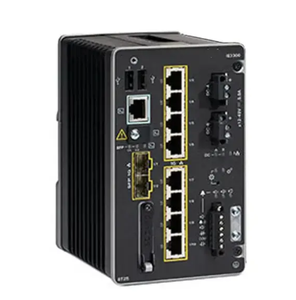


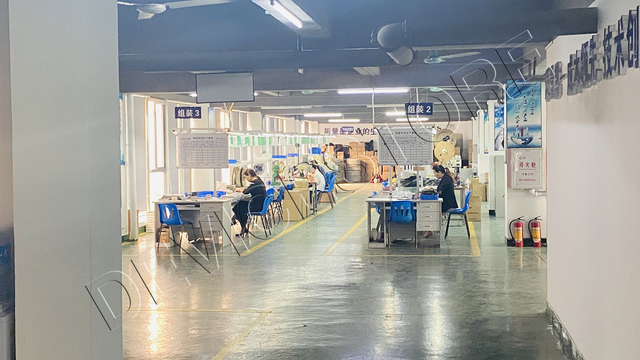


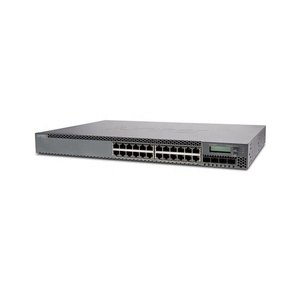


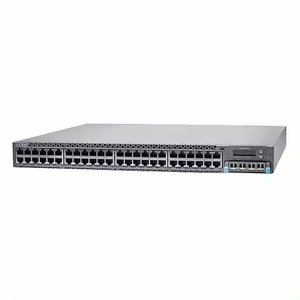





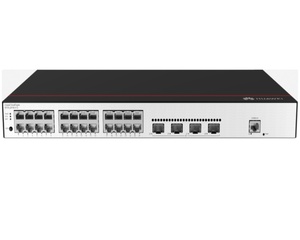
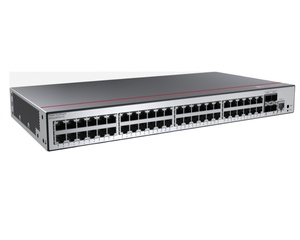
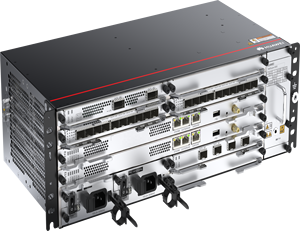
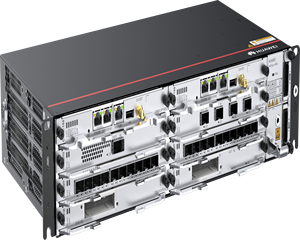
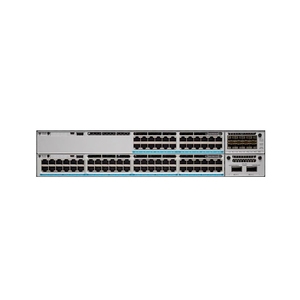
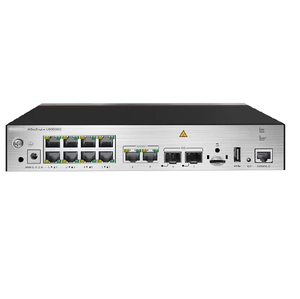
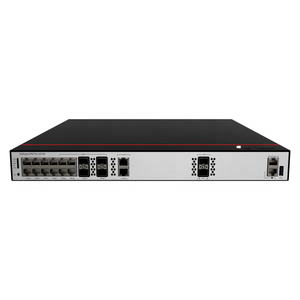
About multi level networking
Where to Find Multi Level Networking Equipment Suppliers?
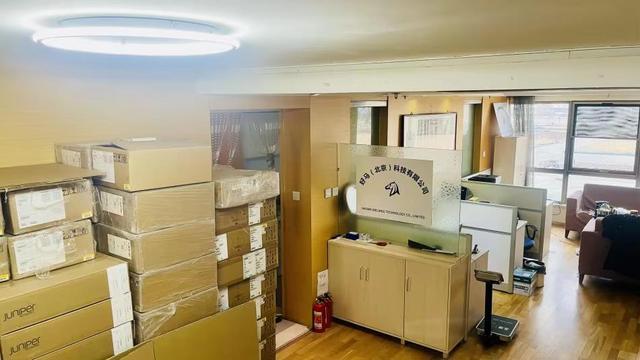
China remains the central hub for multi-level networking equipment manufacturing, with key supplier clusters concentrated in Shenzhen and Henan—regions known for advanced electronics ecosystems and integrated communication technology supply chains. Shenzhen’s Longhua and Bao'an districts host a dense network of fiber optic and enterprise-grade networking equipment producers, leveraging proximity to semiconductor suppliers and R&D centers. This localization enables rapid prototyping and reduces component procurement lead times by 20–30% compared to non-specialized regions.
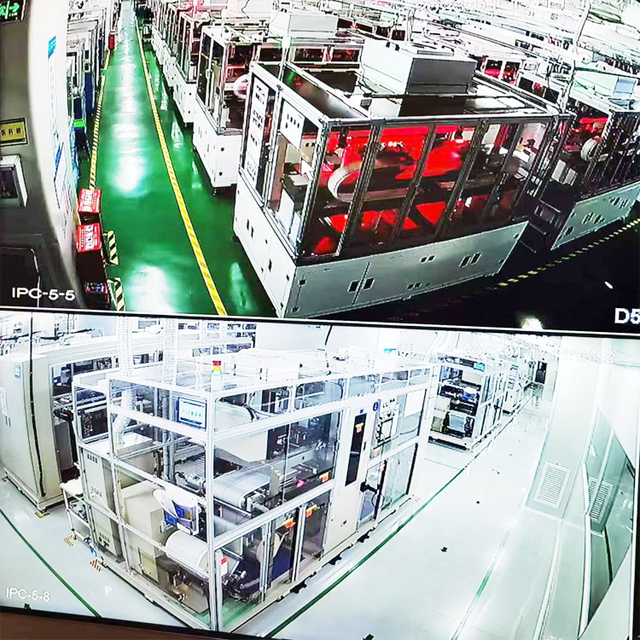
These industrial zones support vertically aligned production, combining PCB assembly, optical transceiver calibration, and switch firmware integration under single facilities. Suppliers benefit from access to certified clean rooms, automated testing rigs, and compliance labs, ensuring adherence to IEEE and ITU-T standards. Buyers gain operational advantages including MOQs as low as one unit for select models, average lead times of 7–15 days for standard orders, and flexibility in custom firmware or port configuration requests. Export infrastructure is mature, with most suppliers experienced in cross-border logistics and compliant packaging for sensitive electronic shipments.
How to Choose Multi Level Networking Equipment Suppliers?
Selecting reliable suppliers requires structured evaluation across technical, operational, and transactional dimensions:
Technical Capability Verification
Confirm that suppliers offer products aligned with defined networking layers (L2/L3 switches, managed/unmanaged variants) and transmission standards (e.g., 10M/100M/1G multimode optics). For mission-critical deployments, verify support for VLAN, QoS, STP, and SNMP protocols. Optical transceivers should comply with MSA (Multi-Source Agreement) specifications and operate within standard wavelength ranges (850nm for multimode).
Production and Quality Assurance
Assess infrastructure maturity through objective indicators:
- On-time delivery rate ≥95% as evidence of logistical reliability
- In-house testing capabilities for bit error rate (BER), jitter, and insertion loss
- Use of automated optical alignment and burn-in procedures for transceivers
Prioritize suppliers with documented quality management systems, even if formal ISO certification is not listed. Response time ≤3 hours indicates active order monitoring and customer service capacity.
Procurement Risk Mitigation
Utilize secure payment mechanisms such as escrow services for initial transactions. Request sample units to validate performance against baseline metrics (e.g., throughput, latency, temperature tolerance). Analyze reorder rates: values below 15% may indicate niche specialization or market competitiveness challenges, while higher rates (≥50%) suggest strong customer retention. Confirm compatibility with existing network architectures before scaling procurement.
What Are the Best Multi Level Networking Equipment Suppliers?
| Company Name | Main Products | Price Range (USD) | Min. Order Quantity | On-Time Delivery | Avg. Response Time | Reorder Rate | Online Revenue |
|---|---|---|---|---|---|---|---|
| Shenzhen Gtfiber Technology Co., Ltd. | Fiber Optic Equipment, Network Switches, Connectors | $6–10 | 2 pieces | 100% | ≤2h | <15% | US $9,000+ |
| Henan Zhengche Network Technology Co., Ltd. | Network Switches, Routers, Firewall & VPN, Servers | $225–$20,800 | 1–2 pieces | 100% | ≤3h | - | - |
| Shenzhen Newbridge Communication Equipment Co., Ltd. | Network Switches, Fiber Optic Equipment, Routers, Wireless CPE | $11–26 | 1 piece | 100% | ≤3h | <15% | US $7,000+ |
| Huizhou Changfei Photoelectricity Technology Co., Ltd. | Network Switches, Fiber Optic Equipment, Routers | $32.96–149.90 | 1–5 pieces | 87% | ≤3h | <15% | US $5,000+ |
| XWIFI INDUSTRIAL LIMITED | Network Switches, Routers, Software, Fiber Optic Equipment | $100–$21,599 | 1–2 pieces | 100% | ≤1h | 50% | US $10,000+ |
Performance Analysis
XWIFI INDUSTRIAL LIMITED stands out with a 50% reorder rate and sub-one-hour response time, indicating high customer satisfaction and operational responsiveness. The company offers a broad spectrum—from L2 access switches to 100G core switches—positioning it as a strategic partner for scalable deployments. In contrast, Shenzhen-based suppliers like Gtfiber and Newbridge focus on cost-effective transceivers and mid-tier switches, ideal for budget-conscious buyers requiring fast turnaround. Henan Zhengche specializes in high-end enterprise switches, though limited revenue data suggests a narrower export footprint. Huizhou Changfei, while offering competitive pricing, has an 87% on-time delivery rate, signaling potential fulfillment risks for time-sensitive projects. Buyers seeking premium support should prioritize suppliers with response times under 2 hours and verifiable delivery consistency.
FAQs
How to verify multi level networking equipment supplier reliability?
Cross-check product specifications against industry standards (IEEE 802.3, SFP MSA). Request test reports for optical power, sensitivity, and EMI/EMC compliance. Evaluate supplier responsiveness, order fulfillment history, and customer feedback on technical support and warranty handling.
What is the typical sampling timeline for networking hardware?
Standard samples ship within 3–7 days. Custom-configured switches or transceivers with specific wavelengths or DOM support require 10–14 days. Air freight adds 5–8 days for international delivery.
Can suppliers provide firmware customization or private labeling?
Yes, many suppliers offer OEM/ODM services, including custom boot screens, branding, and CLI interface modifications. Minimum volumes typically start at 50 units. Confirm firmware update mechanisms and long-term software support availability.
Do suppliers support small-batch orders?
Most suppliers accommodate trial orders of 1–5 units, particularly for wireless bridges and transceivers. Switches with higher complexity may require MOQs of 2 or more. Unit prices decrease significantly at volumes exceeding 50 units.
How to assess compatibility with existing network infrastructure?
Request detailed datasheets specifying protocol support (e.g., LACP, MSTP, DHCP Snooping), management interfaces (CLI, SNMP, Web GUI), and power requirements. Conduct lab testing with representative traffic loads before deployment.





