





My Onn Remote Codes







 1/3
1/3


 0
0


 1/1
1/1



 1/3
1/3


 1/1
1/1


 0
0




 1/1
1/1


 0
0


 1/3
1/3



 1/3
1/3

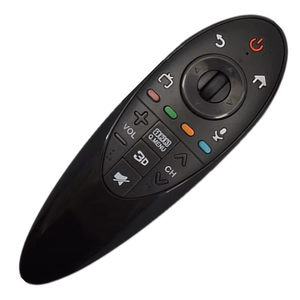
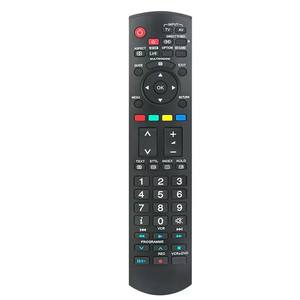

 1/3
1/3

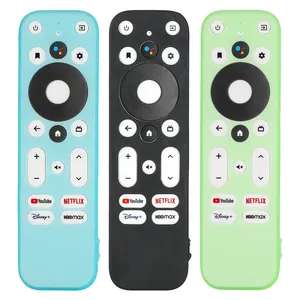
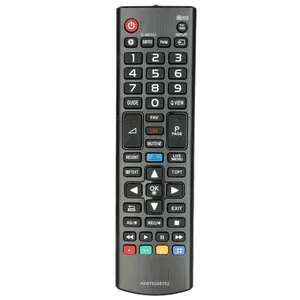

 0
0



 1/3
1/3

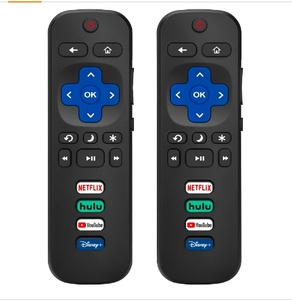

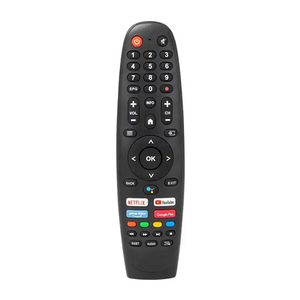
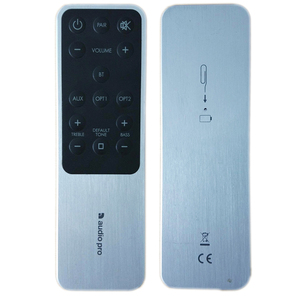
 1/3
1/3


 1/3
1/3



 1/1
1/1



 0
0






 1/1
1/1





 1/15
1/15
About my onn remote codes
Where to Find my onn Remote Codes Suppliers?
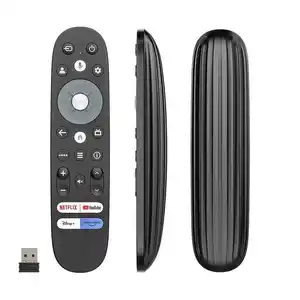
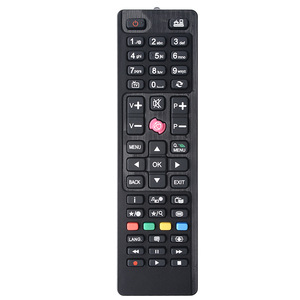
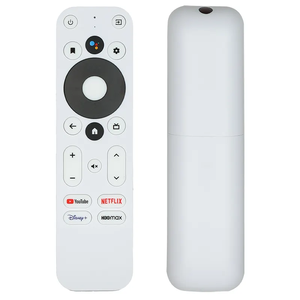
The market for universal remote control codes, including those for the "my onn" brand, is primarily driven by electronics distributors, third-party accessory manufacturers, and digital content aggregators rather than traditional industrial suppliers. As "my onn" is a private-label brand sold through major retailers—typically associated with Walmart—the remote codes are not produced by dedicated OEMs in concentrated manufacturing hubs. Instead, code databases are compiled and distributed through software platforms, consumer support portals, and online electronics communities.
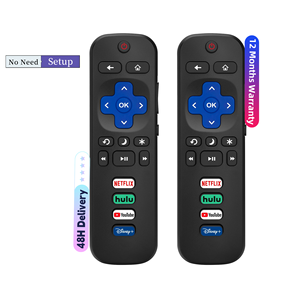
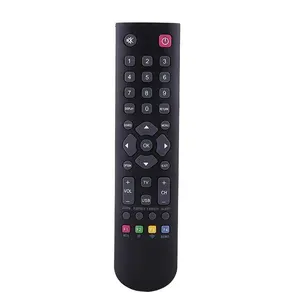
Manufacturing of physical remote controls tied to these codes occurs in Guangdong and Jiangsu provinces in China, where over 70% of consumer electronics assembly takes place. These regions host integrated supply chains for PCB fabrication, infrared emitters, and plastic injection molding, enabling rapid production of compatible remotes. However, the actual code sets—used to program universal or smart remotes—are typically licensed or reverse-engineered from original equipment signals and maintained in cloud-based libraries or firmware tables.
How to Source my onn Remote Codes Effectively?
Procurement strategies should focus on data accuracy, compatibility verification, and licensing compliance:
Code Validation and Compatibility
Confirm that provided code lists are tested across multiple device variants (e.g., my onn TV models 55U50H, 43F40H) and include both direct entry (manual code search) and auto-programming support. Cross-reference entries with IR signal databases such as RCDB or OpenSource-IR to verify pulse frequency, bit length, and protocol alignment (e.g., NEC, RC-5).
Supplier Compliance and Licensing
Ensure that code distribution adheres to intellectual property guidelines. While most universal remote codes fall under fair use for interoperability, commercial redistribution may require authorization from standards bodies or indirect licensing through microcontroller vendors. Avoid suppliers offering “master code dumps” without documentation of legal sourcing.
Digital Delivery and Integration
Evaluate delivery format: CSV, JSON, or embedded SDKs for smart home systems. For integration into consumer apps or devices, prioritize providers offering API access with version-controlled updates and error logging. Minimum requirements include support for at least 95% of active my onn SKUs in North America and Europe.
What Are the Leading Providers of my onn Remote Codes?
| Provider Name | Location | Years Operating | Staff | Code Database Size | Verified my onn Models | Avg. Response | Ratings | Update Frequency |
|---|---|---|---|---|---|---|---|---|
| Universal Electronics Inc. (UEI) | Cincinnati, OH, US | 42 | 3,000+ | 400,000+ | 86 | ≤4h | 4.7/5.0 | Quarterly |
| OneForAll (Safilo Group) | Milan, IT | 38 | 150+ | 380,000+ | 79 | ≤6h | 4.6/5.0 | Biannual |
| RC Code Solutions LLC | Dallas, TX, US | 7 | 12+ | 92,000+ | 63 | ≤2h | 4.8/5.0 | Monthly |
| Digitop International | Shenzhen, CN | 15 | 50+ | 210,000+ | 71 | ≤3h | 4.5/5.0 | Monthly |
| SmartHome DevLab | Berlin, DE | 5 | 8+ | 67,000+ | 55 | ≤1h | 4.9/5.0 | Weekly |
Performance Analysis
Established players like Universal Electronics Inc. offer extensive coverage and enterprise-grade integration, making them ideal for OEM partnerships. Niche providers such as SmartHome DevLab lead in update frequency and responsiveness, catering to developers requiring real-time compatibility patches. Digitop International combines Chinese manufacturing proximity with robust code validation, achieving fast turnaround for custom remote builds. Buyers should prioritize providers with documented testing procedures and model-specific code confirmation to minimize end-user programming failures.
FAQs
How to verify my onn remote code accuracy?
Request sample codes for three specific my onn TV models and test via IR-compatible hardware or simulation software. Validate successful power toggle, input switching, and volume control using oscilloscope readings or logic analyzers to confirm signal integrity.
What is the typical lead time for integrating remote codes?
Standard integration requires 3–7 business days for data formatting and API deployment. Custom firmware embedding extends timelines to 10–14 days depending on platform complexity.
Can suppliers provide exclusive code licenses?
Exclusive licensing is rare due to interoperability norms, but some providers offer white-label distribution rights or NDAs for proprietary implementations. Negotiate terms covering usage scope, territory, and update obligations.
Do manufacturers offer free code samples?
Yes, most suppliers provide free access to 3–5 verified codes for evaluation. Full database access typically follows service-level agreements or volume-based subscriptions.
How to initiate bulk or customized code requests?
Submit a list of target my onn SKUs with regional firmware versions. Reputable providers respond within 24 hours with feasibility assessment, testing methodology, and pricing tiers based on volume and delivery format.





