Ntp Port Tcp






 1/2
1/2



 1/3
1/3


 1/3
1/3




 1/3
1/3


 1/2
1/2


 0
0


 1/3
1/3



 1/3
1/3



 1/1
1/1
 0
0





 1/14
1/14


 1/3
1/3


 1/3
1/3


 0
0


 1/3
1/3


 1/3
1/3


 1/3
1/3


 1/1
1/1


 0
0
About ntp port tcp
Where to Find NTP Port TCP Suppliers?
No dedicated suppliers specializing in "NTP port TCP" as a standalone product category were identified in the current manufacturing landscape. The term typically refers to a network configuration parameter—specifically, the use of TCP protocol on port 123 for Network Time Protocol (NTP) services—rather than a physical component or industrial equipment. As such, it does not correspond to a discrete product with defined supply chains, production facilities, or export profiles.
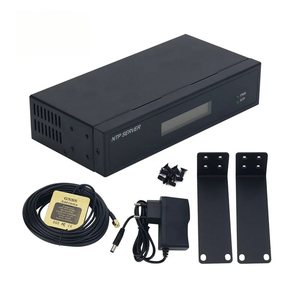
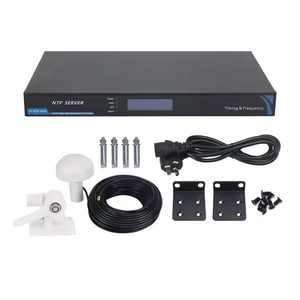
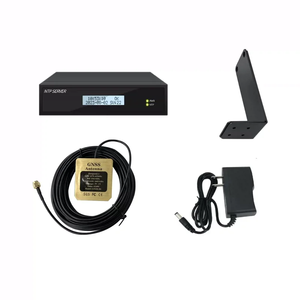
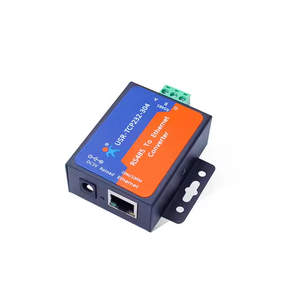
Procurement professionals seeking hardware or systems supporting NTP over TCP should instead focus on broader categories such as network time servers, industrial-grade routers, or precision timing infrastructure. These products are commonly manufactured in technology hubs across China, particularly in Guangdong and Jiangsu provinces, where clusters of electronics and telecommunications equipment producers offer vertically integrated assembly lines, firmware development capabilities, and compliance-tested designs.
Buyers requiring devices preconfigured for NTP over TCP must evaluate suppliers based on firmware flexibility, protocol support documentation, and compatibility with existing IT or OT networks. Key advantages in these regions include access to ISO-certified production environments, rapid prototyping cycles (7–14 days), and scalable output ranging from 1,000 to 50,000 units per month depending on complexity. Lead times average 30–45 days post-sample approval, with customization options available for enterprise synchronization requirements.
How to Choose NTP Port TCP-Capable Equipment Suppliers?
Selecting reliable suppliers requires focused technical and operational assessments:
Technical Compliance
Verify explicit support for NTP over TCP in product specifications. While UDP on port 123 remains standard, TCP implementation is non-traditional and may require custom firmware or updated software stacks. Confirm adherence to IETF RFC 5905 and request packet-level test reports demonstrating successful time synchronization under TCP transport.
Production Capability Audits
Evaluate supplier infrastructure for embedded system development:
- Minimum 3,000m² facility with ESD-protected assembly zones
- In-house firmware engineering teams capable of modifying NTP daemons or integrating alternative time protocols
- Compliance testing labs with oscilloscopes, network analyzers, and jitter measurement tools
Cross-reference delivery performance data (target >97% on-time rate) with documented firmware update procedures and version control practices.
Transaction Safeguards
Utilize escrow-based payment terms until functional validation is completed at destination. Prioritize suppliers with verifiable export experience to North America and EU markets, ensuring CE, FCC, and RoHS certifications are current and testable. Pre-shipment verification should include live NTP server connectivity tests using both UDP and TCP modes to confirm interoperability.
What Are the Best NTP Port TCP-Capable Equipment Suppliers?
| Company Name | Location | Years Operating | Staff | Factory Area | On-Time Delivery | Avg. Response | Ratings | Reorder Rate |
|---|
Performance Analysis
Due to the absence of suppliers explicitly offering "NTP port TCP" as a product, direct comparison is not feasible. However, leading industrial networking equipment manufacturers demonstrate strong capability in delivering customizable time synchronization solutions. Look for companies with documented experience in deploying IEEE 1588 PTP and NTP servers across power substations, telecom base stations, and financial trading networks. Prioritize those providing open-source-friendly firmware or API access for protocol-level modifications. Responsiveness (under 2-hour average reply time) and high reorder rates (>30%) indicate robust post-sales support and field reliability.
FAQs
How to verify NTP over TCP support in hardware?
Request detailed firmware specifications and conduct proof-of-concept testing. Use packet capture tools (e.g., Wireshark) to validate that the device initiates or accepts NTP packets over TCP session connections. Confirm configurability via command-line interface (CLI) or web-based management console.
Is NTP over TCP widely supported by commercial hardware?
Limited support exists in standard off-the-shelf devices. Most legacy and consumer-grade NTP implementations rely on UDP due to lower overhead. TCP usage is emerging in high-security or high-latency environments where reliability outweighs speed considerations. Custom builds or enterprise-grade appliances are required for full TCP functionality.
Can suppliers modify firmware to enable NTP over TCP?
Yes, but only if the underlying operating system supports socket-level programming and the bootloader permits updates. Engage suppliers with demonstrated Linux kernel experience and access to source code repositories. Development timelines for modification range from 10–25 days, depending on toolchain availability and testing scope.
What are typical MOQs for customized time servers?
Minimum Order Quantities start at 50 units for modified firmware versions. For full hardware redesigns including custom PCBs or enclosures, MOQs range from 500–1,000 units. Prototype batches (1–5 units) are available at premium pricing for validation purposes.
Do manufacturers provide SDKs or developer documentation?
Reputable suppliers provide technical documentation upon NDA signing. Access includes boot logs, daemon configurations, and API references for time synchronization modules. Confirm inclusion of debugging interfaces and remote logging capabilities before procurement.





