Number System Computer




 1/3
1/3




 1/19
1/19









 1/15
1/15


 1/3
1/3


 0
0



 1/3
1/3





 0
0



 1/3
1/3


 1/3
1/3


 0
0


 1/3
1/3


 1/1
1/1






 1/3
1/3




 1/3
1/3



 1/2
1/2


 1/3
1/3


 1/3
1/3


 1/3
1/3
About number system computer
Where to Find Number System Computer Suppliers?
No verified suppliers for number system computers are currently available in major industrial manufacturing hubs. Unlike standardized machinery categories, the term "number system computer" does not align with established product classifications in global electronics or computing manufacturing sectors. This may indicate a niche technical requirement, potential misclassification, or absence of dedicated production lines targeting this specific designation.
In conventional electronics manufacturing—particularly in East Asia’s dominant clusters such as Shenzhen (China), Seoul (South Korea), and Tokyo (Japan)—computing devices are typically categorized by function: embedded systems, industrial control units, binary processing modules, or educational computing kits. These regions host vertically integrated supply chains capable of producing specialized computing hardware, including custom logic boards and numerical processing units, with lead times ranging from 30–60 days depending on complexity and order volume.
How to Choose Number System Computer Suppliers?
Given the lack of identifiable suppliers under this product keyword, buyers must refine their search parameters based on technical intent. The following verification protocols apply to sourcing entities capable of fulfilling specialized computing hardware requirements:
Technical Specification Clarity
Define whether the requirement refers to a binary/decimal/hexadecimal conversion system, an educational teaching tool, an industrial numbering controller, or a custom firmware-based computing module. Request suppliers to provide block diagrams, processor architecture details (e.g., ARM, x86, or FPGA-based), and supported number base operations before engagement.
Manufacturing Capability Assessment
Evaluate potential partners using objective benchmarks:
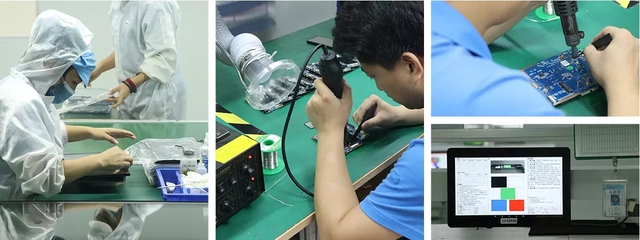
- Minimum 2,000m² cleanroom-equipped facility for PCB assembly and testing
- In-house SMT (Surface Mount Technology) lines with placement accuracy ≤±0.05mm
- Engineering team comprising at least 15% of total staff focused on firmware and low-level system design
Confirm compatibility with required number representation standards (IEEE 754 for floating-point, BCD encoding, etc.) through documented test reports.
Quality and Compliance Verification
Require ISO 9001 certification for quality management and ISO 13485 if intended for medical or regulated environments. For export to EU markets, confirm RoHS and CE compliance; for North America, ensure FCC Part 15 Class B adherence. Request full bill of materials (BOM) transparency and batch traceability protocols to mitigate component-level risks.
What Are the Best Number System Computer Suppliers?
At this time, no suppliers are listed or verifiable under the exact product category “number system computer.” The absence of supplier data suggests that procurement efforts should shift toward engineering-driven OEM/ODM manufacturers specializing in embedded computing systems, programmable logic controllers (PLCs), or educational technology hardware.
Performance Analysis
Without active supplier entries, evaluation shifts to capability mapping. Buyers should target firms with demonstrated experience in developing firmware for numerical computation, real-time processing, or digital logic training platforms. Prioritize companies offering reference designs, SDKs (Software Development Kits), and configurable I/O interfaces. Engage through technical RFQs (Request for Quotation) that include functional prototypes or simulation requirements to validate competence prior to mass production commitments.
FAQs
How to verify number system computer supplier reliability?
Since no direct suppliers exist under this classification, reliability assessment begins with redefining the technical scope. Cross-check any candidate manufacturer’s certifications with issuing bodies and request evidence of past projects involving numerical data processing, base conversion algorithms, or digital system education tools. Conduct remote audits via live video walkthroughs of production and testing stations.
What is the average sampling timeline?
For custom-built computing modules matching "number system" functionality, expect sample development cycles of 25–45 days. This includes schematic review, PCB layout, component sourcing, and firmware integration. Add 7–14 days for international air shipping. Complex configurations requiring multi-layer boards or certified components may extend timelines beyond 60 days.
Can suppliers ship computing hardware worldwide?
Yes, qualified electronics manufacturers support global distribution. Confirm Incoterms (FOB, CIF, DDP) during negotiation. Ensure compliance with destination regulations regarding electronic imports, electromagnetic compatibility (EMC), and battery safety (if applicable). Sea freight is optimal for orders exceeding 50 units; air freight suits urgent prototype deliveries.
Do manufacturers provide free samples?
Free samples are uncommon for custom-designed computing systems. Most suppliers charge a non-recurring engineering (NRE) fee covering initial design and setup costs. Sample fees may be waived upon confirmation of production orders exceeding predefined quantities (typically 100+ units).
How to initiate customization requests?
Submit detailed technical documentation including input/output specifications, desired number bases (binary, octal, decimal, hexadecimal), display interface type (LCD, LED, serial output), power requirements, and environmental operating conditions. Reputable developers will respond with feasibility assessments, schematics, and estimated development milestones within 5–7 business days.





