Open Source Bi Platform





















 CN
CN












































About open source bi platform
Where to Source Open Source BI Platform Providers?
The global supply base for open source business intelligence (BI) platform development is concentrated in technology-forward regions of Southeast Asia and China, with Vietnam and Guangdong Province emerging as key hubs. These regions combine cost-efficient software engineering talent with mature digital infrastructure, enabling scalable delivery of custom BI solutions. Vietnam’s Hanoi and Ho Chi Minh City host a growing cluster of IT outsourcing firms specializing in enterprise software integration, leveraging bilingual technical teams to serve European and North American markets.
Chinese suppliers in Shenzhen and Shanghai dominate hardware-integrated BI system development, particularly for edge computing and IoT-enabled analytics platforms. Their proximity to semiconductor and electronics manufacturing ecosystems allows seamless integration of open source software with dedicated hardware stacks. This co-location reduces time-to-market by 20–30% for embedded analytics applications. Buyers benefit from vertically integrated service models—ranging from UI/UX design to cloud deployment—supported by agile development frameworks and modular codebases compliant with Apache 2.0, MIT, and GPL licensing standards.
How to Evaluate Open Source BI Platform Suppliers?
Adopt the following verification criteria when assessing potential partners:
Technical Expertise Validation
Confirm demonstrated experience in core BI technologies: data warehousing (e.g., PostgreSQL, MySQL), ETL pipelines (Apache Airflow, Talend), visualization libraries (D3.js, Chart.js), and OLAP engines (Apache Kylin, Mondrian). Review GitHub repositories or public contributions to open source projects such as Metabase, Superset, or Redash. For enterprise deployments, verify expertise in role-based access control, SSO integration, and RESTful API development.
Development & Delivery Capacity
Assess operational scale through objective metrics:
- Minimum team size of 15 developers with documented specialization in full-stack analytics systems
- Proven track record of delivering projects valued at $5,000+ (aligned with observed pricing tiers)
- In-house project management using Jira, Trello, or equivalent tools with biweekly sprint cycles
Cross-reference on-time delivery rates (>90%) and response times (≤5 hours) as proxies for workflow discipline and client communication rigor.
Transaction Security & IP Protection
Require contractual assurance of intellectual property transfer upon completion. Utilize milestone-based payment structures protected by escrow mechanisms where applicable. Prioritize suppliers with documented compliance in data privacy regulations (GDPR, CCPA) when handling sensitive datasets. Conduct code audits pre-deployment to ensure absence of proprietary lock-ins or license violations.
What Are the Leading Open Source BI Platform Suppliers?
| Company Name | Location | Main Products | Service Scope | Project Value Range | On-Time Delivery | Avg. Response | Online Revenue | Reorder Rate |
|---|---|---|---|---|---|---|---|---|
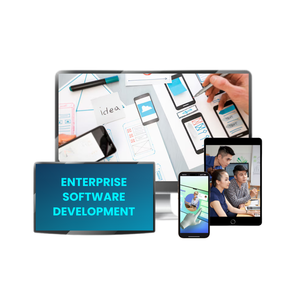
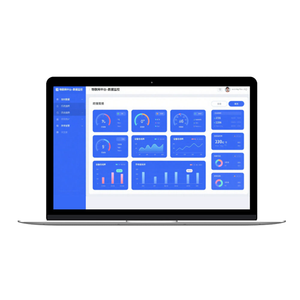
| STEPMEDIA SOFTWARE VIET NAM COMPANY LIMITED | Vietnam | Software | Custom BI platform development, web portals, enterprise management systems | $5,000–$50,000; up to $50,000 (one-off enterprise solution) | Not specified | ≤2h | Not disclosed | Not disclosed |
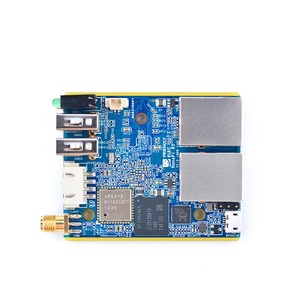
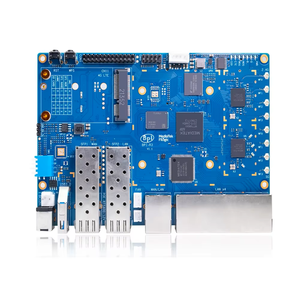
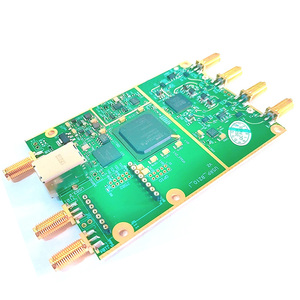
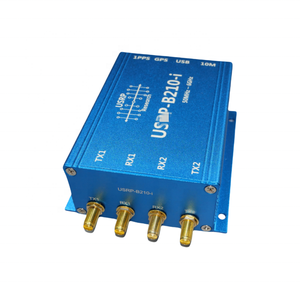
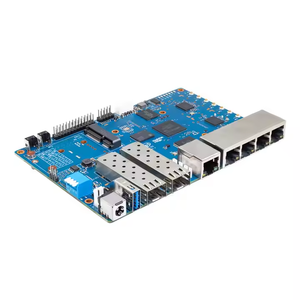
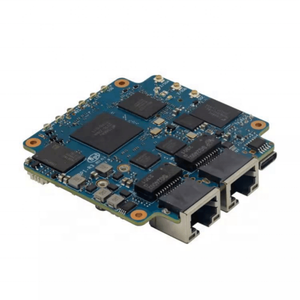
| Shenzhen Mingweida Electronics Co., Ltd. | Guangdong, CN | Development Boards, Electronic Modules | Hardware-centric open source systems (SDR, robotics) | $65–$1,064 per unit | 97% | ≤2h | US $20,000+ | <15% |
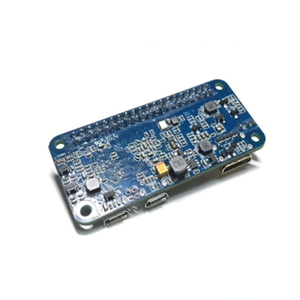
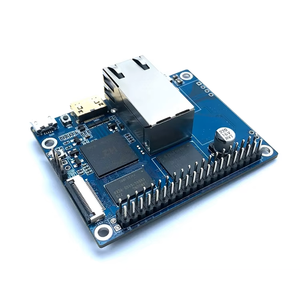
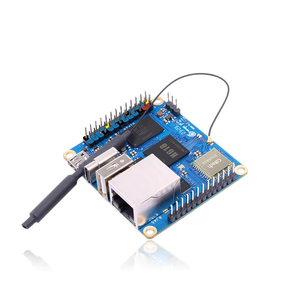
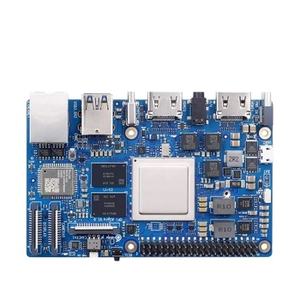
| Shanghai Xuanxin Technology Co., Ltd. | Shanghai, CN | Development Boards, Maker Kits | Open source single-board computers for embedded BI applications | $17–$574 per unit | 90–91% | ≤5h | US $30,000–$80,000+ | 18% |
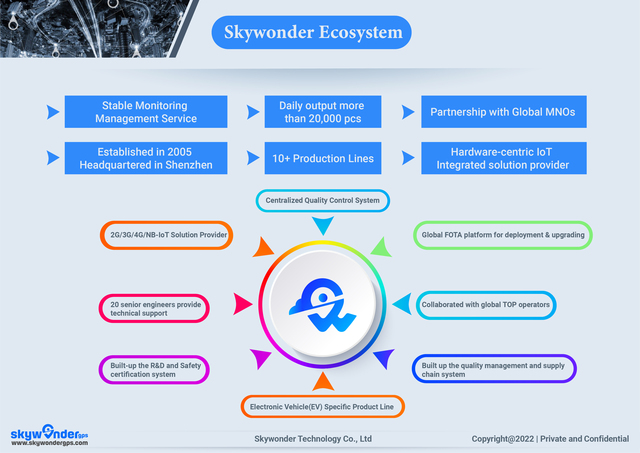
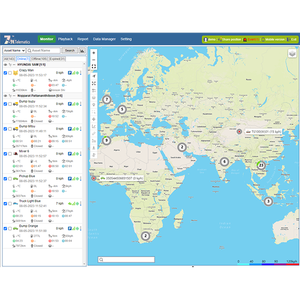
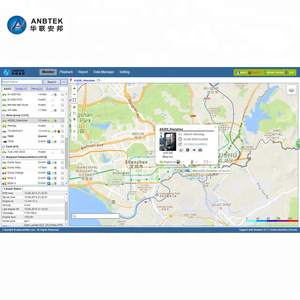
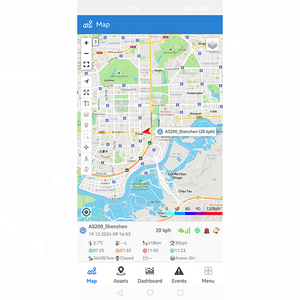
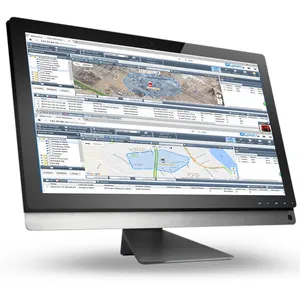
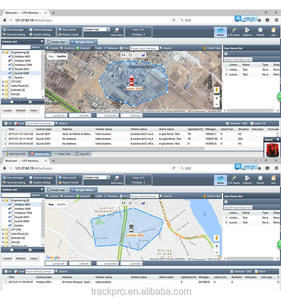
| Huizhou Skywonder Technology Co., Ltd. | Guangdong, CN | GPS Trackers, Navigation Systems | White-label software for telematics and fleet analytics | $2 per unit (minimum 2 units) | 93% | ≤3h | US $10,000+ | 24% |
Performance Analysis
STEPMEDIA stands out for high-value custom software development, offering comprehensive BI platform builds starting at $5,000 with rapid response times. Shenzhen Mingweida and Shanghai Xuanxin focus on hardware-enabling technologies, providing open source-compatible development boards ideal for deploying localized analytics at the edge. Huizhou Skywonder offers ultra-low-cost entry points for white-label tracking platforms with strong reorder performance (24%), indicating customer satisfaction in niche verticals like logistics monitoring. While formal certifications are not listed, consistent on-time delivery (>90%) across multiple suppliers reflects reliable execution capability. For full-stack software projects, prioritize vendors with documented customization workflows and transparent version control practices.
FAQs
How to verify open source BI platform supplier credibility?
Request case studies with anonymized client data, access to public code repositories, and references from past clients. Validate technical claims through structured discovery calls focusing on architecture design, database optimization, and scalability planning. Use third-party transaction protection programs to mitigate financial risk during initial engagements.
What is the typical development timeline for a custom BI platform?
Standard implementations require 8–12 weeks from requirement gathering to MVP deployment. Complex integrations involving real-time streaming (Kafka, Flink) or AI-driven forecasting extend timelines to 16–20 weeks. Add 2–3 weeks for user training and documentation handover.
Can suppliers integrate open source BI tools with existing ERP or CRM systems?
Yes, most established providers offer connectors for SAP, Oracle, Salesforce, and Microsoft Dynamics via ODBC, JDBC, or API-based synchronization. Confirm prior experience with your specific stack and request demonstration environments pre-contract.
Do developers provide post-deployment support?
Support policies vary. Some include 30–90 days of warranty-level maintenance; others offer retainer-based SLAs covering bug fixes, updates, and performance tuning. Clarify terms for ongoing service, hosting responsibility, and upgrade paths before finalizing agreements.
What level of customization is available?
Full customization is standard—from branding and dashboard layouts to backend data modeling and security protocols. Suppliers typically allow adjustments to color schemes, logos, report templates, and access hierarchies. For deep architectural changes, expect additional effort estimates and extended testing phases.





