Open Source Resource Management

 CN
CN















 CN
CN




















 CN
CN




































About open source resource management
Where to Find Open Source Resource Management Software Suppliers?
The global market for open source resource management software is increasingly concentrated among specialized development firms in China, particularly in industrial and technology hubs such as Shanghai, Shenzhen, and Jiangsu. These regions host vertically integrated software development ecosystems supported by mature IT infrastructure, access to skilled engineering talent, and proximity to hardware integration partners. Shanghai and Shenzhen stand out for their high concentration of agile development teams capable of delivering modular enterprise solutions across HR, ERP, logistics, and asset tracking domains.
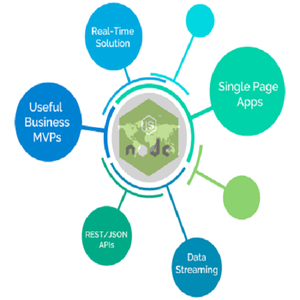
Suppliers in these clusters leverage standardized development frameworks—such as React, Node.js, and Electron—to accelerate deployment of cross-platform desktop and web applications. This enables rapid customization while maintaining compatibility with open source licensing models like GPL or MIT. Buyers benefit from reduced development cycles (typically 4–8 weeks for MVP delivery), scalable team augmentation, and integration-ready architectures. Cost efficiencies are further enhanced by localized technical labor pools, where hourly development rates remain 40–60% lower than in North America or Western Europe.
How to Choose Open Source Resource Management Software Suppliers?
Procurement decisions should be guided by structured evaluation criteria focused on technical capability, responsiveness, and delivery reliability:
Development Expertise & Technical Scope
Verify the supplier’s experience in building modular systems that integrate core business functions—including inventory, human resources, procurement, and warehouse operations. Preferred vendors demonstrate proficiency in full-stack development and offer solutions compatible with cloud deployment, API integrations, and third-party service extensions. Cross-platform support (Windows, macOS, Linux) and use of open standards enhance long-term maintainability.
Operational Performance Indicators
Assess supplier performance using measurable metrics:
- On-time delivery rate ≥97% indicates reliable project management
- Average response time ≤2 hours reflects strong client engagement capacity
- Reorder rate above 40% signals customer satisfaction and product durability
- Evidence of sustained online revenue (e.g., US $20,000+) suggests market validation
Customization & Transaction Safeguards
Confirm the supplier's ability to deliver tailored functionality through documented case studies or prototype demonstrations. Require milestone-based payment structures protected by escrow mechanisms to mitigate risk during development. Code ownership, intellectual property rights, and post-deployment support terms must be clearly defined in contractual agreements. Prioritize suppliers who provide source code documentation and version control access to ensure future extensibility.
What Are the Best Open Source Resource Management Software Suppliers?
| Company Name | Location | Main Products | Min. Order Value | On-Time Delivery | Avg. Response | Reorder Rate | Online Revenue |
|---|---|---|---|---|---|---|---|
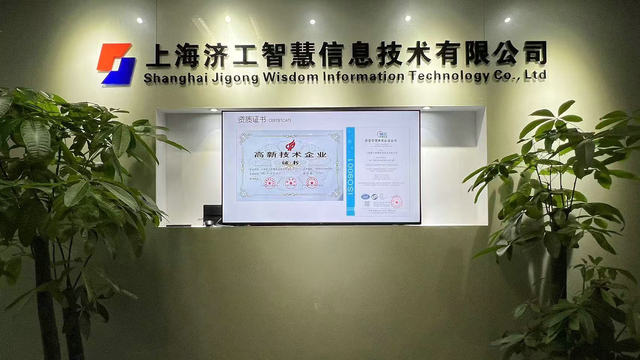
| Shanghai Jigong Intelligent Information Technology Co., Ltd. | Shanghai, CN | ERP, Manufacturing, Inventory | $1,000 | 100% | ≤9h | - | - |
| KAEM SOFTWARES PRIVATE LIMITED | India | Asset, HR, Invoice, ERP | $95 (2 units) | - | ≤2h | - | US $8,000+ |
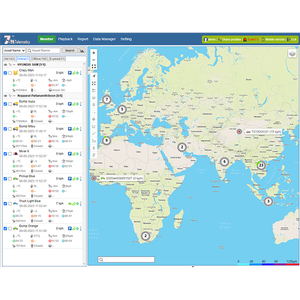
| Shenzhen ANB Technology Co., Ltd. | Shenzhen, CN | GPS Tracking, IoT, Fleet | $1,300 | 100% | ≤2h | 42% | US $20,000+ |
| Taizhou Le Yi Software Co., Ltd. | Zhejiang, CN | OA, ERP, Warehouse, Construction | $2,000 | 100% | ≤11h | - | - |
| Koma Technology (Jiangsu) Co., Ltd. | Jiangsu, CN | Web Systems, LMS, Desktop Apps | $4,000 | 100% | ≤2h | - | - |
Performance Analysis
Chinese suppliers dominate delivery reliability, with four out of five achieving 100% on-time fulfillment. Shenzhen ANB Technology distinguishes itself with a verified 42% reorder rate and sub-2-hour response time, indicating strong client retention and operational agility. KAEM SOFTWARES offers the lowest entry point at $95 per unit, making it suitable for small-scale deployments, though its lack of public delivery data warrants additional due diligence. Koma Technology and Taizhou Le Yi focus on higher-value定制 projects ($4,000+ minimum), suggesting specialization in complex enterprise integrations. Shanghai Jigong provides broad functional coverage but slower average response times compared to peers.
FAQs
How to verify open source resource management software supplier reliability?
Validate technical claims through code reviews, GitHub repository audits, and live demos. Request references from past clients in similar industry verticals. Confirm adherence to software development best practices, including version control, automated testing, and documentation standards.
What is the typical development timeline for custom solutions?
Standard implementations require 4–6 weeks; complex ERP or real-time tracking systems may take 8–12 weeks. Milestone progress should be tracked via sprint reports or CI/CD pipeline access. Prototypes are typically delivered within 14 days of project initiation.
Can suppliers support post-deployment maintenance and updates?
Yes, most established vendors offer ongoing support packages, including bug fixes, feature upgrades, and server maintenance. Service-level agreements (SLAs) should specify response windows, uptime guarantees, and patch release frequency.
Do suppliers provide source code and licensing details?
Reputable providers deliver full source code under agreed open source or proprietary licenses. Ensure licensing permits internal modification, redistribution (if needed), and freedom from vendor lock-in. Clarify copyright ownership before contract finalization.
How does pricing scale with customization scope?
Pricing scales based on feature complexity, integration depth, and user count. Basic modules start at $95–$1,000; enterprise-grade systems with AI-driven analytics or IoT connectivity range from $5,000–$15,000. Volume discounts apply for multi-unit or SaaS-style licensing models.





