Opensource Wms

 CN
CN





 1/6
CN
1/6
CN


 1/2
1/2














 1/40
1/40




 CN
CN


 1/22
1/22








 1/38
1/38



 CN
CN


 1/15
1/15












 1/39
1/39
 CN
CN






About opensource wms
Where to Find Open Source WMS Suppliers?
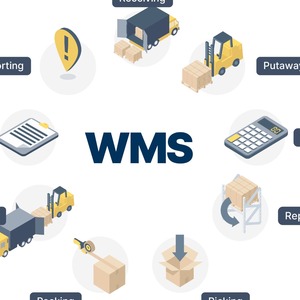
The global open source warehouse management system (WMS) development landscape is increasingly concentrated among specialized software firms in China and Southeast Asia, with key clusters in Taizhou, Shanghai, Foshan, and Ho Chi Minh City. These regions host agile development teams that combine modular coding frameworks with scalable deployment architectures, enabling rapid customization for logistics operators, manufacturers, and 3PL providers.
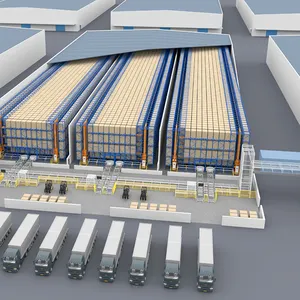
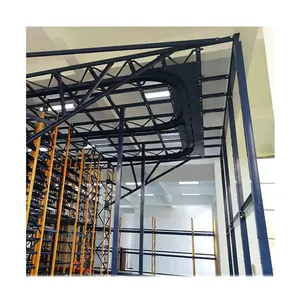
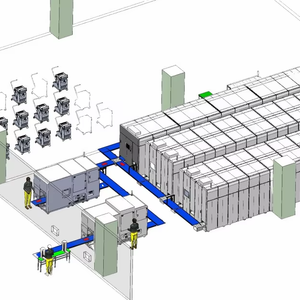
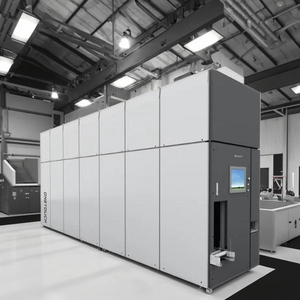
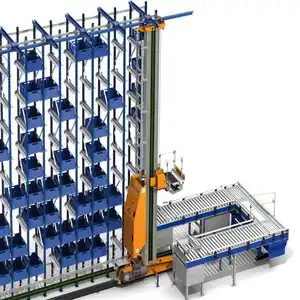
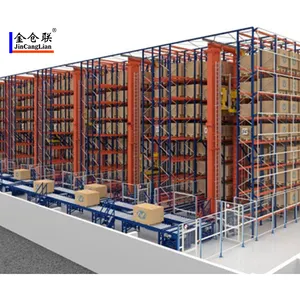
Suppliers in these hubs leverage mature open-source ecosystems such as Odoo, Apache License 2.0 frameworks, and Linux-based server environments to deliver cost-effective solutions. Proximity to industrial manufacturing zones allows seamless integration between WMS platforms and automated storage systems like AS/RS and conveyor networks. Buyers benefit from tightly integrated supply chains where software developers, hardware integrators, and logistics consultants operate within shared innovation corridors, reducing project timelines by up to 40% compared to Western-only vendors.
How to Choose Open Source WMS Suppliers?
Selecting a reliable supplier requires rigorous evaluation across technical, operational, and transactional dimensions:
Technical Expertise Validation
Confirm demonstrated experience in deploying open-source WMS platforms such as Metasfresh, PartKeepr, or custom forks of ERPNext. Review GitHub repositories or code samples upon request. Prioritize suppliers offering API-first design, cloud-native deployment (SaaS), and compatibility with IoT devices including barcode scanners and RFID gateways.
Development Capacity Assessment
Evaluate core competencies through objective indicators:
- Minimum team size of 10+ full-stack developers focused on logistics software
- Proven track record in integrating WMS with ERP, TMS, or MES systems
- Support for multi-warehouse, multi-currency, and role-based access control (RBAC)
Cross-reference response times (target ≤3 hours) with on-time delivery performance (ideal ≥95%) to assess operational reliability.
Procurement Risk Mitigation
Utilize milestone-based payment structures tied to deliverables such as requirement analysis, UAT completion, and post-deployment support. Verify intellectual property rights transfer agreements for customized builds. Conduct live demos or sandbox testing before contract finalization. Ensure data security compliance via SSL encryption, regular backups, and GDPR/CCPA-ready configurations where applicable.
What Are the Best Open Source WMS Suppliers?
| Company Name | Location | Main Products | Min. Order Value | On-Time Delivery | Avg. Response | Reorder Rate | Verified Status |
|---|---|---|---|---|---|---|---|
| Taizhou Le Yi Software Co., Ltd. | Taizhou, CN | Warehouse Management System, ERP Integration | $999 | 100% | ≤10h | - | Trusted Service Provider |
| Shanghai Jigong Intelligent Information Technology Co., Ltd. | Shanghai, CN | WMS, Logistics Software Development | $1,000 | 100% | ≤11h | - | Multispecialty Supplier |
| CRISTA TECHNOLOGIES LLP | Karnataka, IN | Open Source E-commerce & WMS Design | $100 | 75% | ≤1h | - | - |
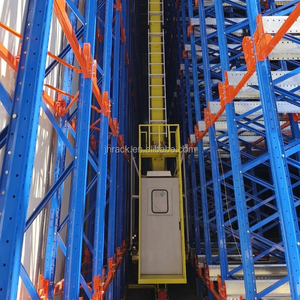
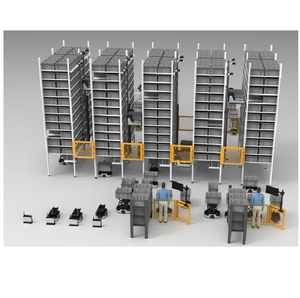
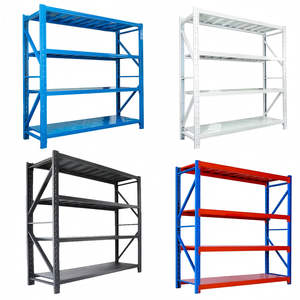
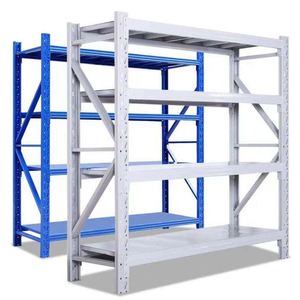
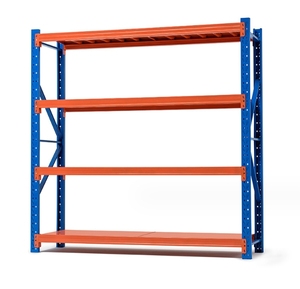
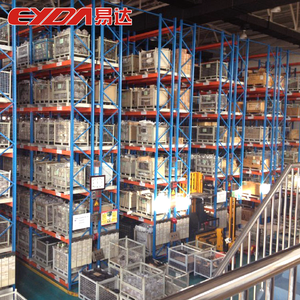
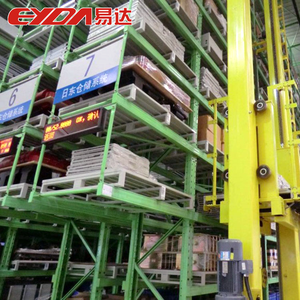
| Foshan Kingshelving Technology Co., Ltd. | Foshan, CN | AS/RS Automation, Storage Systems | $5,394 | 100% | ≤3h | - | - |
| STEPMEDIA SOFTWARE VIET NAM COMPANY LIMITED | Hanoi, VN | AI-Powered WMS, SaaS Platforms | $5,000 | - | ≤2h | - | - |
Performance Analysis
Chinese suppliers dominate delivery consistency, with three out of five achieving 100% on-time fulfillment. Taizhou Le Yi and Shanghai Jigong offer competitive entry pricing ($999–$1,000 minimum), making them suitable for SMEs seeking budget-conscious implementations. CRISTA TECHNOLOGIES stands out for fastest average response time (≤1 hour), though its lower on-time delivery rate (75%) suggests potential execution risks. Foshan Kingshelving integrates software with physical automation infrastructure, ideal for buyers investing in smart warehouses. STEPMEDIA targets high-end deployments with AI-enhanced inventory forecasting and SaaS models, albeit at higher investment thresholds ($5,000+). For complex enterprise needs, prioritize suppliers offering documented UAT protocols and SLA-backed support cycles.
FAQs
How to verify open source WMS supplier credibility?
Request access to past project case studies, client references, and version-controlled codebases. Validate claims about "open source" architecture—true open-source solutions should allow inspection, modification, and redistribution under recognized licenses. Use third-party escrow services for source code delivery in custom development contracts.
What is the typical implementation timeline?
Standard deployments range from 4 to 8 weeks depending on integration scope. Basic standalone WMS setups take 2–3 weeks. Full ERP-integrated systems with mobile scanning and real-time reporting require 6–10 weeks. Add 2–3 weeks if hardware provisioning (e.g., tablets, printers) is included.
Can open source WMS be customized?
Yes, most suppliers offer extensive customization including UI branding, workflow automation, language localization, and database schema adjustments. Developers typically use Python, Java, or PHP stacks with PostgreSQL or MySQL backends. Custom modules for lot tracking, expiry management, or pick-path optimization are commonly available.
Do suppliers provide ongoing support?
Support terms vary. Some include 3–6 months of free maintenance post-deployment. Extended support packages usually cost 15–20% of initial development fees annually. Confirm availability of bug fixes, updates, and emergency troubleshooting in service agreements.
What are common payment terms?
Typical structure includes 30% upfront, 40% upon mid-development milestone, and 30% after user acceptance testing. Higher-value projects may involve staged payments over 5–7 phases. Escrow protection is recommended for first-time engagements exceeding $5,000.





