Palm Kernel Nuts And Palm Kernel Shell





 1/2
1/2




 0
0


 1/1
1/1


 1/1
1/1


 1/3
1/3


 0
0


 1/3
1/3




 0
0


 0
0




 0
0


 1/3
1/3


 0
0


 1/1
1/1


 0
0



 1/1
1/1


 0
0



 0
0



 1/3
1/3


 0
0


 0
0
About palm kernel nuts and palm kernel shell
Overview of Palm Kernel Nuts and Palm Kernel Shells
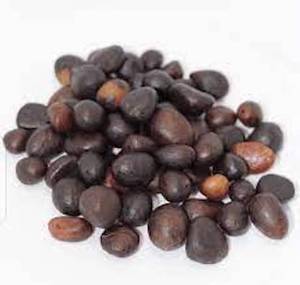
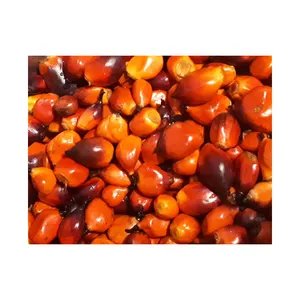
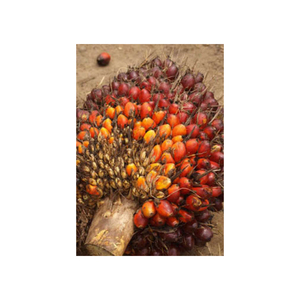
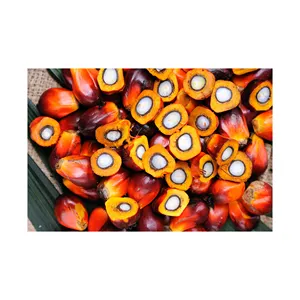
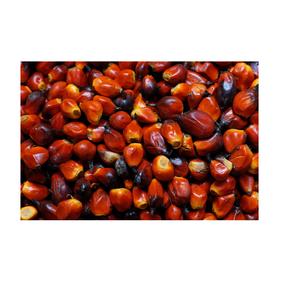
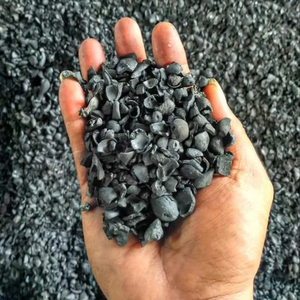
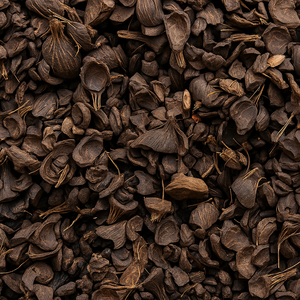
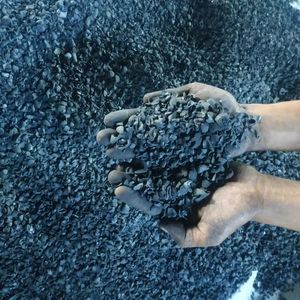
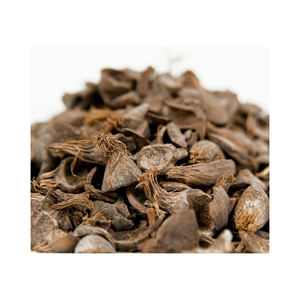
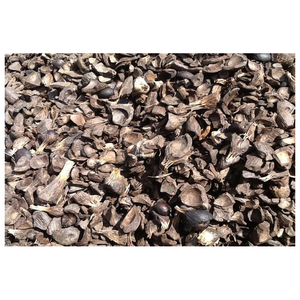
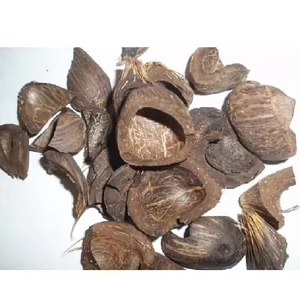
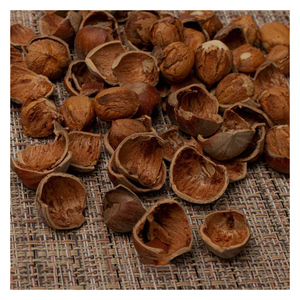
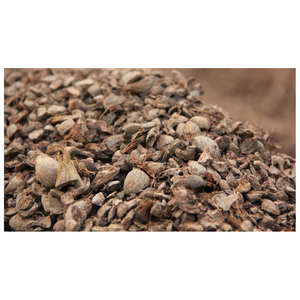
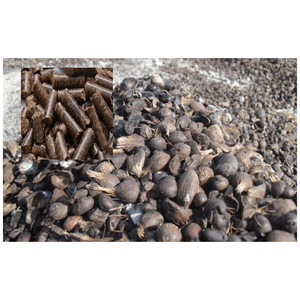
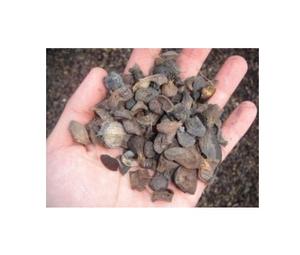
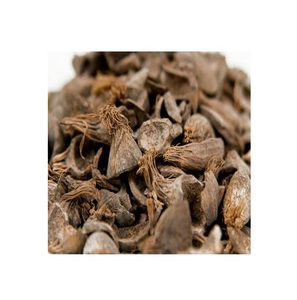
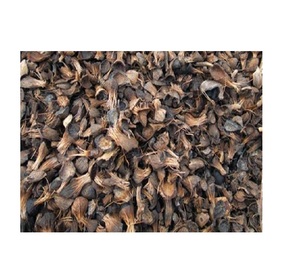
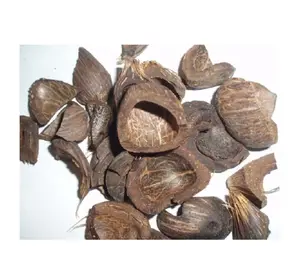
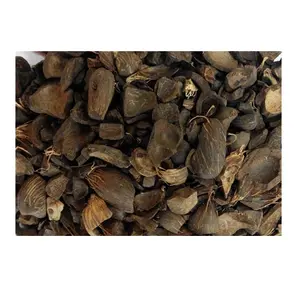
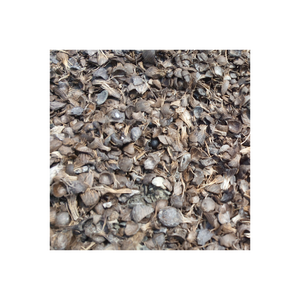
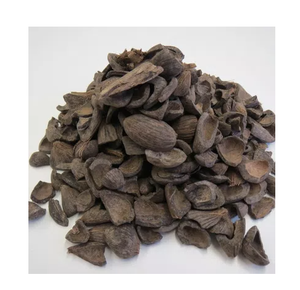
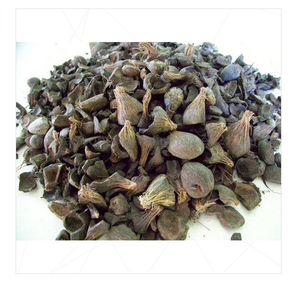
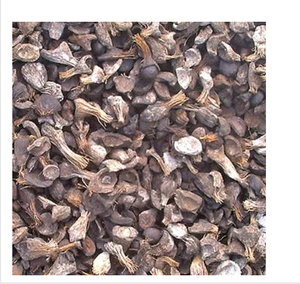
Palm kernel nuts and shells are byproducts of the palm oil production process. The palm kernel, the seed within the oil palm fruit, is primarily used to produce Palm Kernel Oil (PKO) [1]. After the oil is extracted, the remaining hard outer shell, known as the Palm Kernel Shell (PKS), becomes a valuable biomass material with numerous industrial and environmental applications [2].
Production and Processing
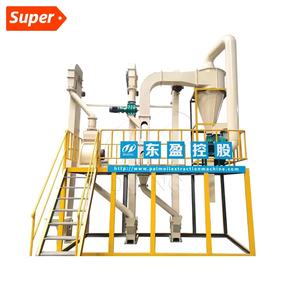
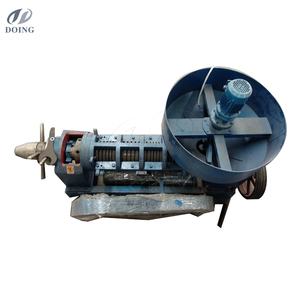
The journey from palm fruit to PKO and PKS involves several key steps [1]:
- Nut Cracking: The first stage separates the hard shell from the inner kernel using a nut cracker.
- Shell and Kernel Separation: Techniques like air classifiers or clay bath separation are used to split the shell and kernel based on density.
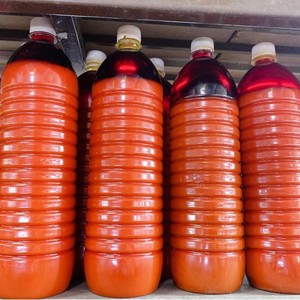
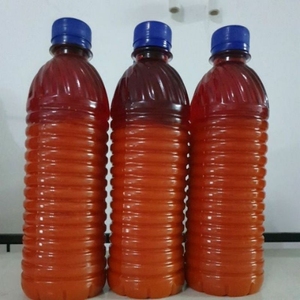
- Kernel Pressing: The clean kernels are pressed using an expeller to extract the crude PKO.
- Oil Refining: The extracted oil is refined to remove impurities for various industrial applications.
Applications and Uses
Palm Kernel Oil (PKO)
PKO is a high-value product with a high saturated fat content, making it stable and suitable for various industries [1].
| Industry | Application | Key Benefits |
|---|---|---|
| Food | Production of margarine, non-dairy creamers, and baked goods | Excellent shelf stability at room temperature [1]. |
| Cosmetics & Personal Care | Key ingredient in soaps, shampoos, and moisturizers | High moisturizing properties and creamy texture [1]. |
| Energy | Converted into biodiesel | Renewable energy source that reduces dependence on fossil fuels [1]. |
| Animal Feed | Palm Kernel Meal (PKM) | Nutrient-rich by-product used as livestock feed [1]. |
Table data sourced from [1].
Palm Kernel Shell (PKS)
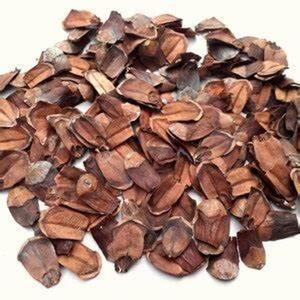
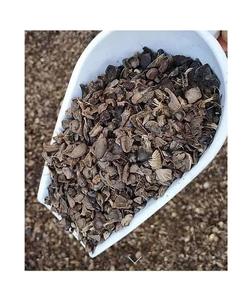
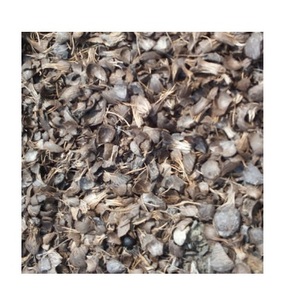
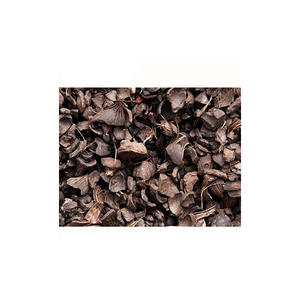
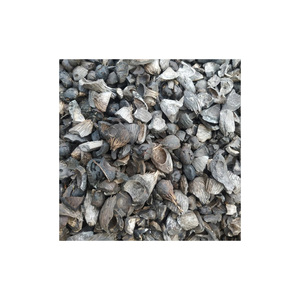
PKS is a high-density, carbon-rich material with a wide range of applications due to its high calorific value and low ash content [2].
- Energy Generation: PKS is a sustainable alternative to fossil fuels. It is used as a primary fuel in biomass power plants, industrial boilers, and cement kilns. Its net calorific value (NCV) ranges from 15 to 16 GJ/MT, making it an efficient energy source [2][4][5].
- Agriculture: In agriculture, PKS serves as an organic mulch to retain soil moisture and regulate temperature. It can also be composted to enrich soil with nutrients and improve soil structure [4].
- Industrial Applications: The unique properties of PKS make it valuable in various industrial sectors. It is processed into activated carbon for water purification and air filtration. Ground PKS can be used as an abrasive material, and it is being explored as a raw material for biodegradable plastics and eco-friendly products [4].
- Household and Other Uses: PKS is used to produce high-quality charcoal for cooking and heating. It can also be used as bedding material for livestock or in DIY projects and landscaping [4].
Market Analysis
The global markets for both palm kernel nuts and shells are dynamic, influenced by trends in energy, agriculture, and sustainability.
Global Palm Kernel Shell Market
The PKS market is experiencing significant growth as industries seek renewable and sustainable alternatives to fossil fuels. The market is projected to grow from US$ 1.86 billion in 2025 to US$ 3.12 billion by 2031, at a Compound Annual Growth Rate (CAGR) of 9.0% [5].
- Key Market Drivers: The primary driver is the need for renewable energy sources. The push for sustainability and the reduction of carbon emissions are fueling demand for biomass materials like PKS [5][7].
- Regional Outlook: Asia-Pacific is the fastest-growing region, driven by countries like China and India. Europe is also experiencing steady growth due to green transition policies [7]. Indonesia and Malaysia are major sources of PKS, producing around 6.5 million metric tons annually [2].
- Key Players: The market includes a mix of established multinational corporations and regional players. Key companies include Iwatani Corporation, NISSIN BIO ENERGY, and DSNG (PT Dharma Satya Nusantara Tbk) [5].
Global Palm Kernel & Nut Market
The market for palm kernels and nuts is also significant, with Costa Rica and Thailand being the top exporters in 2023 [8].
Chart data sourced from [5].
Sustainability and ESG Considerations
Environmental, Social, and Governance (ESG) factors are increasingly shaping the palm kernel industry [7].
- Environmental: The use of PKS as a biomass fuel helps reduce waste from the palm oil industry and provides a low-emission alternative to fossil fuels, supporting a circular economy [2][7].
- Social: The cultivation and processing of palm kernels create employment opportunities in regions where palm oil is produced, contributing to local economic development [7].
- Governance: Transparency and responsible sourcing are critical for market acceptance. Adherence to standards like the Roundtable on Sustainable Palm Oil (RSPO) ensures ethical procurement and supply chain integrity, enhancing brand reputation and meeting regulatory requirements [1][7].





